Key Takeaways
- High blood pressure (hypertension) is increasingly common in people in their 20s and 30s.
- Many young adults don’t realize they have it because symptoms are often silent.
- Lifestyle habits—like diet, stress, sleep, and inactivity—are major contributors.
- Early detection and simple changes can prevent serious heart problems later.
Why High Blood Pressure in Your 30s Is a Big Deal
Most people think high blood pressure is something that happens later in life.
But according to the Centers for Disease Control and Prevention, millions of adults under 40 already have elevated blood pressure—and many don’t know it.
Even mild hypertension at age 30 can:
- damage blood vessels over time
- increase risk of heart disease and stroke
- lead to kidney problems later in life
The earlier it starts, the longer it silently affects your body.
What Counts as High Blood Pressure?
The American Heart Association defines:
- Normal: below 120/80 mm Hg
- Elevated: 120–129 / <80
- High (Stage 1): 130–139 / 80–89
- High (Stage 2): 140/90 or higher
Many young adults fall into the elevated or Stage 1 range without realizing it.
Common Causes of High Blood Pressure at 30
1. Processed and High-Sodium Diet
Fast food, packaged snacks, and restaurant meals are loaded with sodium.
Too much salt causes your body to retain water, increasing pressure in your arteries.
2. Chronic Stress
Work pressure, finances, relationships—stress is constant in your 30s.
Over time, stress hormones can:
- tighten blood vessels
- raise heart rate
- increase blood pressure
3. Lack of Physical Activity
Sitting for long hours (especially desk jobs) reduces heart efficiency.
Regular movement keeps blood vessels flexible and healthy.
4. Being Overweight or Obese
Extra weight forces your heart to work harder.
Even modest weight gain can increase blood pressure.
5. Poor Sleep
Sleeping less than 6–7 hours regularly is linked to higher blood pressure.
Sleep disorders like sleep apnea are often overlooked in younger adults.
6. High Caffeine or Energy Drink Intake
Frequent consumption of coffee or energy drinks can cause temporary spikes—and possibly long-term effects in sensitive individuals.
7. Smoking and Alcohol
- Smoking damages blood vessels instantly
- Alcohol in excess raises blood pressure over time
8. Family History (Genetics)
If high blood pressure runs in your family, your risk is higher—even if you feel healthy.
9. Hidden Medical Conditions
Sometimes, high blood pressure is caused by underlying issues such as:
- kidney disease
- thyroid disorders
- hormonal imbalances
This is called secondary hypertension.
Symptoms Young Adults Often Ignore
High blood pressure is known as the “silent killer” for a reason.
Most people have no symptoms.
But when symptoms do appear, they may include:
- headaches
- fatigue
- dizziness
- blurred vision
- nosebleeds (in severe cases)
These are often brushed off as stress or lack of sleep.
What Young Adults Commonly Miss
“I feel fine, so I must be healthy”
High blood pressure can exist for years without symptoms.
“I’m too young for heart problems”
Risk starts building early—even in your 20s.
“I exercise sometimes, so I’m okay”
Occasional workouts don’t cancel out poor diet, stress, or sleep habits.
“It’s just stress”
Chronic stress can be a major cause, not just an excuse.
How to Lower Blood Pressure in Your 30s
The good news: early hypertension is often reversible with lifestyle changes.
Start with these habits:
- Eat better: Focus on fruits, vegetables, whole grains, and lean protein
- Reduce sodium: Aim for less than 2,300 mg/day (or lower if possible)
- Exercise regularly: At least 150 minutes/week
- Manage stress: Try meditation, breathing, or time outdoors
- Sleep well: Aim for 7–9 hours nightly
- Limit alcohol and caffeine
- Quit smoking
Even small changes can lead to noticeable improvements.
When to See a Doctor
You should check your blood pressure if you:
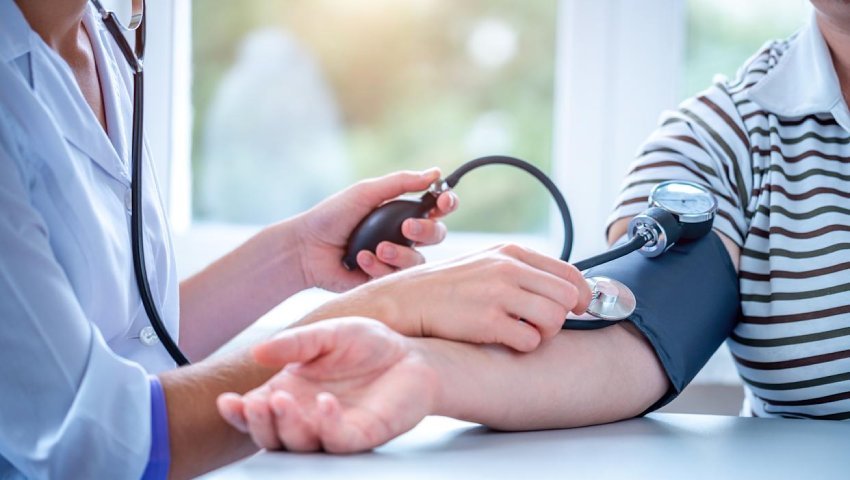
- haven’t measured it in the past year
- have a family history of hypertension
- feel frequent headaches or fatigue
- have lifestyle risk factors
Seek medical advice if your readings are consistently above 130/80.
Final Thoughts
High blood pressure at 30 is more common than most people realize—and more dangerous than it seems.
The biggest mistake young adults make? Ignoring it.
By catching it early and making simple lifestyle changes, you can protect your heart, your brain, and your long-term health.