
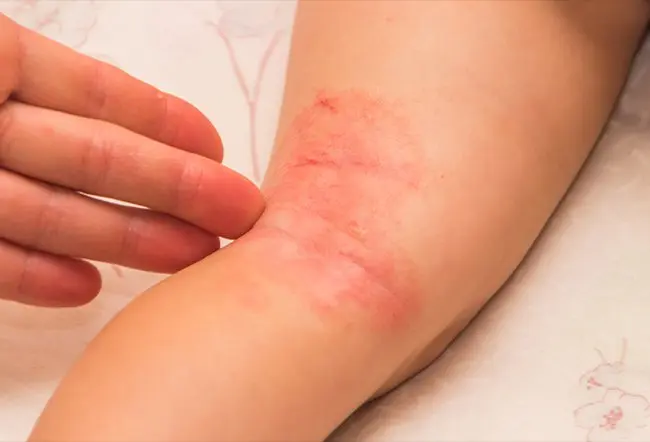
How long does inflammation last? Timeline by condition and injury type
Inflammation is a natural response that helps the body fight infections, repair damaged tissue, and recover from injuries. It can cause redness, swelling, warmth, pain, and sometimes reduced movement. While inflammation is an essential part of healing, it can become uncomfortable when symptoms persist. So, how long does inflammation last? It may settle within a…
Inflammation is a natural response that helps the body fight infections, repair damaged tissue, and recover from injuries. It can cause redness, swelling, warmth, pain, and sometimes reduced movement. While inflammation is an essential part of healing, it can become uncomfortable when symptoms persist.
So, how long does inflammation last? It may settle within a few hours or days after a minor irritation, last several weeks after an injury, or continue for months or longer with certain chronic conditions. The timeline depends on the cause, the affected body part, the severity of the problem, and the person’s overall health.
Understanding the expected duration can help you monitor recovery, choose appropriate self-care measures, and recognise when persistent symptoms need medical attention.
How Long Does Inflammation Usually Last?
There is no single timeline that applies to every type of inflammation. The duration depends on what triggered it and whether the underlying cause has been resolved.
| Cause of inflammation | Typical timeline |
|---|---|
| Minor skin irritation | Hours to several days |
| Mild muscle soreness after exercise | Usually a few days |
| Minor sprain or strain | Several days to a few weeks |
| More significant soft-tissue injury | Several weeks or longer |
| Uncomplicated acute infection | Days to a few weeks, depending on the infection |
| Inflammation after surgery | Often several days to weeks, depending on the procedure |
| Tendon-related pain | Weeks to months |
| Some inflammatory joint conditions | Recurring episodes or persistent symptoms |
| Chronic inflammatory disorders | Months to years, sometimes with periods of remission |
These are broad estimates, not guaranteed recovery periods. Some injuries take longer than expected, and inflammation may persist if the underlying cause remains untreated.
Acute vs Chronic Inflammation: What’s the Difference?
Inflammation is commonly described as acute or chronic. Knowing the difference helps explain why some symptoms disappear quickly while others continue for much longer.
Acute Inflammation
Acute inflammation develops quickly in response to an injury, infection, or irritant. It helps the immune system respond to the problem and begins the healing process.
Common examples include:
- Swelling after an ankle sprain
- Redness around a minor cut
- A sore muscle after unfamiliar exercise
- Inflammation associated with a short-term infection
Acute inflammation often improves over hours to days, although the overall injury or illness may take weeks to heal.
Chronic Inflammation
Chronic inflammation may persist for weeks, months, or years. It can occur when an inflammatory trigger remains, the immune system mistakenly attacks healthy tissue, or the body’s inflammatory response does not resolve normally.
Examples include:
- Rheumatoid arthritis
- Inflammatory bowel diseases
- Some forms of chronic skin inflammation
- Certain long-lasting infections
- Other immune-mediated inflammatory disorders
Chronic inflammation may fluctuate, with periods when symptoms improve and periods when they worsen. Treatment depends on the underlying condition rather than inflammation alone.
How Long Does Inflammation Last by Injury Type?
Injuries are a common cause of swelling, tenderness, warmth, and pain. However, the time needed for inflammation to settle is not always the same as the time needed for full recovery.
1. Muscle Strain
Typical timeline: A few days to several weeks, depending on severity.
A muscle strain occurs when muscle fibres are overstretched or torn. Mild strains may improve within days, while moderate or severe strains can take weeks or longer to recover.
Common symptoms include tenderness, swelling, muscle spasms, and pain when moving or contracting the affected muscle.
What may help:
- Protect the injured area from movements that worsen pain.
- Use a wrapped cold pack for temporary relief if appropriate.
- Gradually resume comfortable movement as symptoms improve.
- Follow a clinician’s rehabilitation advice for significant strains.
Severe pain, substantial bruising, marked weakness, or difficulty using the affected muscle may indicate a more serious injury.
2. Sprains, Including Ankle Sprains
Typical timeline: Mild sprains may improve within one to two weeks; more significant sprains can take several weeks or months.
A sprain affects the ligaments that connect bones at a joint. Swelling and pain are common soon after the injury, but ligament healing and restoration of normal joint function may take longer.
What may help:
- Protect the joint and avoid activities that increase pain.
- Elevate the injured limb when practical.
- Consider a wrapped cold pack for short-term pain relief.
- Follow advice about supportive footwear, bracing, movement, and rehabilitation.
Seek medical assessment if you cannot bear weight, have severe swelling, notice deformity, or suspect a fracture.
3. Bruises
Typical timeline: Often one to two weeks; larger or deeper bruises can take several weeks.
A bruise develops when small blood vessels break beneath the skin. The affected area may change colour as the blood is gradually reabsorbed.
Most minor bruises improve without special treatment. A wrapped cold pack may help with discomfort soon after the injury.
A rapidly enlarging bruise, severe pain, unexplained bruising, or bruising while taking blood-thinning medication deserves medical advice.
4. Tendon Injuries and Tendinitis
Typical timeline: Several weeks to months, depending on the tendon and cause.
Tendon pain is often linked to repetitive loading, sudden increases in activity, or a tendon injury. The term tendinitis suggests inflammation, but many longer-lasting tendon problems involve changes in tendon structure as well.
What may help:
- Temporarily reduce activities that repeatedly aggravate symptoms.
- Avoid complete inactivity for prolonged periods unless advised.
- Follow a progressive strengthening and rehabilitation programme.
- Seek assessment if pain persists or function is limited.
A sudden snapping sensation, major weakness, or inability to use the affected limb normally may indicate a tendon tear that needs prompt evaluation.
5. Bone Fractures
Typical timeline for bone healing: Often around six to eight weeks for many uncomplicated fractures, although some take substantially longer.
Inflammation begins immediately after a fracture as the body starts repairing the bone. Swelling and pain may gradually improve, but this does not necessarily mean the bone has fully healed.
Healing time depends on the bone involved, fracture severity, blood supply, age, smoking status, nutrition, and other health factors.
Suspected fractures need medical assessment. Do not rely on reduced swelling or pain to decide that it is safe to resume normal activities.
6. Inflammation After Surgery
Typical timeline: Several days to weeks, depending on the procedure and individual recovery.
Some swelling, tenderness, and warmth near a surgical incision can be part of normal healing. The expected amount and duration vary with the operation.
Follow your surgeon’s wound-care instructions and monitor how symptoms change. Increasing redness, worsening pain, pus, wound separation, or fever may indicate a complication and should be assessed promptly.
How Long Does Inflammation Last by Medical Condition?
Inflammation associated with a medical condition may resolve when the cause is treated, but some disorders require ongoing management.
1. Viral Infections
Typical timeline: Many uncomplicated respiratory viral infections improve over several days to around two weeks, though some symptoms can last longer.
The immune system produces inflammation as it responds to a virus. Fever, sore throat, congestion, body aches, and fatigue may occur.
Recovery depends on the virus, the severity of the infection, and individual health. Persistent or worsening symptoms, difficulty breathing, dehydration, or a fever that concerns you should prompt medical advice.
2. Bacterial Infections
Typical timeline: Often several days to weeks, depending on the infection and treatment.
Inflammation may decrease as an infection responds to appropriate treatment. However, the timeline varies considerably between conditions, and some infections require longer treatment or drainage of an infected area.
Antibiotics treat certain bacterial infections; they do not treat viral infections. Take prescribed medication according to your clinician’s instructions, and do not stop or change treatment without appropriate advice.
Seek urgent care for rapidly spreading redness, severe pain, confusion, or other signs of a serious infection.
3. Arthritis
Typical timeline: Depends on the type of arthritis.
Osteoarthritis can cause recurring pain and stiffness over months or years. Rheumatoid arthritis and other inflammatory forms of arthritis may cause flares lasting days to weeks or longer, particularly without effective treatment.
The goal of treatment is to reduce symptoms, maintain function, and, for inflammatory arthritis, control the disease process and prevent joint damage where possible.
A joint that suddenly becomes very hot, red, swollen, and painful—especially with fever—requires urgent assessment because infection or another serious problem may be responsible.
4. Inflammatory Bowel Disease (IBD)
Typical timeline: Flares may last days to weeks or longer, while the condition itself is chronic.
Crohn’s disease and ulcerative colitis are inflammatory bowel diseases that can cause abdominal pain, diarrhoea, fatigue, and other digestive symptoms.
Symptoms may improve with treatment and remission may follow, but flare duration varies. Ongoing symptoms should be discussed with a healthcare professional rather than managed through diet changes alone.
Seek prompt care for severe abdominal pain, significant bleeding, dehydration, or persistent vomiting.
5. Skin Inflammation
Typical timeline: Mild irritation may settle within hours to days; eczema and other chronic skin conditions can recur for weeks, months, or longer.
Skin inflammation may result from contact with an irritant, an allergic reaction, eczema, infection, or another skin disorder.
Avoiding the trigger may help some forms of irritation. Treatment depends on the cause, so persistent, spreading, painful, or infected-looking rashes should be assessed.
Facial or tongue swelling, breathing difficulty, or other signs of a severe allergic reaction require emergency care.
6. Inflammation After Exercise
Typical timeline: Ordinary delayed-onset muscle soreness often peaks within 24–72 hours and improves over several days.
Unfamiliar or intense exercise can cause temporary muscle soreness. This is different from a significant muscle tear or an ongoing inflammatory disease.
Light activity, adequate sleep, hydration, and recovery time may help. Avoid repeating intense exercise that significantly worsens pain.
Severe muscle pain, pronounced swelling, unusual weakness, or dark, tea-coloured urine after strenuous exercise may indicate rhabdomyolysis, a potentially serious condition requiring immediate medical assessment.
What Factors Affect How Long Inflammation Lasts?
Several factors influence how quickly inflammation settles.
Severity of the Injury or Condition
A minor strain may improve relatively quickly, while a torn ligament, fracture, or severe infection may require a much longer recovery.
Whether the Underlying Cause Is Treated
Inflammation can continue if an infection, repeated injury, allergic trigger, or chronic disease remains active. Treating the cause is often more important than trying to reduce symptoms alone.
Age and Overall Health
Age, circulation, diabetes, immune-system function, and other medical conditions can influence healing. Individual recovery times can vary substantially even when injuries appear similar.
Repeated Stress or Overuse
Returning to strenuous activity too early or repeatedly aggravating an injury may prolong symptoms and delay functional recovery.
Smoking and Nutrition
Smoking can impair healing. Adequate nutrition—including sufficient protein and essential nutrients—supports normal tissue repair. No single food or supplement can reliably eliminate inflammation across all conditions.
Medication and Treatment
Appropriate treatment can reduce symptoms or control the underlying disease. The right approach depends on the cause; anti-inflammatory medication is not suitable for everyone and may carry risks.
How Can You Help Inflammation Settle?
The most effective approach depends on the condition, but several general strategies can support recovery.
- Address the cause. Seek appropriate treatment for infections, injuries, or chronic inflammatory diseases.
- Protect an injured area. Temporarily avoid movements that significantly worsen symptoms, then return to activity gradually as appropriate.
- Use cold or heat carefully. Cold may provide temporary relief after some acute injuries; gentle heat may help certain types of muscle stiffness. Protect your skin and avoid excessive temperatures.
- Prioritise sleep and recovery. Adequate rest supports the body’s normal repair processes.
- Eat a balanced diet. Include vegetables, fruit, whole grains, protein sources, and healthy fats as appropriate for your health needs.
- Stay hydrated. Replace fluids regularly, especially during illness, exercise, or episodes of diarrhoea.
- Follow your treatment plan. If you have a chronic inflammatory condition, take prescribed medicines as directed and discuss persistent symptoms with your clinician.
- Monitor the trend. Improving pain, swelling, and movement can be reassuring, but symptoms that worsen or fail to improve may need evaluation.
Avoid taking anti-inflammatory medicines or supplements simply because you suspect inflammation. Some products can interact with medications, worsen particular conditions, or delay appropriate diagnosis.
When Should You See a Doctor for Persistent Inflammation?
Inflammation does not always mean something dangerous is happening, but some symptoms need prompt attention.
Seek urgent medical care for:
- Severe or rapidly increasing pain or swelling.
- A hot, red, swollen joint, particularly with fever.
- Difficulty breathing or swelling of the tongue or throat.
- Rapidly spreading redness or suspected serious infection.
- A suspected fracture or inability to use or bear weight on an injured limb.
- Severe muscle pain with dark urine after intense exercise.
- Severe abdominal pain, significant bleeding, or signs of dehydration.
Arrange a medical appointment if inflammation repeatedly returns, interferes with daily activities, has no clear cause, or is not improving as expected.
There is no universal number of days after which all inflammation becomes abnormal. The location, cause, severity, and associated symptoms matter more than duration alone.
Frequently Asked Questions
How long does inflammation usually last?
Minor irritation may settle within hours to several days. Many minor injuries improve over one to several weeks, while tendon problems and more significant injuries may take months. Chronic inflammatory conditions can persist for years but may be controlled with treatment.
Can inflammation last for months?
Yes. Some tendon injuries, chronic pain conditions, autoimmune diseases, and inflammatory disorders can cause symptoms for months or longer. Persistent inflammation should be evaluated to identify the underlying cause.
How do I know if inflammation is healing?
Pain, swelling, warmth, and stiffness may gradually decrease, while movement and normal function improve. However, improvement in symptoms does not always mean the tissue has fully healed.
Does ice reduce inflammation?
Ice can temporarily reduce pain and may help manage swelling after certain acute injuries. It does not treat every cause of inflammation or guarantee faster healing.
Is heat or ice better for inflammation?
Cold therapy may help with pain and swelling after some recent injuries. Heat can help certain types of muscle stiffness, but it may worsen discomfort in an actively swollen area. The best choice depends on the cause.
Can food reduce inflammation?
A balanced dietary pattern rich in vegetables, fruit, whole grains, legumes, nuts, and appropriate sources of protein and healthy fats can support overall health. Diet alone cannot reliably treat an injury, infection, or autoimmune flare.
Is chronic inflammation always dangerous?
Not necessarily. Chronic inflammation has different causes and levels of risk. Some conditions require ongoing treatment because uncontrolled inflammation can damage tissues, while other persistent symptoms may have different explanations. A healthcare professional can assess the cause and appropriate treatment.
When is inflammation considered chronic?
The term chronic inflammation generally describes inflammation that persists over an extended period, often weeks, months, or longer. There is no single duration threshold that applies to every disease, so the underlying diagnosis matters.
Conclusion
How long inflammation lasts depends on the cause. Minor irritation may settle within days, many soft-tissue injuries need weeks to recover, and chronic inflammatory conditions may require long-term management.
For background on how the immune response, including inflammation, works, see MedlinePlus: Immune response.
The most useful approach is to monitor symptoms, protect healing tissues, follow appropriate treatment, and seek medical advice when symptoms worsen or persist. If inflammation is not improving as expected, identifying the underlying cause is more important than simply trying to suppress the symptoms.







2 Comments