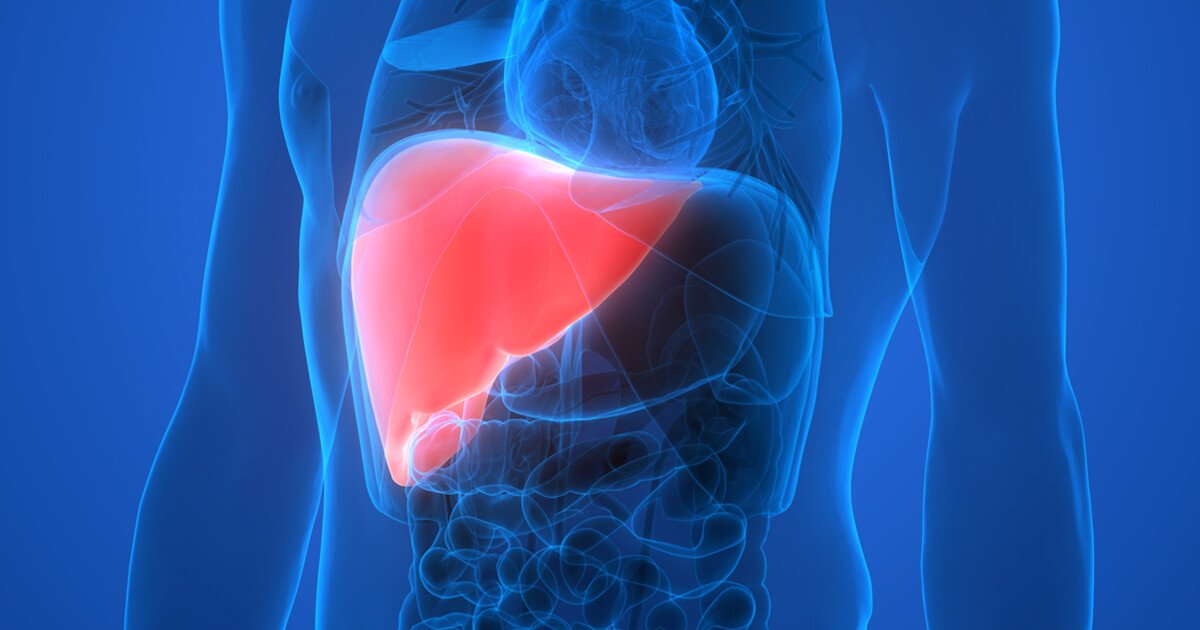
Nonalcoholic Fatty Liver Disease is one of the fastest-growing health issues in the United States—yet most people don’t know they have it. Often called a “silent” condition, it can develop for years without obvious symptoms, quietly damaging the liver.
Today, roughly 1 in 4 U.S. adults are affected, making it a major public health concern.
What Is Non-Alcoholic Fatty Liver Disease?
NAFLD happens when excess fat builds up in the liver without heavy alcohol use.
It ranges in severity:
- Simple fatty liver (NAFL): Fat buildup with little or no inflammation
- NASH (nonalcoholic steatohepatitis): Fat + inflammation + liver damage
If it progresses, it can lead to:
- Liver scarring (fibrosis)
- Cirrhosis
- Liver failure
Why It’s Called a “Silent” Disease
Most people with NAFLD have no symptoms in early stages.
When symptoms do appear, they may be subtle:
- Fatigue
- Mild discomfort in the upper right abdomen
- Unexplained weight gain or difficulty losing weight
Because these signs are vague, the condition is often discovered during routine blood tests or imaging.
What Causes Fatty Liver?
NAFLD is closely tied to modern lifestyle and metabolic health.
Major risk factors include:
- Obesity
- Type 2 Diabetes
- Insulin Resistance
- High cholesterol or triglycerides
- Sedentary lifestyle
The National Institute of Diabetes and Digestive and Kidney Diseases notes that insulin resistance is one of the key drivers of fat buildup in the liver.
Why NAFLD Is Increasing So Fast
Several trends are fueling this epidemic:
- High intake of processed foods and added sugars
- Sedentary lifestyles
- Rising rates of obesity and metabolic syndrome
Sugary drinks and excess fructose are especially harmful, as they are directly converted into fat in the liver.
How to Know If You Have It
NAFLD is often detected through:
- Blood tests (elevated liver enzymes)
- Ultrasound or imaging
- Medical history and risk factors
If you have risk factors like belly fat or diabetes, it’s worth discussing screening with your doctor.
How to Reverse Fatty Liver (What Actually Works)
The most important takeaway: NAFLD is often reversible—especially early on.
1. Lose Weight (Even a Little Helps)
Losing 5–10% of body weight can:
- Reduce liver fat
- Improve inflammation
- Slow or reverse damage
2. Cut Added Sugar (Especially Sugary Drinks)
This is one of the most powerful steps.
Avoid:
- Soda, energy drinks
- Sweetened juices
- Processed snacks
3. Improve Your Diet
Focus on whole, nutrient-dense foods:
Eat more:
- Vegetables and fruits
- Lean protein (fish, chicken, beans)
- Whole grains
- Healthy fats (olive oil, nuts)
Limit:
- Refined carbs
- Ultra-processed foods
A Mediterranean-style diet is often recommended for liver health.
4. Exercise Regularly
You don’t need extreme workouts.
- 30 minutes of walking most days
- Strength training a few times a week
Exercise helps reduce liver fat even without major weight loss.
5. Manage Blood Sugar and Cholesterol
Controlling metabolic health is key to stopping disease progression.
6. Limit Alcohol (Even Though It’s “Non-Alcoholic”)
Small amounts may still worsen liver stress if NAFLD is present.
When It Becomes Serious
If NAFLD progresses to Nonalcoholic Steatohepatitis, the risk of permanent liver damage increases.
Warning signs of advanced disease may include:
- Persistent fatigue
- Swelling in the abdomen
- Yellowing of the skin (jaundice)
At this stage, medical care is essential.
Why You Shouldn’t Ignore It
NAFLD doesn’t just affect the liver—it’s strongly linked to:
- Heart disease (the leading cause of death in these patients)
- Diabetes
- Kidney disease
A Simple Daily Plan for Liver Health
- Breakfast: High-protein + fiber (eggs, oats, fruit)
- Lunch: Lean protein + vegetables + whole grains
- Dinner: Balanced, lighter meal
- Activity: Daily walking
- Hydration: Water instead of sugary drinks
Bottom Line
Non-alcoholic fatty liver disease is common, silent, and potentially serious—but also highly preventable and reversible.
If you have risk factors like belly fat, high blood sugar, or high cholesterol, taking action now—especially with diet, movement, and weight management—can protect your liver and overall health for the long term.