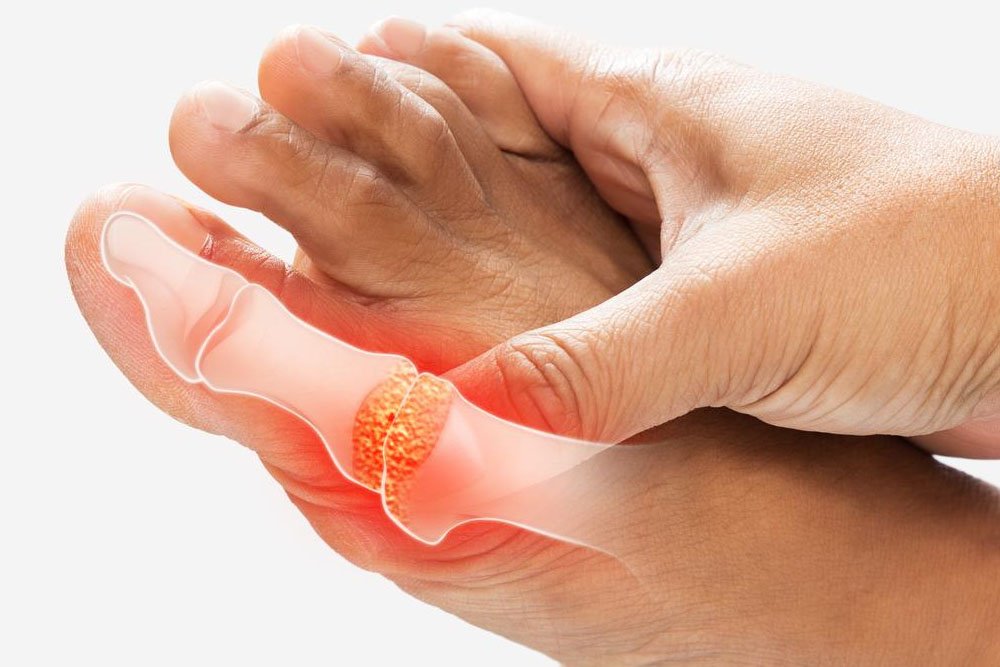
Gout is a form of arthritis that can come on suddenly—often overnight—with intense joint pain. The good news is that many gout flares are preventable, especially with the right diet and lifestyle choices.
Here’s how to recognize gout early, what triggers it, and what actually helps keep attacks away.
What Is Gout?
Gout happens when uric acid builds up in the blood and forms sharp crystals in the joints.
Uric acid is produced when your body breaks down substances called purines—found naturally in your body and in certain foods.
When levels get too high, crystals form and trigger inflammation and pain.
Common Gout Symptoms
Gout attacks are usually sudden and intense.
1. Severe Joint Pain
- Often starts in the big toe (classic sign)
- Can also affect ankles, knees, wrists, or fingers
2. Swelling and Redness
- Joint becomes swollen, warm, and tender
- Skin may look shiny or red
3. Sudden Nighttime Attacks
- Many people wake up with severe pain
- Even light pressure (like a bedsheet) can hurt
4. Limited Movement
- Joint stiffness during or after an attack
What Triggers Gout Attacks?
Certain foods and habits can raise uric acid levels and trigger flares.
1. High-Purine Foods
These are the biggest dietary triggers.
Limit or avoid:
- Red meat (beef, lamb, pork)
- Organ meats (liver, kidney)
- Shellfish (shrimp, lobster)
- Certain fish (sardines, anchovies)
2. Sugary Drinks and Fructose
- Soda and sweetened beverages
- Fruit juices with added sugar
Fructose increases uric acid production.
3. Alcohol (Especially Beer)
Alcohol interferes with uric acid removal and can quickly trigger attacks.
Beer is particularly high in purines.
4. Dehydration
Not drinking enough water makes it harder for your body to flush out uric acid.
5. Rapid Weight Loss or Crash Dieting
Can temporarily increase uric acid levels.
6. Certain Health Conditions
- Obesity
- High Blood Pressure
- Type 2 Diabetes
These increase the risk of gout.
What to Eat to Prevent Gout Attacks
A gout-friendly diet focuses on lowering uric acid and reducing inflammation.
1. Low-Purine, Nutrient-Dense Foods
Best choices:
- Fruits (especially cherries)
- Vegetables
- Whole grains
Cherries, in particular, have been linked to reduced gout flares in some studies.
2. Low-Fat Dairy
- Milk
- Yogurt
These may help lower uric acid levels.
3. Lean Proteins
- Chicken
- Eggs
- Plant proteins (beans, lentils in moderation)
4. Plenty of Water
Hydration helps flush uric acid from your body.
Aim for consistent water intake throughout the day.
5. Coffee (in Moderation)
Some research suggests coffee may lower gout risk—but avoid adding too much sugar.
Foods to Limit or Avoid
- Red and processed meats
- Organ meats
- Sugary beverages
- Alcohol (especially beer)
- Highly processed foods
Lifestyle Habits That Help
1. Maintain a Healthy Weight
Gradual weight loss can lower uric acid levels and reduce attacks.
2. Stay Active
Regular movement improves overall metabolism and reduces inflammation.
3. Avoid Crash Diets
Slow, steady changes are safer for uric acid control.
4. Manage Other Health Conditions
Controlling blood pressure, blood sugar, and cholesterol helps reduce gout risk.
When to See a Doctor
Seek medical care if:
- You experience sudden, severe joint pain
- Attacks become frequent
- Symptoms don’t improve
Doctors may prescribe medications like Allopurinol to manage uric acid levels long-term.
Bottom Line
Gout is painful—but often preventable. By understanding your triggers and making smart dietary choices, you can significantly reduce flare-ups.
Focus on hydration, balanced nutrition, and limiting high-purine foods. Small, consistent changes can go a long way in keeping gout under control and protecting your joint health.