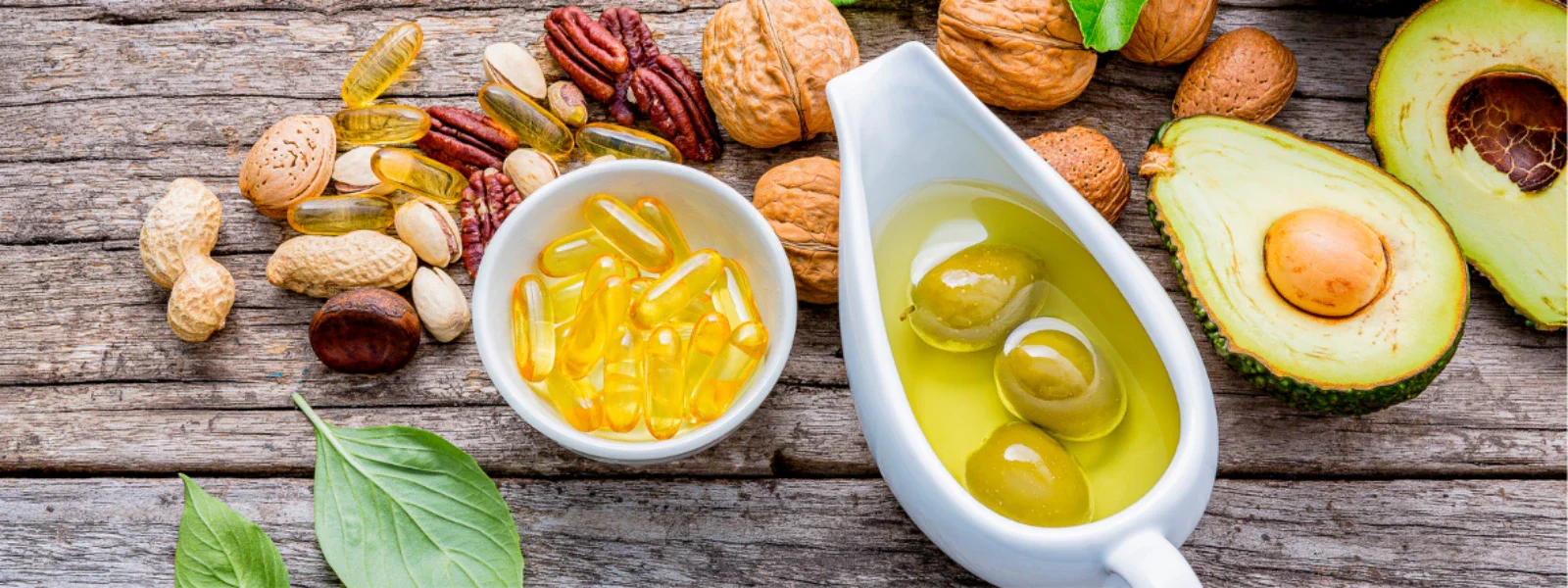
Omega-3 Fatty Acids are critical for brain function, heart health, and controlling inflammation. Yet many people in the U.S. don’t get enough—largely because modern diets are heavy in processed foods and low in fatty fish.
Since your body can’t produce omega-3s on its own, a steady intake from food (or supplements) is essential.
Why Omega-3s Matter
Omega-3 fatty acids—especially EPA and DHA—play a role in:
- Brain health and memory
- Heart and blood vessel function
- Reducing inflammation
- Eye health
- Mood regulation
The National Institutes of Health highlights omega-3s as key nutrients for overall health across the lifespan.
Signs You Might Be Low in Omega-3s
Omega-3 deficiency doesn’t always show up clearly, but certain patterns are common.
1. Dry Skin and Hair
One of the earliest signs:
- Dry, flaky skin
- Rough or dull hair
- Increased skin sensitivity
Omega-3s help maintain the skin’s natural oil barrier.
2. Joint Pain and Stiffness
Low omega-3 intake may increase inflammation, leading to:
- Achy joints
- Morning stiffness
- Reduced flexibility
3. Fatigue and Low Energy
You may feel:
- Constant tiredness
- Reduced endurance
- Sluggishness throughout the day
4. Brain Fog and Poor Concentration
Omega-3s are essential for brain function.
Low levels may contribute to:
- Difficulty focusing
- Memory issues
- Mental fatigue
5. Mood Changes
Some studies link low omega-3 levels to:
- Increased anxiety
- Symptoms of Depression
- Irritability
6. Dry or Irritated Eyes
- Burning or itchy eyes
- Increased sensitivity
Omega-3s support tear production and eye surface health.
7. Poor Heart Health Markers
Low omega-3 intake may be associated with:
- High triglycerides
- Increased inflammation
This can raise the risk of Heart Disease over time.
Why Many Americans Are Deficient
1. Low Fish Consumption
Most people don’t eat enough fatty fish like:
- Salmon
- Sardines
- Mackerel
2. High Omega-6 Intake
Processed foods contain high levels of omega-6 fats, which can create an imbalance when omega-3 intake is low.
3. Plant-Based Diet Limitations
Plant sources (like flaxseed) contain ALA, which the body converts poorly into active omega-3s (EPA and DHA).
Best Food Sources of Omega-3s
1. Fatty Fish (Most Effective)
- Salmon
- Sardines
- Mackerel
- Anchovies
Aim for at least 2 servings per week.
2. Plant-Based Sources
- Chia seeds
- Flaxseeds
- Walnuts
Helpful, but less potent than fish-based sources.
3. Fortified Foods
Some eggs, milk, and cereals are enriched with omega-3s.
Should You Take an Omega-3 Supplement?
Supplements can help if you don’t eat fish regularly.
Common options include:
- Fish oil
- Algal oil (plant-based alternative)
Omega-3 supplements are often used to:
- Lower triglycerides
- Support heart health
- Improve inflammation markers
How Long Does It Take to Notice a Difference?
Some people notice improvements in:
- Skin hydration
- Joint comfort
- Energy levels
within a few weeks of consistent intake.
When to Be Cautious
Talk to a healthcare provider if:
- You’re on blood thinners
- You have a bleeding disorder
- You plan high-dose supplementation
Simple Daily Plan to Boost Omega-3s
- Add chia or flaxseeds to breakfast
- Eat fatty fish 2–3 times per week
- Use nuts as snacks
- Replace processed foods with whole options
Bottom Line
Omega-3 deficiency is common—and often overlooked. Dry skin, joint pain, fatigue, and brain fog may all be subtle signs your body isn’t getting enough essential fats.
By increasing omega-3-rich foods—or using supplements when needed—you can support your heart, brain, and overall health with relatively simple changes.