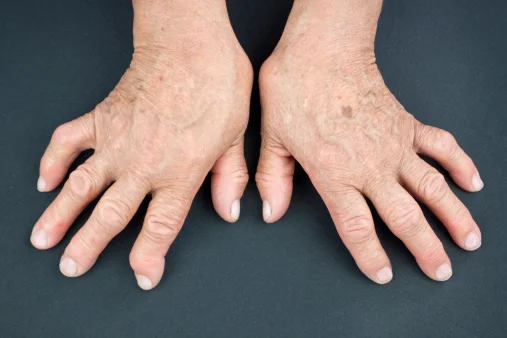
Joint pain, stiffness, swelling—these symptoms can point to more than one condition. Two of the most commonly confused are Psoriatic arthritis and Rheumatoid arthritis.
While both are autoimmune diseases that cause inflammation, they’re not the same—and understanding the difference matters for treatment, long-term health, and quality of life.
What Do They Have in Common?
Both conditions:
- Are autoimmune disorders (immune system attacks healthy tissue)
- Cause joint pain, stiffness, and swelling
- Can lead to fatigue and reduced mobility
- May require long-term management
Because of these overlaps, many people are initially misdiagnosed.
Key Differences You Should Know
1. Underlying Cause
- Psoriatic arthritis (PsA):
Linked to Psoriasis, a skin disease that causes red, scaly patches - Rheumatoid arthritis (RA):
Primarily targets the joints without a skin component
👉 If you have a history of psoriasis, PsA becomes much more likely.
2. Joint Pattern
- RA:
Usually symmetrical (affects both sides of the body equally—e.g., both hands or both knees) - PsA:
Often asymmetrical (may affect one side or different joints unevenly)
3. Fingers and Toes Appearance
- PsA:
Can cause “sausage-like” swelling (called dactylitis) in fingers or toes - RA:
Causes joint swelling but typically not the full-digit swelling seen in PsA
4. Skin and Nail Changes
- PsA:
Common signs include:- Scaly skin patches
- Nail pitting or separation
- RA:
Usually does not involve skin or nail changes
5. Type of Pain and Stiffness
- RA:
- Severe morning stiffness lasting over an hour
- Gradual onset
- PsA:
- Stiffness may be less predictable
- Pain can involve tendons and ligaments (not just joints)
6. Affected Areas
- RA:
Commonly affects small joints (hands, wrists, feet) - PsA:
Can affect:- Joints
- Spine (in some cases)
- Tendon attachment points (enthesitis)
7. Blood Tests
- RA:
Often shows positive markers like rheumatoid factor (RF) or anti-CCP antibodies - PsA:
Usually negative for these markers, making diagnosis trickier
Why Getting the Right Diagnosis Matters
Even though symptoms overlap, treatment approaches can differ.
Doctors may use:
- Blood tests
- Imaging (X-rays, MRI)
- Physical exams
- Medical history (especially psoriasis)
Early and accurate diagnosis helps prevent joint damage and long-term complications.
Treatment Approaches
Both conditions are typically managed with:
- Anti-inflammatory medications
- Disease-modifying drugs (DMARDs)
- Biologic therapies
However, certain medications work better for one condition than the other—especially when skin symptoms are involved in PsA.
When to See a Doctor
You should seek medical advice if you experience:
- Persistent joint pain or swelling
- Morning stiffness that doesn’t improve
- Skin rashes along with joint symptoms
- Fatigue that affects daily life
Early treatment can significantly improve outcomes.
The Bottom Line
While psoriatic arthritis and rheumatoid arthritis may look similar at first, they have distinct patterns, causes, and features.
Understanding these differences can help you:
- Get the right diagnosis faster
- Choose effective treatment
- Protect your long-term joint health