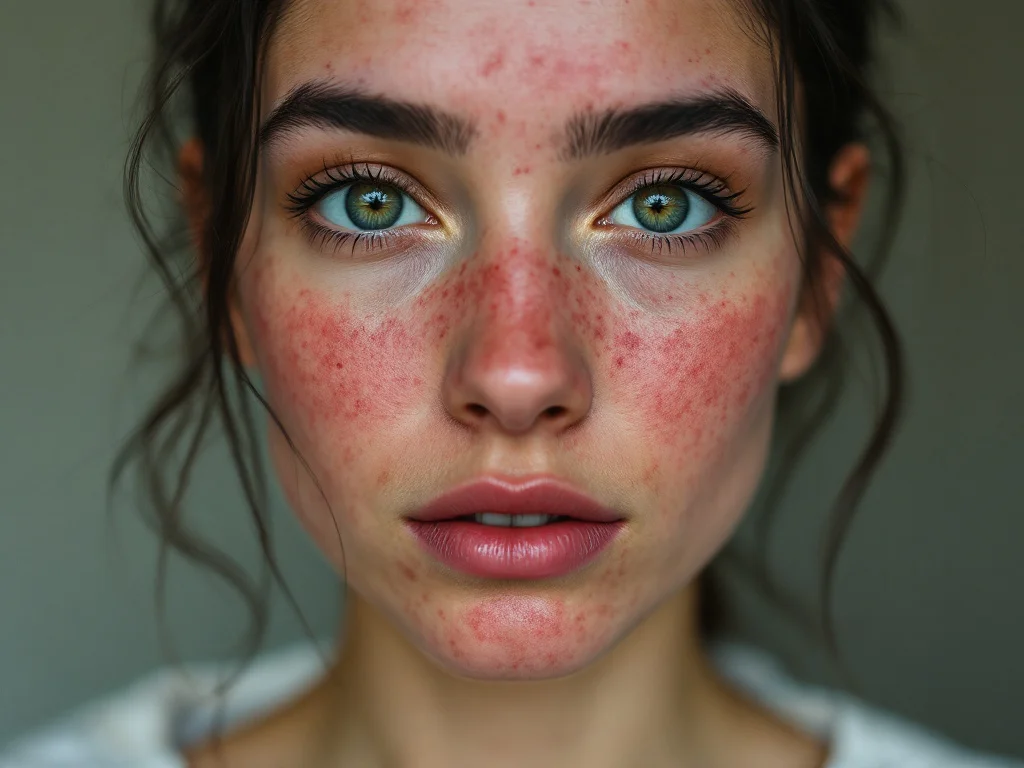
Many women go months—or even years—without realizing they may have lupus. That’s because the symptoms of Lupus can look like everyday health issues: fatigue, stress, hormonal changes, or even just “getting older.”
Lupus is an autoimmune condition, meaning your immune system mistakenly attacks healthy tissues. It can affect the skin, joints, kidneys, brain, and more. And because symptoms come and go, it’s often misunderstood or overlooked—especially in women.
Let’s break down the most common lupus symptoms women tend to ignore or misinterpret.
1. Constant Fatigue (That Doesn’t Improve With Rest)
Feeling tired after a long day is normal. But lupus-related fatigue is different.
Many women describe it as:
- Extreme exhaustion even after 7–8 hours of sleep
- Low energy that interferes with daily tasks
- Brain fog or difficulty concentrating
This is often mistaken for:
- Stress or burnout
- Poor sleep habits
- Iron deficiency
2. Joint Pain and Stiffness
Lupus frequently causes inflammation in the joints, especially in the hands, wrists, and knees.
It may feel like:
- Morning stiffness
- Swelling without injury
- Pain that moves from one joint to another
Often confused with:
- Arthritis
- Overuse or exercise strain
- Early aging
3. Skin Rashes (Especially on the Face)
One of the hallmark signs of lupus is a butterfly-shaped rash across the cheeks and nose.
However, it’s often mistaken for:
- Sunburn
- Rosacea
- Allergic reactions
The key difference? Lupus rashes often worsen after sun exposure.
4. Hair Thinning or Hair Loss
Many women notice gradual hair loss or thinning before diagnosis.
This can look like:
- Hair falling out in clumps
- Thinning along the hairline
- Fragile, dry hair
Commonly blamed on:
- Hormonal imbalance
- Stress
- Nutritional deficiencies
5. Frequent Fevers or Flu-Like Symptoms
Low-grade fevers without a clear cause are common in lupus.
Women often think it’s:
- A mild infection
- Seasonal flu
- Weak immunity
But if it keeps coming back, it could be inflammation from lupus.
6. Sensitivity to Sunlight
Photosensitivity is a major lupus trigger.
Signs include:
- Rashes after being in the sun
- Fatigue after sun exposure
- Headaches or flare-ups
This is often dismissed as:
- “Just sensitive skin”
- Heat intolerance
7. Chest Pain or Shortness of Breath
Lupus can cause inflammation in the lining around the lungs or heart.
Symptoms may feel like:
- Sharp chest pain when breathing deeply
- Shortness of breath
Sometimes confused with:
- Anxiety or panic attacks
- Muscle strain
8. Memory Problems and Mood Changes
Lupus can affect the brain, leading to:
- Brain fog
- Memory lapses
- Mood swings
Often mistaken for:
- Stress
- Depression
- Hormonal changes (especially in women 40–60)
9. Swelling in Legs or Around Eyes
This could signal kidney involvement, known as lupus nephritis.
Symptoms include:
- Puffy eyes
- Swollen ankles or feet
Often overlooked as:
- Water retention
- High salt intake
Why Women (Especially 40–60) Miss These Signs
Women in this age group often attribute symptoms to:
- Menopause
- Busy lifestyles
- Chronic stress
Since lupus symptoms can come and go (called “flares”), it’s easy to ignore them until they worsen.
When to See a Doctor
You should consider medical advice if you notice:
- Persistent fatigue with no clear cause
- Joint pain + skin rashes
- Recurring unexplained symptoms
Doctors may run tests like:
- Blood tests for autoantibodies
- Inflammation markers
Early diagnosis can prevent complications and improve quality of life.
The Bottom Line
Lupus is often called the “great imitator” because it mimics so many other conditions. The key is recognizing patterns—not just individual symptoms.
If something feels “off” in your body and doesn’t go away, trust that instinct. Early attention can make a big difference.