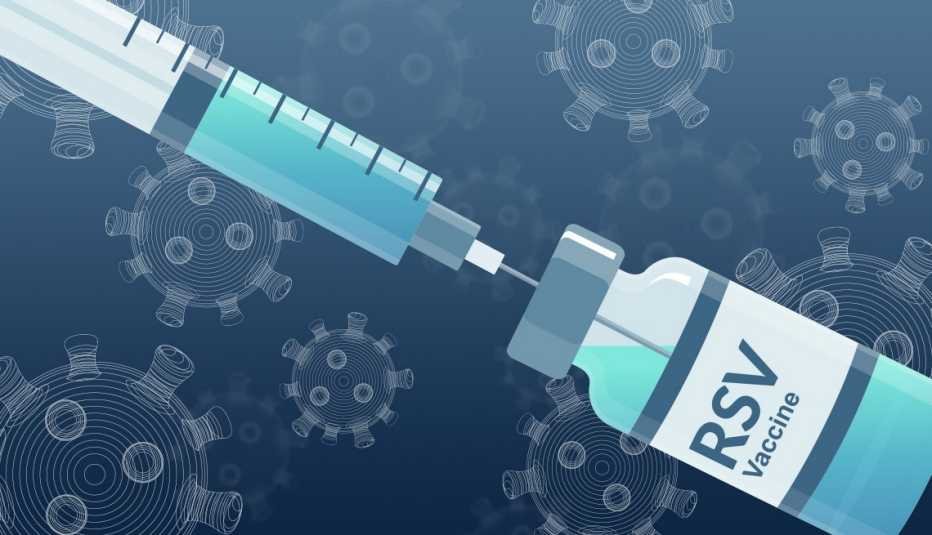
Many people think of Respiratory Syncytial Virus (RSV) as a childhood illness, but it can also cause serious health problems in older adults. In recent years, RSV has gained much more attention because of rising hospitalizations among seniors and the introduction of new vaccines designed to protect adults over 60.
For healthy younger adults, RSV may feel similar to a cold. But in older adults—especially those with underlying medical conditions—it can sometimes lead to pneumonia, breathing complications, hospitalization, or worsening of chronic diseases.
What Is RSV?
RSV is a highly contagious respiratory virus that infects the:
- Nose
- Throat
- Lungs
It spreads through:
- Coughing and sneezing
- Close contact
- Contaminated surfaces
RSV infections typically rise during fall and winter respiratory virus seasons in the United States.
Why RSV Is More Dangerous After 60
As people age, immune function naturally weakens.
Older adults are more vulnerable to:
- Severe lung infections
- Complications from inflammation
- Breathing difficulties
RSV can be especially risky for people with:
- Chronic Obstructive Pulmonary Disease
- Heart Disease
- Asthma
- Diabetes
- Weakened immune systems
Common RSV Symptoms in Older Adults
Symptoms often resemble other respiratory infections.
Common signs include:
- Cough
- Runny nose
- Fatigue
- Fever
- Sore throat
- Wheezing
- Shortness of breath
Some older adults mainly experience worsening weakness or exhaustion.
RSV Can Become Serious Quickly
In some adults, RSV may lead to:
- Bronchitis
- Pneumonia
- Severe breathing problems
It may also worsen existing conditions such as:
- COPD
- Heart failure
- Asthma
Older adults sometimes require hospitalization for oxygen support or complications.
How RSV Differs From Flu or COVID
Symptoms can overlap significantly with:
- Influenza
- COVID-19
Testing may be needed to confirm the exact virus.
Unlike COVID or flu, many adults were less familiar with RSV until recent years.
Who Is Most at Risk?
Higher-risk groups include:
- Adults over 75
- People with chronic lung disease
- Adults with heart disease
- Nursing home residents
- Immunocompromised individuals
Frailty and reduced mobility also increase complication risk.
The New RSV Vaccines for Older Adults
The Centers for Disease Control and Prevention now recommends RSV vaccination for certain older adults.
Approved vaccines in the United States include:
- Arexvy
- Abrysvo
- mRESVIA
These vaccines were developed specifically to reduce severe RSV disease in adults.
Who Should Get the RSV Vaccine?
CDC guidance recommends vaccination for:
- All adults age 75 and older
- Adults 60–74 at increased risk for severe RSV illness
Risk factors include:
- Chronic heart or lung disease
- Diabetes
- Frailty
- Weakened immune systems
Vaccination decisions should be discussed with a healthcare provider.
How Effective Are the Vaccines?
Studies show the vaccines significantly reduce risk of:
- Severe RSV disease
- Hospitalization
- Lower respiratory tract complications
Protection appears strongest against serious illness rather than mild infection alone.
Common Vaccine Side Effects
Possible side effects include:
- Arm soreness
- Fatigue
- Muscle aches
- Headache
- Mild fever
Most side effects are temporary.
Can You Get RSV More Than Once?
Yes.
Immunity after infection is not permanent.
People can get RSV repeatedly throughout life, although severity varies.
How RSV Is Treated
There is no specific antiviral treatment routinely used for most adults with RSV.
Treatment focuses on:
- Rest
- Hydration
- Fever management
- Oxygen support if needed
Severe cases may require hospitalization.
When to Seek Medical Attention
Older adults should seek medical care for:
- Difficulty breathing
- Chest pain
- Bluish lips or skin
- Severe weakness
- Confusion
- Persistent high fever
Breathing problems in older adults can worsen quickly.
How to Reduce RSV Risk
Helpful prevention steps include:
- Vaccination
- Handwashing
- Avoiding close contact with sick individuals
- Staying home when ill
- Improving indoor ventilation during respiratory virus season
Many of the same habits used for flu and COVID also help reduce RSV spread.
Why RSV Matters More Than Many People Realize
Before vaccines became available, RSV caused tens of thousands of hospitalizations annually among older Americans.
Because symptoms resemble common colds initially, many adults underestimate how serious RSV can become in vulnerable populations.
Bottom Line
RSV is not just a childhood illness—it can be a serious respiratory infection for adults over 60, especially those with chronic heart or lung conditions. Symptoms may start like a cold but can progress to pneumonia or breathing complications in older adults.
New RSV vaccines now offer important protection against severe disease and hospitalization, making prevention a major advancement for aging adults and high-risk populations.