Anxiety disorders are among the most common mental health conditions worldwide. Millions of people struggle with persistent worry, panic attacks, and stress-related symptoms that can affect daily life. While medications such as benzodiazepines have traditionally been prescribed for anxiety, many healthcare professionals are now focusing on safer anxiety treatment plans that reduce dependency risks and promote long-term mental wellness.
Modern mental health care emphasizes evidence-based therapies, lifestyle changes, and safer medications that help manage anxiety effectively while minimizing potential side effects or addiction risks.
This guide explores safer treatment plans for anxiety disorders, including therapy options, medication alternatives, and natural strategies that support sustainable recovery.
Understanding Anxiety Disorders
Before exploring treatment plans, it is important to understand what anxiety disorders are.
Anxiety disorders involve excessive fear, worry, or nervousness that persists for extended periods and interferes with daily activities.
Common types include:
- Generalized Anxiety Disorder (GAD)
- Panic Disorder
- Social Anxiety Disorder
- Phobias
- Post-Traumatic Stress Disorder (PTSD)
Symptoms often include:
- Persistent worrying
- Rapid heartbeat
- Difficulty concentrating
- Restlessness
- Sleep problems
- Panic attacks
Because anxiety can have both psychological and physical components, effective treatment plans often combine multiple approaches.
Why Safer Anxiety Treatment Plans Are Important
Traditional medications such as benzodiazepines can provide rapid relief but may carry risks when used long term.
Some concerns include:
- Dependence and addiction
- Tolerance (requiring higher doses)
- Withdrawal symptoms
- Cognitive impairment
Because of these risks, many doctors now prioritize safer long-term anxiety treatment strategies that focus on sustainable symptom management.
1. Cognitive Behavioral Therapy (CBT)
One of the most effective treatments for anxiety is Cognitive Behavioral Therapy (CBT).
CBT helps individuals identify and change negative thought patterns that contribute to anxiety.
Benefits of CBT
- Addresses the root causes of anxiety
- Provides long-term coping skills
- Reduces relapse risk
- No medication side effects
Many mental health professionals consider CBT the first-line treatment for anxiety disorders.
2. Safer Medication Options
While therapy is highly effective, some individuals benefit from medications. Modern treatment plans often prioritize non-addictive medications.
Selective Serotonin Reuptake Inhibitors (SSRIs)
SSRIs are commonly prescribed for anxiety.
Examples include:
- Sertraline
- Escitalopram
- Fluoxetine
These medications help regulate serotonin levels in the brain and are considered safer for long-term use.
Serotonin-Norepinephrine Reuptake Inhibitors (SNRIs)
SNRIs also help treat anxiety by balancing neurotransmitters.
Common examples include:
- Venlafaxine
- Duloxetine
These medications are frequently used for generalized anxiety disorder and panic disorder.
3. Mindfulness and Stress-Reduction Techniques
Mindfulness practices have become a central component of modern anxiety treatment plans.
Examples include:
- Meditation
- Deep breathing exercises
- Progressive muscle relaxation
- Yoga
Research suggests mindfulness can significantly reduce stress and improve emotional regulation.
4. Lifestyle Changes for Anxiety Management
Lifestyle habits play a major role in mental health.
Important lifestyle strategies include:
Regular Physical Activity
Exercise releases endorphins that improve mood and reduce anxiety symptoms.
Healthy Sleep Habits
Poor sleep can worsen anxiety. Maintaining consistent sleep schedules helps regulate mood.
Balanced Nutrition
Diet can influence mental health. Nutrient-rich foods support brain function and emotional stability.
Reducing Caffeine and Alcohol
High caffeine intake may increase anxiety symptoms, while alcohol can disrupt emotional balance.
5. Support Groups and Counseling
Support systems can be extremely helpful for people managing anxiety.
Options include:
- Group therapy
- Peer support programs
- Online mental health communities
Sharing experiences with others facing similar challenges can reduce feelings of isolation.
6. Digital Mental Health Tools
Technology is increasingly being used in anxiety treatment.
Examples include:
- Mental health apps
- Guided meditation platforms
- Online therapy services
These tools provide accessible and convenient mental health support.
Building a Personalized Anxiety Treatment Plan
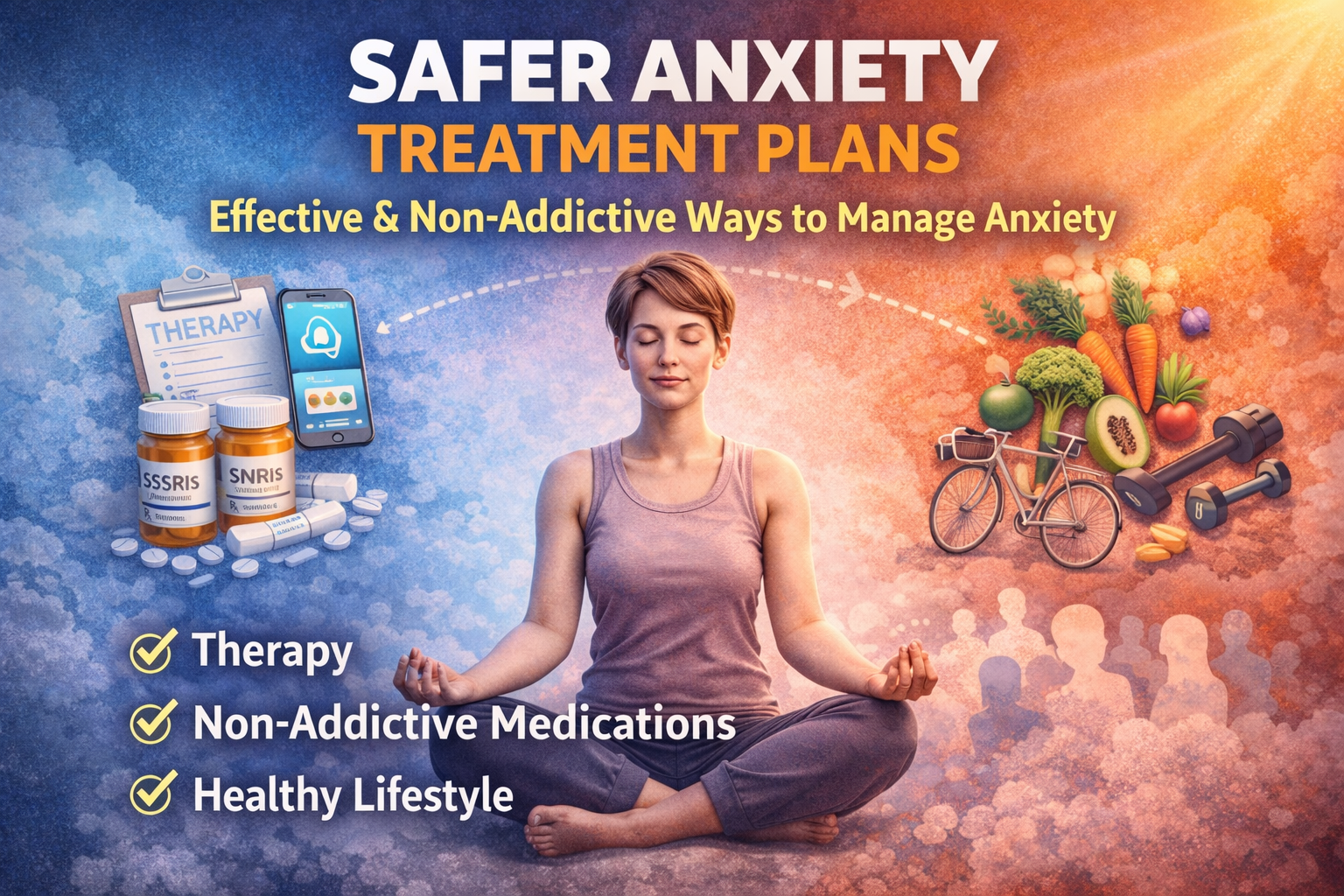
Every individual experiences anxiety differently. A successful treatment plan often combines multiple strategies.
A personalized plan may include:
- Therapy sessions
- Medication when necessary
- Stress-management techniques
- Healthy lifestyle habits
Working with a qualified mental health professional ensures treatment is tailored to the individual’s needs.
When to Seek Professional Help
Occasional anxiety is normal, but persistent symptoms may require professional care.
Consider seeking help if:
- Anxiety interferes with work or relationships
- Panic attacks occur frequently
- Sleep problems persist
- Symptoms worsen over time
Early treatment can prevent anxiety from becoming more severe.
The Future of Anxiety Treatment
Mental health care continues to evolve as researchers develop new approaches for treating anxiety.
Emerging strategies include:
- Personalized psychiatric medicine
- Brain-stimulation therapies
- Digital therapy platforms
- Integrated behavioral health programs
These innovations aim to make anxiety treatment safer, more effective, and more accessible.
Conclusion
Safer anxiety treatment plans focus on long-term mental health and reduced medication risks. By combining therapy, safer medications, lifestyle improvements, and mindfulness practices, individuals can manage anxiety effectively without relying on high-risk treatments.
With proper support and professional guidance, many people successfully regain control over their mental health and lead balanced, fulfilling lives.