What Is Ksalol (Alprazolam)?
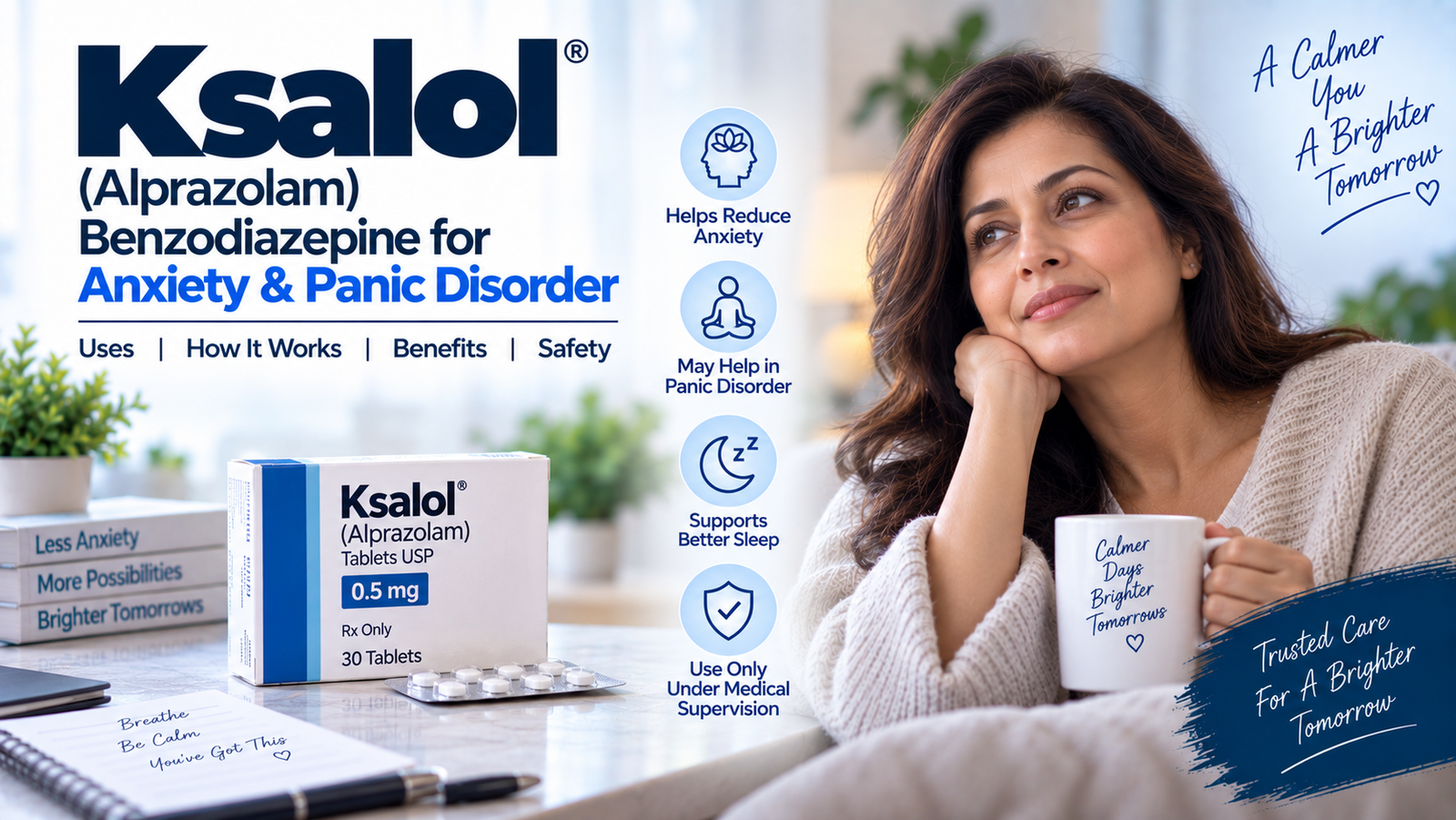
Ksalol contains alprazolam, a benzodiazepine medication used to treat anxiety disorders and panic disorder. Alprazolam works by reducing abnormal activity in the brain and central nervous system, producing a calming effect.
In the United States, FDA-approved alprazolam tablets are indicated for the acute treatment of generalized anxiety disorder (GAD) in adults and for panic disorder with or without agoraphobia in adults.
Ksalol should not be confused with an everyday stress-relief medicine. Alprazolam is a controlled prescription benzodiazepine with clinically important risks involving sedation, misuse, addiction, physical dependence, and withdrawal.
The FDA requires a class-wide boxed warning for benzodiazepines because misuse and dependence can occur even when these medicines are taken as prescribed. Combining benzodiazepines with opioids, alcohol, or other central nervous system depressants can substantially increase the risk of severe sedation and respiratory depression.
How Does Alprazolam Work?
Alprazolam belongs to the benzodiazepine class.
Benzodiazepines enhance the effects of gamma-aminobutyric acid (GABA), an inhibitory neurotransmitter in the brain. This decreases excessive neuronal activity and can produce:
- Reduced anxiety
- Calming effects
- Sedation
- Muscle relaxation
- Reduced central nervous system activity
This mechanism explains why alprazolam can reduce acute anxiety and panic symptoms, but it also explains why excessive exposure can cause significant drowsiness, impaired coordination, and potentially dangerous central nervous system depression.
What Is Ksalol Used For?
1. Generalized Anxiety Disorder
Alprazolam is FDA-approved for the acute treatment of generalized anxiety disorder in adults.
Generalized anxiety disorder involves excessive and persistent anxiety and worry that can interfere with daily functioning.
Symptoms may include:
- Excessive worry
- Restlessness
- Muscle tension
- Difficulty concentrating
- Irritability
- Fatigue
- Sleep difficulties
Alprazolam can reduce anxiety symptoms through its calming effect on the central nervous system.
However, benzodiazepines carry dependence and withdrawal risks, so the FDA recommends careful assessment of the need for treatment and appropriate monitoring.
2. Panic Disorder
Alprazolam is also FDA-approved for panic disorder with or without agoraphobia in adults.
Panic disorder involves recurrent panic attacks—sudden episodes of intense fear or discomfort that can occur unexpectedly.
A panic attack may involve:
- Racing or pounding heartbeat
- Sweating
- Trembling
- Shortness of breath
- Chest discomfort
- Dizziness
- Nausea
- Fear of losing control
- Fear of dying
MedlinePlus notes that panic attacks can occur without warning and that repeated attacks combined with ongoing concern or behavioral changes may be characteristic of panic disorder.
Ksalol Dosage and Forms
Alprazolam is available in several oral formulations, including:
- Immediate-release tablets
- Extended-release tablets
- Orally disintegrating tablets
- Oral solution
MedlinePlus notes that immediate-release tablets, orally disintegrating tablets, and oral solution may be taken multiple times daily, while extended-release tablets are generally taken once daily.
The appropriate dose depends on factors such as:
- Condition being treated
- Age
- Response to treatment
- Other medications
- Liver function
- Previous benzodiazepine exposure
- Duration of treatment
U.S. prescribing information provides different dosing recommendations for generalized anxiety disorder and panic disorder. It also emphasizes using the lowest effective dose and regularly reassessing the need for continued treatment.
Because alprazolam can cause dependence, patients should not change the dose or frequency themselves.
Common Ksalol Side Effects
Common side effects of alprazolam can include:
- Drowsiness
- Dizziness
- Light-headedness
- Tiredness
- Headache
- Irritability
- Dry mouth
- Nausea
- Constipation
- Changes in appetite
- Difficulty urinating
- Changes in sexual function
MedlinePlus lists drowsiness, light-headedness, headache, tiredness, dizziness, irritability, nausea, constipation, and other effects among possible adverse reactions.
Because alprazolam can impair alertness and coordination, patients should understand how the medicine affects them before driving or operating machinery.
Serious Risks of Alprazolam
1. Misuse, Addiction, and Dependence
Alprazolam has important risks related to misuse, abuse, addiction, physical dependence, and withdrawal.
The FDA requires these risks to appear in the boxed warning for benzodiazepines.
Physical dependence is different from addiction.
Physical dependence means the body has adapted to the medicine, so stopping it suddenly can produce withdrawal symptoms.
Addiction involves problematic use characterized by impaired control over medication use and continued use despite harmful consequences.
A person can develop physical dependence without having an addiction.
Alprazolam Withdrawal
One of the most important Ksalol safety issues is withdrawal after regular use.
Stopping alprazolam suddenly or reducing it too quickly can cause withdrawal symptoms, which may include:
- Increased anxiety
- Panic attacks
- Insomnia
- Irritability
- Tremors
- Difficulty concentrating
- Memory problems
- Muscle symptoms
- Sensory disturbances
- Seizures
- Changes in mental status
In severe cases, benzodiazepine withdrawal can be life-threatening. The FDA recommends gradual, individualized tapering rather than abrupt discontinuation.
There is no single tapering schedule appropriate for everyone. The rate of dose reduction depends on the individual, treatment duration, dose, and clinical circumstances.
Do not suddenly stop regularly used alprazolam without medical guidance.
Ksalol and Opioids
One of the most important drug interactions involves opioid medications.
Examples of opioids include:
- Hydromorphone
- Oxycodone
- Morphine
- Fentanyl
- Codeine
- Hydrocodone
- Methadone
Combining alprazolam with opioids can result in:
- Profound sedation
- Severe respiratory depression
- Coma
- Death
Current U.S. alprazolam labeling recommends reserving concurrent use with opioids for situations in which alternative treatment options are inadequate and calls for careful monitoring for sedation and respiratory depression.
The FDA similarly warns that benzodiazepines combined with opioids can produce serious and potentially fatal effects.
Ksalol and Alcohol
Alcohol can intensify the sedating effects of alprazolam.
Combining the two can increase the risk of:
- Severe drowsiness
- Poor coordination
- Impaired judgment
- Loss of consciousness
- Breathing problems
- Overdose
The FDA advises patients taking benzodiazepines to avoid alcohol because of the potential for serious and life-threatening effects.
Other Medications That Can Interact With Alprazolam
Alprazolam can interact with numerous prescription and nonprescription medicines.
Particular attention is needed with medications that:
- Depress the central nervous system, or
- Affect the metabolism of alprazolam.
Examples can include:
- Opioids
- Other benzodiazepines
- Certain sleep medications
- Sedating antihistamines
- Some antidepressants
- Certain antifungal medicines
- Some antibiotics
- Other CYP3A-interacting medications
Strong CYP3A inhibitors can increase alprazolam exposure. Current prescribing information identifies clinically important interactions involving drugs that inhibit alprazolam metabolism.
Patients should provide their healthcare professional and pharmacist with a complete list of prescription medicines, OTC products, supplements, and substances they use.
Grapefruit and Alprazolam
Patients taking alprazolam should discuss grapefruit or grapefruit juice with their healthcare professional.
MedlinePlus specifically recommends discussing grapefruit consumption while taking alprazolam because grapefruit can affect medication metabolism.
Alprazolam and Driving
Ksalol can cause:
- Drowsiness
- Dizziness
- Slower reaction time
- Reduced coordination
- Impaired concentration
These effects can make driving and operating machinery dangerous.
Patients should avoid driving or performing hazardous activities until they know how alprazolam affects them. MedlinePlus specifically advises patients not to drive or operate machinery until they understand the medication’s effects.
Alcohol and other sedatives can further increase impairment.
Ksalol in Older Adults
Older adults may be more sensitive to benzodiazepine effects.
Potential concerns include:
- Excessive sedation
- Dizziness
- Impaired coordination
- Falls
- Confusion
- Cognitive impairment
MedlinePlus notes that alprazolam may not be recommended for some people aged 65 years or older because other treatments may be safer or more appropriate.
Treatment decisions should therefore consider age, other medications, fall risk, and the individual’s overall medical situation.
Alprazolam and Pregnancy
Alprazolam may pose risks during pregnancy.
U.S. prescribing information includes warnings concerning neonatal sedation and withdrawal syndrome following benzodiazepine exposure.
MedlinePlus advises patients who are pregnant, planning pregnancy, or who become pregnant while taking alprazolam to contact their healthcare professional.
Patients should not independently stop alprazolam during pregnancy because abrupt benzodiazepine withdrawal can itself be dangerous.
Alprazolam and Breastfeeding
MedlinePlus advises patients taking alprazolam not to breastfeed.
Because medication exposure and infant risk can depend on the specific circumstances, anyone who is breastfeeding or planning to breastfeed should discuss alprazolam treatment with their healthcare professional.
Who May Need Extra Caution With Ksalol?
Additional assessment may be necessary for people with:
- Respiratory problems
- Liver disease
- Kidney disease
- A history of seizures
- Older age
- Substance-use history
- Concurrent opioid use
- Other sedating medications
- Pregnancy
- A history of depression or other psychiatric conditions
Current U.S. alprazolam labeling specifically includes warnings concerning impaired respiratory function, interactions, dependence and withdrawal, and certain psychiatric effects.
Ksalol and Mental or Behavioral Changes
Although alprazolam is used to reduce anxiety and panic symptoms, unusual behavioral or psychiatric reactions can occur.
Patients and caregivers should seek medical advice for significant or unexpected changes such as:
- Severe agitation
- Unusual behavior
- Major mood changes
- Confusion
- Hallucinations
- Severe depression
- Thoughts of self-harm
MedlinePlus lists serious mental and behavioral symptoms among situations requiring prompt medical attention.
What Happens in an Alprazolam Overdose?
An alprazolam overdose can cause significant central nervous system depression.
Potential symptoms include:
- Extreme drowsiness
- Confusion
- Poor coordination
- Loss of consciousness
- Slowed breathing, particularly when other CNS depressants are involved
MedlinePlus identifies drowsiness, confusion, coordination problems, and loss of consciousness among possible overdose symptoms.
If a person cannot be awakened, has a seizure, or has difficulty breathing, call 911 immediately.
An overdose involving alprazolam becomes particularly dangerous when alcohol, opioids, or other sedatives are also involved.
Ksalol vs. Xanax: Are They the Same?
Both Ksalol and Xanax contain alprazolam, but the brand names and regulatory status can differ by country and manufacturer.
| Term | Meaning |
|---|---|
| Ksalol | Brand name associated with alprazolam in some markets |
| Xanax | U.S. brand name for alprazolam |
| Alprazolam | Active benzodiazepine medication |
| Drug class | Benzodiazepine |
| U.S. controlled-substance classification | Schedule IV |
| U.S. approved adult uses | Generalized anxiety disorder and panic disorder |
FDA-approved alprazolam in the United States is available only by prescription.
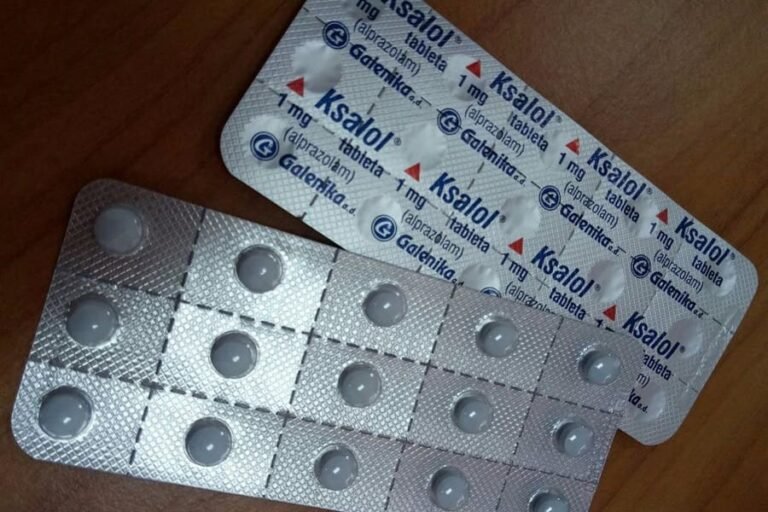
Because brand availability varies internationally, consumers should verify the active ingredient and strength on the actual product packaging rather than assuming that similarly named products contain the same medication.
Ksalol Safety: Important Precautions
For people prescribed alprazolam, important safety practices include:
- Take it exactly as prescribed.
- Never take another person’s alprazolam.
- Do not increase the dose without medical direction.
- Avoid alcohol.
- Tell healthcare professionals about opioid use.
- Report all other medicines and supplements.
- Do not suddenly stop regular treatment.
- Ask about a gradual taper when discontinuation is appropriate.
- Avoid driving until the effects are known.
- Store the medication securely.
- Keep it away from children and people for whom it was not prescribed.
The FDA recommends assessing the risk of misuse and addiction before and throughout benzodiazepine treatment.
Frequently Asked Questions About Ksalol
What is Ksalol used for?
Ksalol contains alprazolam and is used in markets where the product is approved for conditions such as anxiety and panic disorder. In the United States, alprazolam is FDA-approved for the acute treatment of generalized anxiety disorder in adults and for panic disorder with or without agoraphobia in adults.
Is Ksalol a benzodiazepine?
Yes. Ksalol contains alprazolam, which belongs to the benzodiazepine class.
Is Ksalol the same as alprazolam?
Ksalol is a brand name associated with alprazolam. Alprazolam is the active drug ingredient.
Is Ksalol the same as Xanax?
Both contain alprazolam, but they are different brand names and may have different availability depending on the country.
Is alprazolam addictive?
Alprazolam can cause misuse, addiction, and physical dependence. The FDA has a boxed warning addressing these risks for the benzodiazepine class.
Can you stop Ksalol suddenly?
Regular alprazolam should not be stopped suddenly without medical guidance. Abrupt discontinuation or rapid reduction can cause serious withdrawal, including seizures.
Can Ksalol be taken with alcohol?
Alcohol can increase the sedative effects and risks of alprazolam. The FDA advises avoiding alcohol with benzodiazepines.
Can Ksalol be taken with opioids?
Combining alprazolam with opioids can cause profound sedation and respiratory depression and may be fatal. Such combinations require careful medical assessment and monitoring.
Does Ksalol make you sleepy?
Yes. Drowsiness and tiredness are recognized effects of alprazolam.
Can Ksalol affect driving?
Yes. Alprazolam can impair alertness, coordination, and reaction time. Patients should not drive or operate machinery until they know how it affects them.
How long can someone take alprazolam?
The appropriate duration depends on the condition, treatment response, risks, and individual circumstances. Longer use can increase the risk of physical dependence and withdrawal, so continued treatment should be periodically reassessed.
Ksalol vs. Other Benzodiazepines
Alprazolam belongs to the same broad drug class as:
- [Clonazepam]
- [Diazepam]
- [Lorazepam]
- [Alprazolam]
However, benzodiazepines differ in their approved indications, pharmacokinetic properties, duration of action, formulations, and dosing requirements.
They should not be considered interchangeable on a milligram-for-milligram basis.
A healthcare professional should determine whether a particular benzodiazepine is appropriate and how it should be used or discontinued.
Key Takeaways
Ksalol (alprazolam) is a benzodiazepine used for anxiety and panic disorder in markets where it is approved. In the United States, alprazolam is FDA-approved for acute treatment of generalized anxiety disorder in adults and panic disorder with or without agoraphobia in adults.
The most important safety considerations are:
- Alprazolam reduces excessive central nervous system activity through benzodiazepine effects.
- It can reduce acute anxiety and panic symptoms.
- Common effects include drowsiness, dizziness, tiredness, and impaired coordination.
- It carries risks of misuse, addiction, physical dependence, and withdrawal.
- Abrupt discontinuation can cause serious withdrawal, including seizures.
- Combining alprazolam with opioids can cause profound sedation and potentially fatal respiratory depression.
- Alcohol can increase dangerous sedative effects.
- Driving may be unsafe because alprazolam can impair alertness and coordination.
- Pregnancy and breastfeeding require specific medical guidance.
- Treatment should be periodically reassessed, particularly when use continues over time.