-

Obesity and Chronic Inflammation: The Link Most Doctors Don’t Explain
Many people think of body fat as simply stored energy. Modern research, however, shows that fat tissue is far more…
-

Why Diets Always Fail After 40: The Hormonal Truth No One Tells You
If you’ve noticed that the same diet that worked in your 20s or 30s no longer produces the same results,…
-
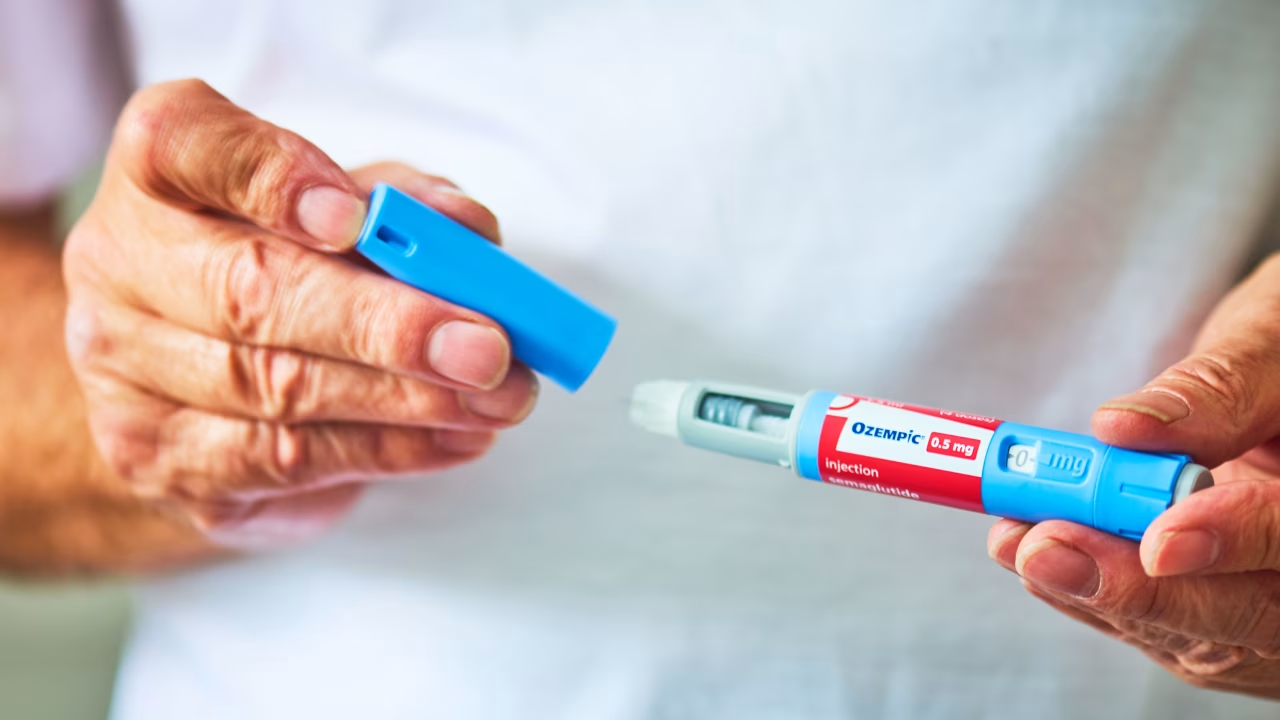
Ozempic and Wegovy Explained: How GLP-1 Drugs Actually Work
Over the past few years, medications like Ozempic and Wegovy have transformed the conversation around weight loss and type 2…
-

Best Sleep Positions for Back Pain, Acid Reflux, and Snoring
Your sleep position can have a surprising impact on how you feel when you wake up. For some people, simply…
-

Hypnic Jerks When Falling Asleep: What Causes That Falling Sensation?
You’re just drifting off to sleep when suddenly your body jerks, your leg kicks, or you feel as if you’re…
-

How Poor Sleep Raises Blood Sugar: The Sleep-Diabetes Connection
Most people know that diet and exercise affect blood sugar levels. What many don’t realize is that sleep is also…
-

Why Do I Wake Up at 3 A.M. Every Night? Common Causes Explained
Few sleep problems are as frustrating as waking up in the middle of the night and staring at the ceiling…
-

REM Sleep Behavior Disorder: Acting Out Dreams and What It Signals
Most people dream every night, but their bodies remain essentially motionless while dreaming. This temporary paralysis is a normal part…
-

Restless Legs Syndrome: Why Your Legs Won’t Stop at Night
Do you ever feel an irresistible urge to move your legs when you’re trying to relax or fall asleep? Perhaps…
-

Best Time to Take Vitamins and Supplements: Morning, Night, or With Food?
One of the most common questions about supplements is: “When should I take them?” The answer depends on the specific…
Latest Posts
-

Lorazepam: Benzodiazepine for Anxiety, Seizures & Sedation — Uses & Safety
What Is Lorazepam? Lorazepam is a prescription benzodiazepine medication that…
-
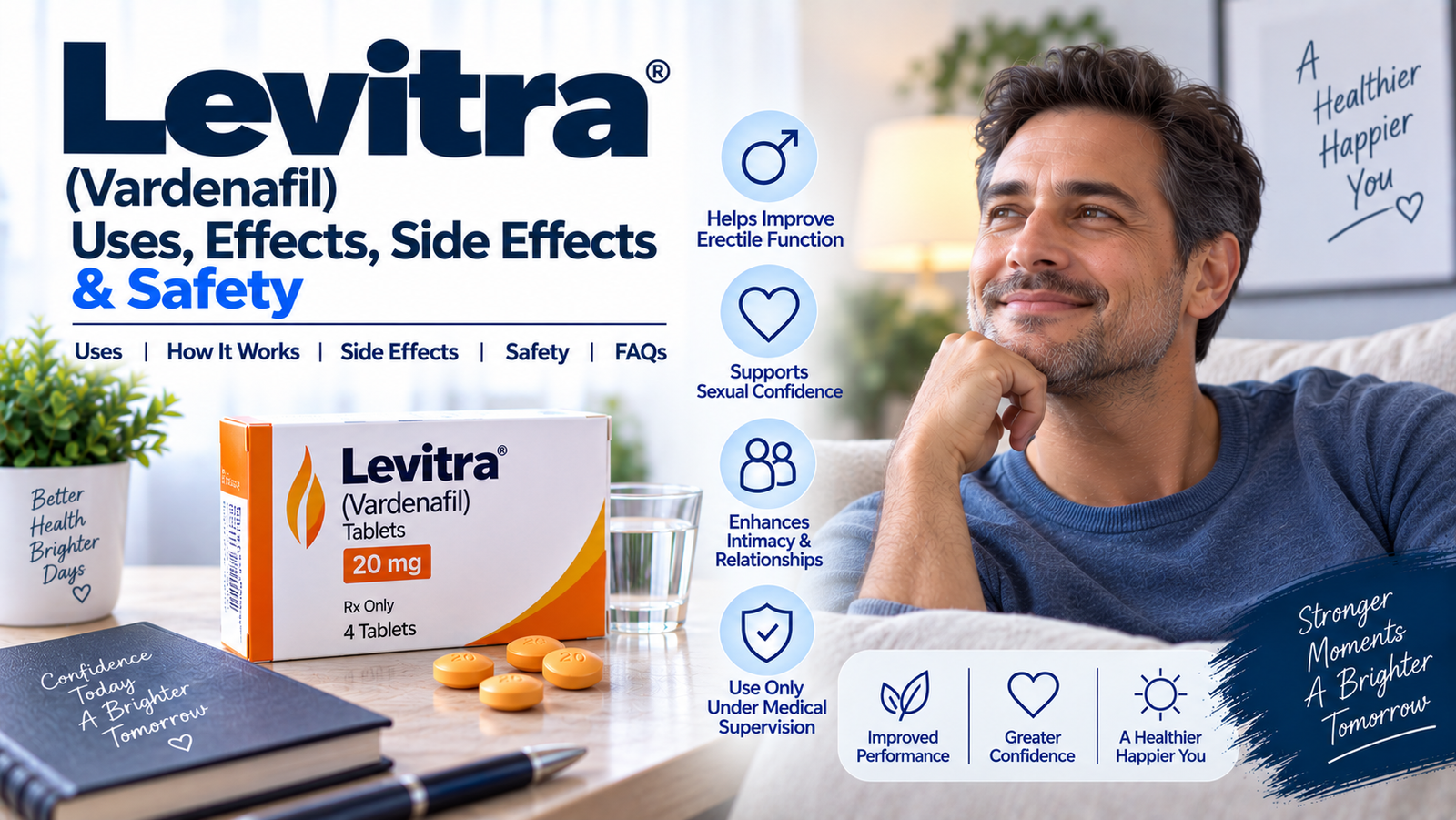
Levitra (Vardenafil): PDE-5 Inhibitor for Erectile Dysfunction — Uses, Effects & Safety
What Is Levitra (Vardenafil)? Levitra is the brand name associated…
-
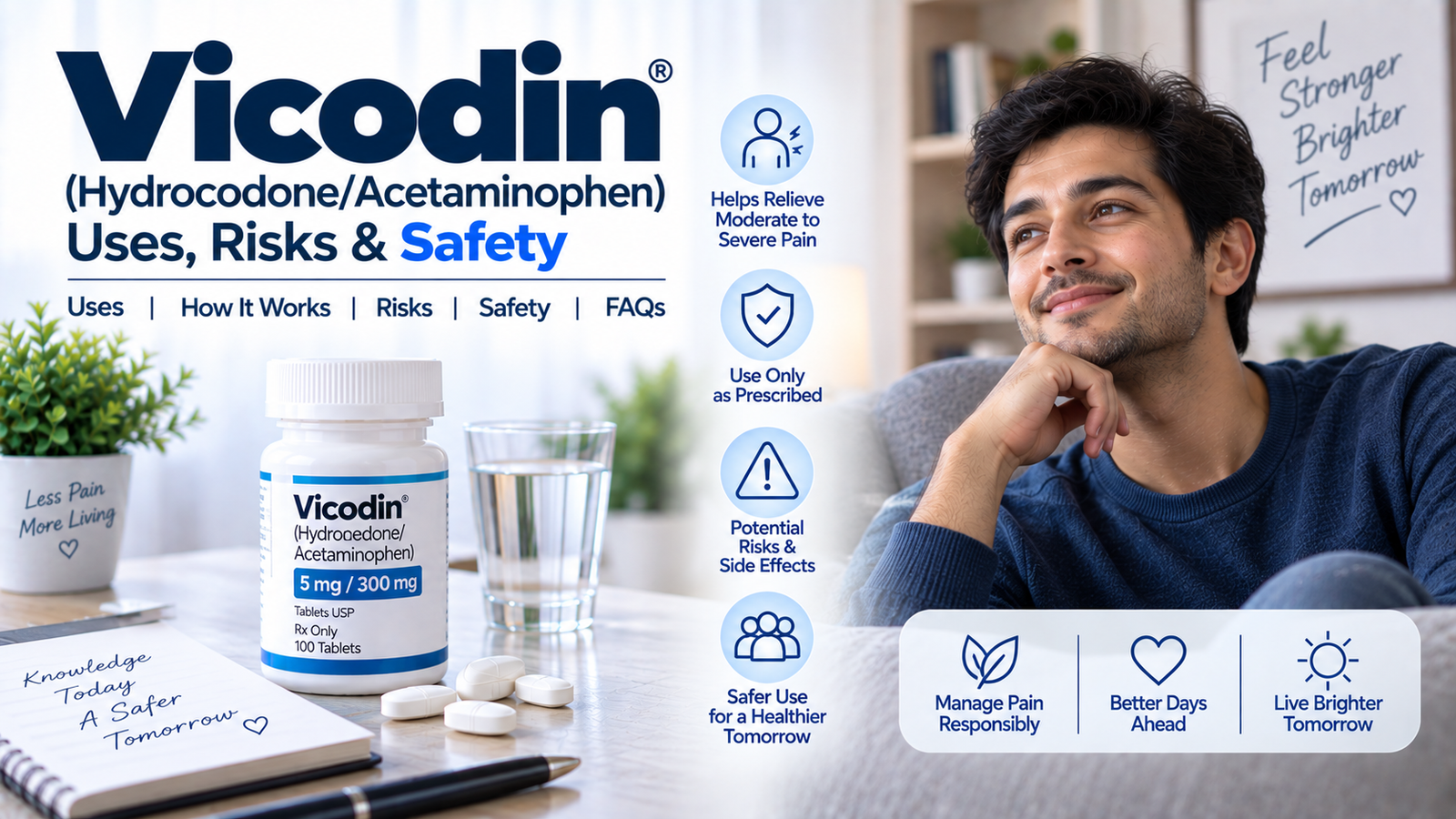
Vicodin (Hydrocodone/Acetaminophen): Opioid Combination for Moderate-to-Severe Pain — Uses & Safety
What Is Vicodin? Vicodin is a prescription combination pain medication…