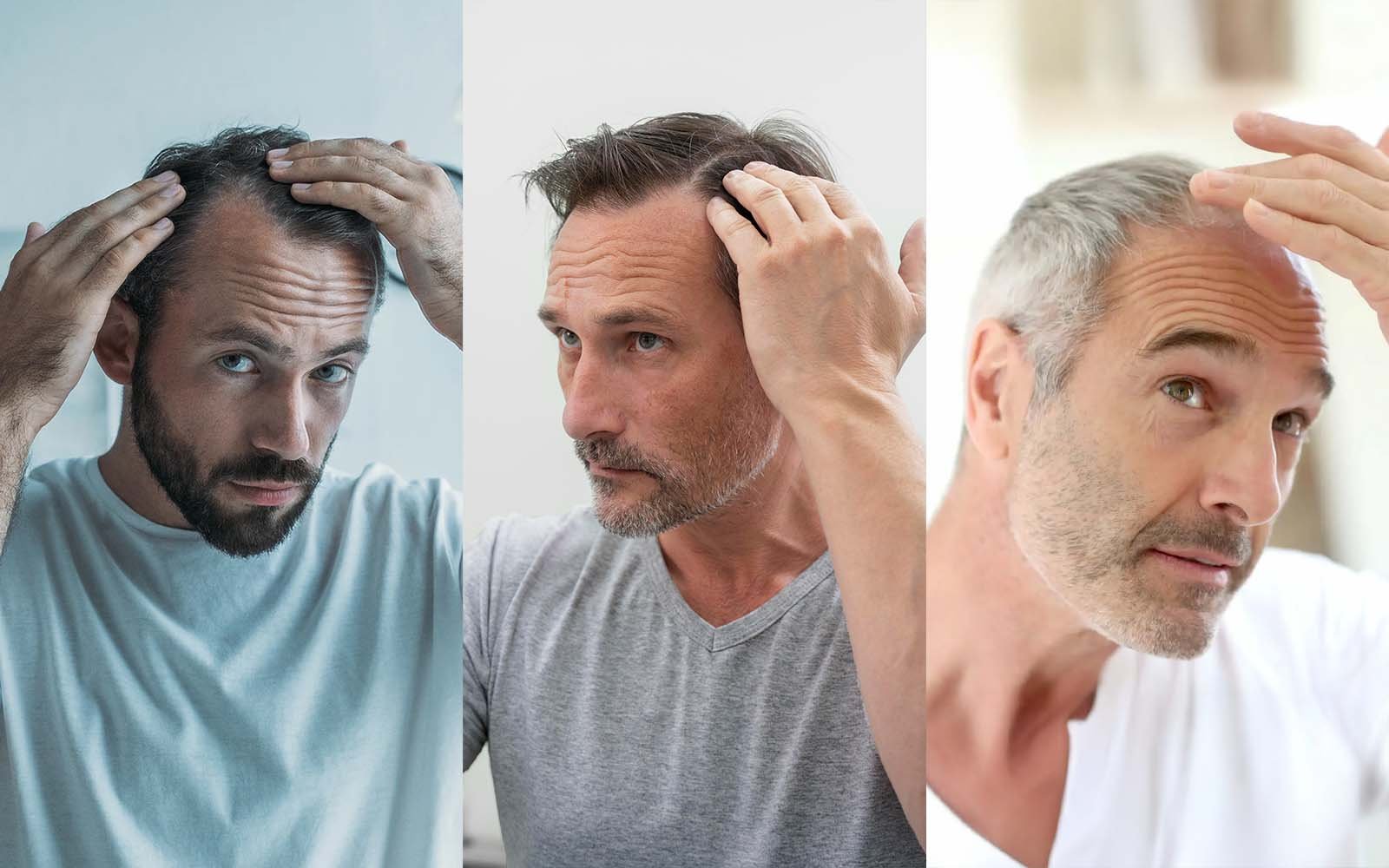
Hair loss affects millions of men worldwide and remains one of the most common appearance-related concerns. For many men, the first signs appear as a receding hairline, thinning at the crown, or increased scalp visibility under bright light.
The good news is that treatment options in 2026 are more advanced than ever. While there is still no universal cure for genetic hair loss, several scientifically supported treatments can slow progression, preserve existing hair, and in some cases stimulate regrowth.
If you’re researching male pattern baldness treatment 2026, understanding what causes the condition and which treatments have the strongest evidence can help you make informed decisions.
Quick Answer: What Is the Most Effective Male Pattern Baldness Treatment in 2026?
The most effective evidence-based treatments for male pattern baldness in 2026 remain minoxidil, finasteride (for appropriate candidates), and hair transplantation for advanced cases. Newer approaches such as low-level laser therapy, oral minoxidil under medical supervision, platelet-rich plasma (PRP), and emerging regenerative treatments may benefit selected individuals, but results vary.
What Is Male Pattern Baldness?
Male pattern baldness, medically known as androgenetic alopecia, is the most common cause of hair loss in men.
It typically follows a predictable pattern:
Early Signs
- Receding hairline.
- Thinning at the temples.
- Increased shedding.
Progressive Changes
- Widening bald areas.
- Thinning at the crown.
- Loss of hair density.
Advanced Stages
- Significant scalp visibility.
- Hair remaining mainly on the sides and back.
The condition often develops gradually over years.
What Causes Male Pattern Baldness?
The primary cause involves a combination of genetics and hormones.
1. Genetics
Family history plays a major role.
If close relatives experienced male pattern baldness, your risk may be higher.
Multiple genes influence:
- Hair follicle sensitivity.
- Age of onset.
- Rate of progression.
2. DHT (Dihydrotestosterone)
A hormone called dihydrotestosterone (DHT) is strongly linked to androgenetic alopecia.
In genetically susceptible individuals:
- DHT binds to hair follicles.
- Follicles gradually shrink (miniaturization).
- Hair becomes thinner and shorter.
- Growth cycles shorten.
- Eventually follicles may stop producing visible hair.
3. Aging
Hair naturally changes with age.
As men get older:
- Hair growth slows.
- Follicles become less productive.
- Existing genetic hair loss becomes more apparent.
Signs of Male Pattern Baldness
Common symptoms include:
Receding Hairline
Often begins at the temples.
Crown Thinning
Hair gradually becomes less dense on top of the head.
Increased Scalp Visibility
The scalp becomes easier to see through thinning hair.
Progressive Hair Miniaturization
Hair strands become finer over time.
Unlike alopecia areata, male pattern baldness typically does not cause sudden round bald patches.
Male Pattern Baldness Treatment 2026: What Actually Works?
Let’s separate evidence-based treatments from marketing hype.
1. Topical Minoxidil
Minoxidil remains one of the most widely used treatments.
How It Works
It helps:
- Prolong the hair growth phase.
- Increase follicle activity.
- Slow ongoing hair loss.
Potential Benefits
- May improve hair density.
- Can slow progression.
- Available without prescription in many countries.
Important Considerations
- Results often require several months.
- Consistent use is necessary.
- Benefits generally diminish if treatment stops.
2. Finasteride
Finasteride remains one of the most studied male pattern baldness treatment 2026 options.
How It Works
It reduces the conversion of testosterone into DHT.
Lower DHT levels may:
- Slow follicle miniaturization.
- Preserve existing hair.
- Promote regrowth in some men.
Potential Benefits
- Strong evidence for effectiveness.
- Can slow progression significantly.
- Often works best when started early.
Treatment decisions should always involve discussion with a qualified healthcare professional regarding risks and benefits.
3. Hair Transplant Surgery
Hair transplantation remains the most effective option for restoring hair in areas where follicles have already been lost.
Modern Techniques
Common approaches include:
Follicular Unit Extraction (FUE)
Individual follicles are transplanted.
Follicular Unit Transplantation (FUT)
A strip of donor hair is harvested and transplanted.
Benefits
- Long-lasting results.
- Natural appearance when performed by experienced surgeons.
- Effective for advanced hair loss.
4. Oral Minoxidil (Medical Supervision Required)
Low-dose oral minoxidil has gained attention in recent years.
Some specialists prescribe it off-label for selected patients.
Potential advantages may include:
- Convenience.
- Broader scalp coverage.
However, oral treatment requires medical supervision because it can affect blood pressure and may not be appropriate for everyone.
5. Platelet-Rich Plasma (PRP)
PRP involves using a concentrated portion of the patient’s own blood and injecting it into the scalp.
Potential Benefits
Some studies suggest:
- Improved hair density.
- Increased hair thickness.
- Enhanced follicle activity.
Results vary, and multiple treatment sessions are often required.
6. Low-Level Laser Therapy (LLLT)
Laser devices designed for hair growth continue to be available in 2026.
Proposed Effects
They may:
- Improve blood flow.
- Stimulate follicle activity.
- Support hair growth cycles.
Evidence is mixed but generally suggests modest benefits for some individuals.
7. Combination Therapy Often Works Best
Many dermatologists now use combination approaches.
Examples may include:
- Minoxidil + finasteride.
- Minoxidil + PRP.
- Hair transplant + medical therapy.
- Finasteride + laser therapy.
Combination treatment often produces better outcomes than a single therapy alone.
Emerging Hair Loss Treatments in 2026
Research continues to explore:
Hair Follicle Regeneration
Scientists are studying ways to regenerate or clone hair follicles.
Stem Cell-Based Therapies
Early-stage research is investigating regenerative medicine approaches.
Advanced Growth Factor Treatments
New biologic therapies aim to stimulate dormant follicles.
While promising, many emerging treatments remain under investigation and are not yet considered standard care.
Treatments That Usually Don’t Live Up to the Hype
Many products advertise dramatic hair regrowth but lack strong scientific evidence.
Be cautious with:
- Miracle hair growth supplements.
- Unproven herbal cures.
- Instant regrowth claims.
- Expensive products without clinical evidence.
If a treatment sounds too good to be true, it often is.
Can Lifestyle Affect Male Pattern Baldness?
Lifestyle cannot completely prevent genetic hair loss, but it can support overall hair health.
Healthy Habits
✔ Eat a nutrient-rich diet.
✔ Get adequate protein.
✔ Manage stress effectively.
✔ Avoid smoking.
✔ Prioritize sleep.
✔ Treat underlying medical conditions.
These habits support healthy hair growth and overall wellness.
When Should You See a Dermatologist?
Consider professional evaluation if you experience:
- Rapid hair thinning.
- Hair loss before age 25.
- Patchy bald spots.
- Scalp inflammation.
- Sudden excessive shedding.
- Uncertainty about the cause of hair loss.
Not all hair loss is male pattern baldness. Conditions such as alopecia areata, thyroid disorders, nutritional deficiencies, and scalp diseases can cause similar symptoms.
Frequently Asked Questions (FAQ)
What is the best male pattern baldness treatment in 2026?
Evidence-supported options include minoxidil, finasteride, and hair transplantation for appropriate candidates.
Can male pattern baldness be reversed?
Early-stage hair loss may improve with treatment, but advanced follicle loss is often more difficult to reverse completely.
Does stress cause male pattern baldness?
Stress does not directly cause androgenetic alopecia, but it can contribute to temporary shedding and make existing hair loss more noticeable.
Is hair transplant surgery permanent?
Transplanted follicles are generally long-lasting, though ongoing hair loss in untreated areas may continue.
Does DHT cause male pattern baldness?
DHT is considered a major factor in genetically susceptible individuals because it contributes to follicle miniaturization.
At what age does male pattern baldness usually begin?
It can begin as early as the late teens or twenties, though onset varies widely.
Final Thoughts
Male pattern baldness remains the most common cause of hair loss in men, but treatment options in 2026 are more effective than ever before. Understanding the role of genetics, DHT, and follicle miniaturization helps explain why hair loss occurs and why early intervention often produces the best results.
When evaluating male pattern baldness treatment 2026, focus on therapies supported by scientific evidence. Treatments such as minoxidil, finasteride, and hair transplantation continue to offer the strongest track records, while newer options like PRP and regenerative therapies may provide additional benefits for selected individuals.
The earlier treatment begins, the more hair can often be preserved. If you’re noticing changes in your hairline or crown density, consulting a dermatologist can help you create a personalized plan based on your stage of hair loss and long-term goals.