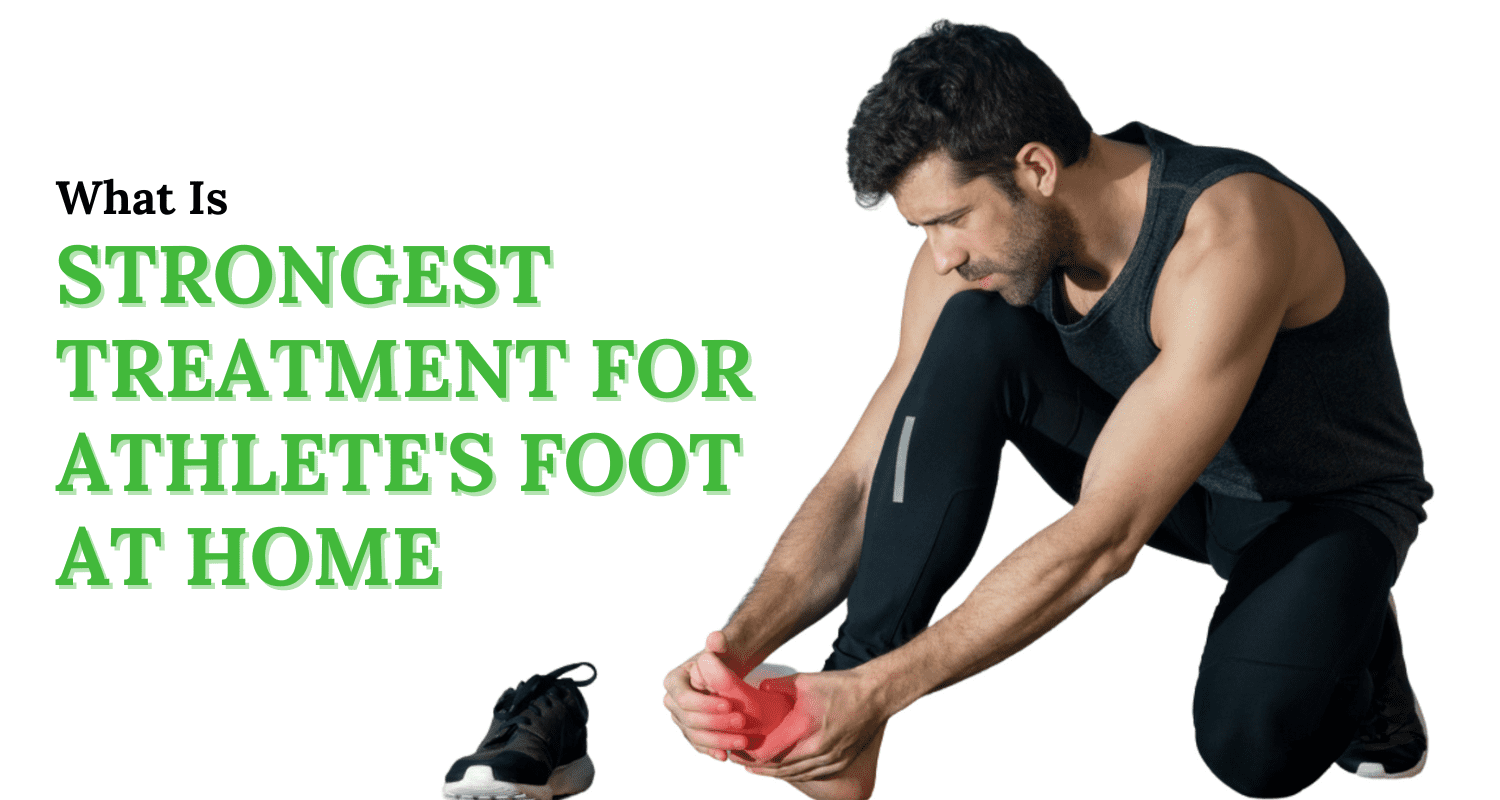
Athlete’s foot is a common fungal infection that affects the skin of the feet—especially between the toes. It causes itching, redness, peeling skin, and sometimes burning discomfort.
While pharmacy antifungal creams are usually the most reliable treatment, several effective home remedies may help relieve symptoms and support recovery in mild cases.
So, what is the strongest treatment for athlete’s foot at home? Let’s explore the safest and most effective options.
Key Takeaways
- Athlete’s foot is caused by fungi that thrive in warm, moist environments.
- Over-the-counter antifungal creams are the most effective home treatment.
- Natural remedies like tea tree oil and vinegar may help mild infections.
- Severe or persistent infections may require prescription medication.
- Good foot hygiene helps prevent recurrence.
What Is Athlete’s Foot?
Athlete’s foot (also called tinea pedis) is a contagious fungal infection affecting the outer skin layer of the feet.
Common symptoms include:
- Itching between toes
- Burning sensation
- Red or flaky skin
- Cracked or peeling skin
- Blisters in severe cases
The infection spreads easily through:
- locker rooms
- swimming pools
- shared footwear
- damp socks or towels
Fungi grow best in warm and moist environments, which makes feet especially vulnerable.
Strongest Home Treatments for Athlete’s Foot
The most reliable home treatments include both natural remedies and over-the-counter antifungal solutions.
1. Antifungal Creams (Most Effective Option)
These are usually the strongest treatments available at home without prescription.
Common active ingredients include:
- clotrimazole
- terbinafine
- miconazole
They work by directly killing the fungus and stopping its spread.
Tip:
Apply twice daily for 2–4 weeks, even if symptoms improve earlier.
2. Tea Tree Oil
Tea tree oil has natural antifungal properties and may help reduce symptoms.
How to use:
- Mix a few drops with coconut oil
- Apply twice daily to affected skin
Important:
Always dilute before applying to avoid irritation.
3. Vinegar Foot Soaks
Vinegar creates an acidic environment that slows fungal growth.
How to prepare:
- Mix equal parts warm water and white vinegar
- Soak feet for 15–20 minutes daily
Dry feet thoroughly afterward.
4. Garlic Paste
Garlic contains natural antifungal compounds.
How to use:
- Crush fresh garlic cloves
- Apply gently to affected area
- Leave for 20–30 minutes before washing
Note:
Stop if irritation occurs.
5. Saltwater Soaks
Saltwater helps reduce inflammation and discomfort.
Method:
- Add salt to warm water
- Soak feet for 15 minutes daily
This supports healing but works best alongside antifungal treatment.
When Natural Remedies May Not Be Enough
Home remedies work best for mild infections.
You should seek medical advice if:
- symptoms last longer than 2 weeks
- infection spreads to nails
- cracks become painful
- blisters appear
- infection keeps returning
In these cases, stronger antifungal medications may be required.
Prescription Treatments for Severe Athlete’s Foot
Doctors may recommend:
Prescription antifungal creams
Stronger versions of pharmacy treatments.
Oral antifungal tablets
Used when infection spreads or becomes persistent.
These treatments work faster and more effectively in resistant cases.
How to Prevent Athlete’s Foot from Coming Back
Prevention is just as important as treatment.
Follow these habits:
Keep feet dry
Especially between toes.
Wear breathable shoes
Choose mesh or leather footwear.
Change socks daily
More often if sweating heavily.
Avoid walking barefoot in public places
Use slippers in locker rooms and pools.
Rotate your shoes
Allow them to dry completely between uses.
Do not share towels or footwear
This prevents reinfection.
Final Answer: What Is the Strongest Treatment for Athlete’s Foot at Home?
The strongest home treatment is over-the-counter antifungal cream, especially those containing terbinafine or clotrimazole.
Natural remedies like tea tree oil, vinegar soaks, and garlic can support healing but usually work best alongside antifungal treatments.
If symptoms persist, consulting a healthcare professional ensures faster recovery and prevents complications.