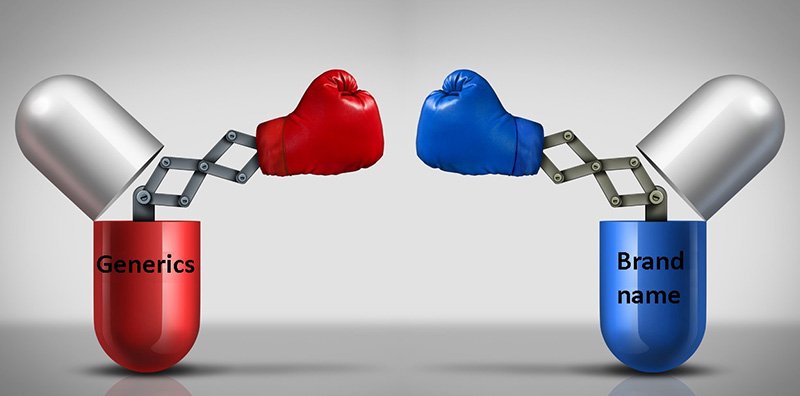
Many Americans wonder whether generic medications work as well as brand-name drugs. Some people switch to generics without noticing any difference, while others feel convinced the brand version works better.
So are generics truly the same?
In most cases, yes—generic medications are designed to provide the same active ingredient, effectiveness, safety, and dosing as their brand-name counterparts. But there are also some important differences that patients should understand.
What Is a Brand-Name Drug?
A brand-name drug is the original medication developed and marketed by a pharmaceutical company.
Examples include:
- Lipitor
- Zoloft
- Glucophage
Drug companies typically hold patents that allow them to sell the medication exclusively for a period of time.
What Is a Generic Drug?
A generic drug contains:
- The same active ingredient
- The same dosage strength
- The same intended use
as the brand-name version.
For example:
- Generic atorvastatin is equivalent to Lipitor
- Generic sertraline is equivalent to Zoloft
Generics become available after patent protections expire.
Are Generics Approved the Same Way?
In the United States, the Food and Drug Administration requires generic medications to demonstrate:
- Bioequivalence
- Similar absorption into the body
- Comparable safety and effectiveness
This means generics must work similarly enough that they are expected to provide the same clinical benefit for most patients.
What “Bioequivalent” Actually Means
Bioequivalence means the generic medication delivers the active ingredient into the bloodstream at a very similar rate and amount compared to the brand drug.
Small differences are allowed, but they must remain within strict regulatory limits.
For most people, these differences are not clinically important.
Why Generics Cost Less
Generic drugs are usually much cheaper because:
- Development costs are lower
- Generic manufacturers do not repeat massive original clinical trials
- Multiple companies compete after patents expire
This competition often reduces prices dramatically.
What Can Be Different About Generics?
Although the active ingredient is the same, some inactive ingredients may differ.
These can include:
- Fillers
- Coloring agents
- Binding materials
- Flavorings
The pill may also:
- Look different
- Have a different shape or color
- Dissolve slightly differently
Can Some People Notice Differences?
Sometimes, yes.
Certain patients may react differently to:
- Fillers
- Dyes
- Absorption differences
This is more likely with medications that require very precise blood levels.
Examples may include:
- Thyroid medications
- Some seizure medications
- Certain psychiatric drugs
In these cases, doctors sometimes prefer consistency with one manufacturer.
Why Some People Think Brand Drugs Work Better
Several factors may contribute:
1. The Placebo Effect
Expectations can strongly influence symptom perception.
Some people feel more confident taking a familiar brand-name medication.
2. Changes in Appearance
Different pill colors or shapes may affect:
- Trust
- Adherence
- Perceived effectiveness
3. Real Differences in Inactive Ingredients
Though uncommon, some patients may genuinely tolerate one version better than another.
Are Generic Drugs Safe?
Yes—generic medications approved in the United States are considered safe and effective for most patients.
Millions of Americans rely on generics daily for conditions such as:
- High Blood Pressure
- Type 2 Diabetes
- Depression
- High cholesterol
Generics help improve affordability and medication access nationwide.
When Brand Drugs May Still Be Preferred
Sometimes doctors recommend brand-name medications because:
- No generic exists yet
- A patient reacts differently to generics
- The medication has a very narrow therapeutic range
- Insurance or manufacturer programs affect pricing unexpectedly
These situations are relatively specific rather than the norm.
Should You Worry if the Pharmacy Changes Manufacturers?
Pharmacies sometimes switch generic manufacturers depending on supply and pricing.
Most people tolerate these switches without issues.
However, if symptoms change after a manufacturer switch, discuss it with:
- Your pharmacist
- Your healthcare provider
Generic Drugs and Insurance
Insurance companies often strongly encourage generics because they:
- Lower healthcare costs
- Reduce copays
- Improve affordability
Brand-name drugs may require:
- Prior authorization
- Higher copays
- Proof that generics failed first
Common Misunderstandings About Generics
“Cheaper Means Lower Quality”
Not necessarily.
Lower price usually reflects:
- Patent expiration
- Competition
- Lower research costs
—not inferior effectiveness.
“Generics Are Counterfeit”
FDA-approved generics are legitimate regulated medications.
Counterfeit drug concerns are separate from approved generic medications.
“Every Generic Works Identically for Every Person”
Most do—but individual responses can occasionally vary slightly.
Medicine is never completely one-size-fits-all.
What to Ask Your Pharmacist or Doctor
Helpful questions include:
- Is there a generic available?
- Is this medication usually well tolerated in generic form?
- Should I stay with one manufacturer consistently?
- Are there cost-saving alternatives?
Pharmacists are excellent resources for medication questions.
Never Stop Medications Abruptly Without Guidance
Do not stop important medications suddenly because of concerns about generic vs brand differences.
This is especially important for:
- Antidepressants
- Seizure medications
- Blood pressure medications
- Heart medications
Always discuss concerns with a healthcare provider first.
Bottom Line
Generic medications are generally considered just as safe and effective as brand-name drugs because they contain the same active ingredients and must meet strict regulatory standards. For most people, generics work extremely well and significantly reduce healthcare costs.
While small differences in inactive ingredients or absorption may matter for certain individuals or medications, the vast majority of patients can use generic drugs safely and effectively. If you notice changes after switching medications, talk with your doctor or pharmacist rather than assuming all generics are inferior.