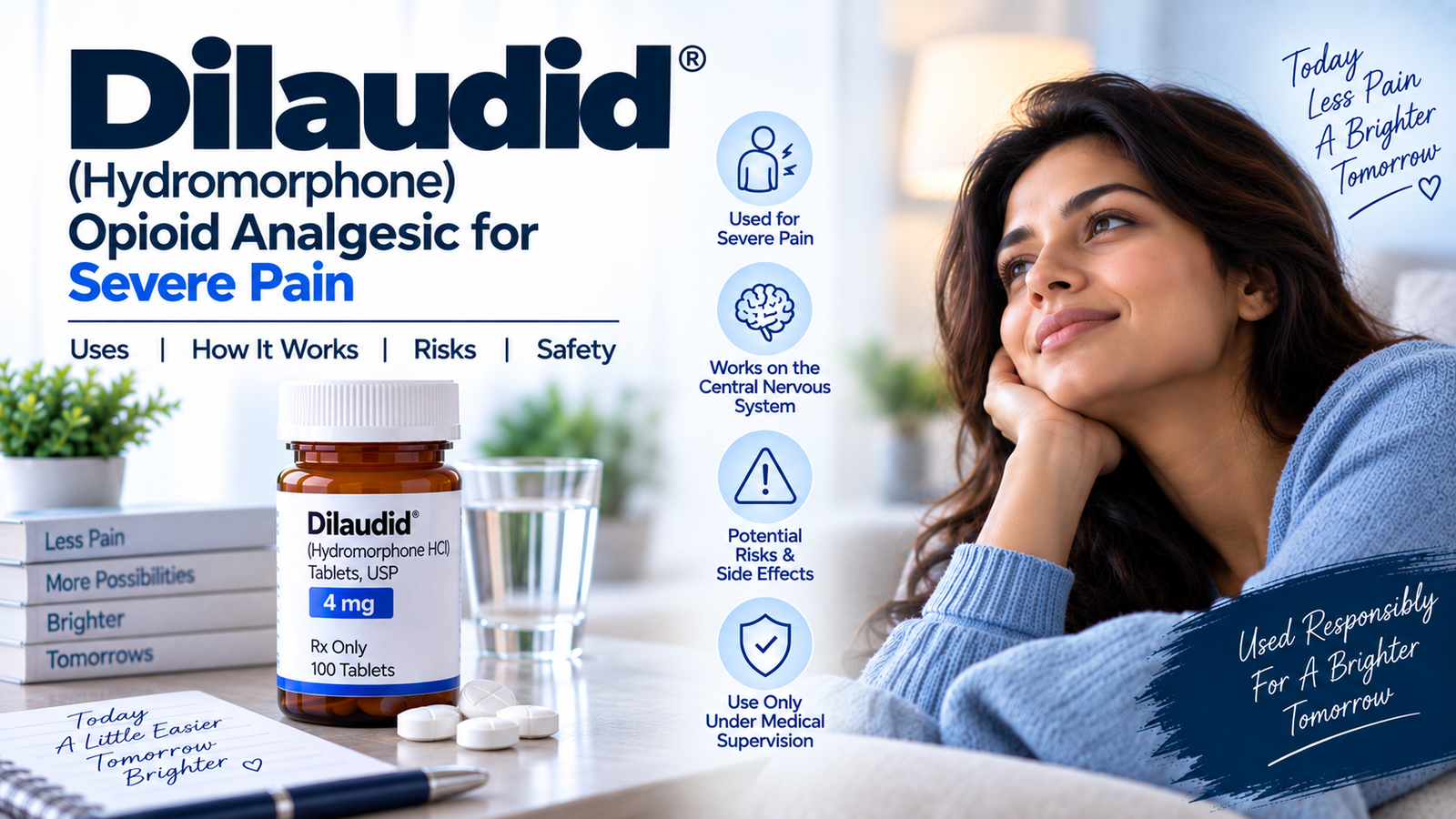
What Is Dilaudid (Hydromorphone)?
Dilaudid is a brand name for hydromorphone, a prescription opioid analgesic used to manage pain severe enough to require an opioid when alternative treatments are inadequate. Hydromorphone works primarily by changing how the brain and nervous system perceive and respond to pain.
Dilaudid is available in different formulations, including oral tablets, oral solution, and injectable forms. The appropriate formulation depends on the clinical situation and the healthcare setting.
Because hydromorphone is a potent opioid, it carries important risks, including respiratory depression, misuse, addiction, overdose, physical dependence, and withdrawal. Current U.S. labeling emphasizes that opioid analgesics should be reserved for situations in which alternative treatments are ineffective, not tolerated, or otherwise inadequate.
Hydromorphone is a Schedule II controlled substance in the United States, reflecting its accepted medical use alongside significant potential for misuse and dependence.

How Does Hydromorphone Work?
Hydromorphone is an opioid agonist. It binds to opioid receptors in the central nervous system and changes the way pain signals are transmitted and perceived.
The result can include:
- Reduced perception of pain
- Reduced emotional response to pain
- Sedation
- Slowed gastrointestinal activity
- Respiratory depression at excessive or unsafe exposure
This central nervous system activity is why hydromorphone can provide substantial relief for severe pain, but it is also responsible for potentially serious adverse effects.
Unlike a simple over-the-counter pain reliever, hydromorphone affects several neurological and physiological systems simultaneously. This makes careful prescribing, dosing, monitoring, and storage particularly important.
What Is Dilaudid Used For?
1. Severe Pain
The primary U.S. indication for Dilaudid and other approved hydromorphone formulations is pain severe enough to require an opioid analgesic when alternative treatments are inadequate.
Depending on the formulation and clinical setting, hydromorphone may be used for severe acute pain, postoperative pain, or other situations in which a clinician determines that an opioid is medically appropriate.
The FDA labeling specifically states that opioid analgesics such as Dilaudid should be reserved for patients for whom alternative treatment options are ineffective, not tolerated, or otherwise inadequate.
2. Hospital-Based Pain Management
Injectable hydromorphone may be used in hospitals or other healthcare settings when rapid or controlled opioid analgesia is needed.
Dilaudid injection can be administered intravenously, intramuscularly, or subcutaneously under appropriate medical supervision.
3. Pain When Other Treatments Are Inadequate
Hydromorphone isn’t simply selected because pain is present. The prescribing decision involves considering the severity of pain, previous treatments, expected benefits, risks, medical conditions, other medications, and the patient’s response.
The FDA’s updated opioid labeling emphasizes that serious risks can occur even during appropriate medical use and that long-term opioid treatment requires careful consideration and monitoring.
Dilaudid Dosage and Forms
Dilaudid is available in multiple formulations, and dosing differs substantially depending on the formulation, route of administration, previous opioid exposure, age, medical condition, and other factors.
Available forms can include:
- Dilaudid tablets
- Dilaudid oral solution
- Dilaudid injection
- Other hydromorphone products and formulations
The current U.S. Dilaudid labeling includes specific warnings about medication errors with oral solutions because different hydromorphone liquid concentrations can create confusion between milligrams and milliliters. Such errors can result in accidental overdose and death.
For this reason, patients should use hydromorphone only exactly as prescribed and should never independently increase the amount or frequency.
Hydromorphone dosing is particularly individualized in people who are older, medically fragile, have kidney or liver impairment, or have previously received other opioids.
Do not use a dose intended for another person. Do not convert from another opioid yourself. Opioid potency and patient response can vary considerably, and opioid-to-opioid conversions require clinical judgment.
Common Dilaudid Side Effects
Hydromorphone can cause several expected opioid-related effects.
Common or relatively frequent effects can include:
- Nausea
- Vomiting
- Constipation
- Drowsiness
- Dizziness
- Dry mouth
- Sweating
- Itching
- Flushing
- Weakness
- Mood changes
MedlinePlus specifically lists nausea, vomiting, sweating, flushing, itching, and dry mouth among possible side effects.
Some effects may become less troublesome as the body adjusts, but persistent, severe, or unusual symptoms should be discussed with a healthcare professional.
Serious Risks of Dilaudid
1. Respiratory Depression
Life-threatening respiratory depression is one of the most important risks of hydromorphone.
Respiratory depression means breathing becomes unusually slow, shallow, irregular, or inadequate.
The risk can be especially important:
- When treatment is first started
- After a dosage increase
- When hydromorphone is combined with other sedating drugs
- In older or medically fragile patients
- In people with certain respiratory disorders
- Following accidental ingestion or overdose
The current FDA labeling warns that serious, life-threatening, or fatal respiratory depression may occur, particularly during initiation and after dosage increases.
Signs of possible opioid overdose include:
- Very slow or stopped breathing
- Extreme sleepiness or inability to wake
- Unresponsiveness
- Pinpoint pupils
- Blue or gray lips or fingernails
- Weak pulse
- Loss of consciousness
A suspected opioid overdose is a medical emergency. Call emergency services immediately and administer naloxone if available and appropriate.
2. Addiction, Misuse, and Opioid Use Disorder
Hydromorphone can cause misuse, addiction, and physical dependence.
The FDA’s boxed warning states that Dilaudid exposes patients and other users to risks of opioid addiction, abuse, and misuse, which can lead to overdose and death.
Addiction and physical dependence are not exactly the same thing.
Physical dependence means the body adapts to the medication, so abrupt reduction can cause withdrawal symptoms.
Addiction involves a problematic pattern of use characterized by impaired control and continued use despite harmful consequences.
A person can develop physical dependence without having opioid use disorder.
Dilaudid and Respiratory Depression From Drug Interactions
Certain medications and substances can significantly increase hydromorphone’s sedating and respiratory-depressant effects.
Benzodiazepines
Examples include:
- Alprazolam
- Clonazepam
- Diazepam
- Lorazepam
Combining opioids with benzodiazepines can result in profound sedation, respiratory depression, coma, and death. Current Dilaudid labeling recommends reserving such combinations for circumstances in which alternative treatments are inadequate and using appropriate precautions.
Alcohol
Alcohol can also increase central nervous system depression.
Combining alcohol with hydromorphone may increase the risk of:
- Severe drowsiness
- Impaired coordination
- Respiratory depression
- Loss of consciousness
- Overdose
Patients taking Dilaudid should discuss alcohol use with their healthcare professional and follow the medication’s safety instructions.
Other CNS Depressants
Other potentially sedating substances can also increase risk. These may include certain sleep medicines, sedating antihistamines, muscle relaxants, gabapentinoids, and other medications.
The FDA has specifically emphasized risks associated with opioid interactions with CNS depressants and other medications.
Dilaudid and Naloxone
Naloxone is an opioid antagonist that can rapidly reverse opioid-related respiratory depression during an overdose.
The CDC recommends that clinicians consider offering naloxone to patients prescribed opioids, particularly when overdose risk is elevated. Risk factors include a history of overdose, substance use disorder, sleep-disordered breathing, higher opioid dosages, and concurrent benzodiazepine use.
Family members and caregivers can also benefit from knowing how to recognize an opioid overdose and use naloxone.
If naloxone is administered for a suspected overdose, emergency medical care is still required, because its effects may wear off while the opioid remains active.
Dilaudid and Withdrawal
Regular opioid use can cause physical dependence.
Abruptly stopping hydromorphone after continued use can produce withdrawal symptoms such as:
- Anxiety or restlessness
- Sweating
- Runny nose
- Muscle aches
- Abdominal cramps
- Nausea
- Vomiting
- Diarrhea
- Insomnia
- Increased heart rate
The appropriate reduction strategy depends on the individual and the duration and pattern of opioid use.
The FDA has emphasized that opioid discontinuation should be individualized and that abrupt discontinuation or rapid dose reduction can cause significant harm.
Do not suddenly stop regularly used hydromorphone without medical guidance.
Dilaudid and Pregnancy
Hydromorphone can cross the placenta.
Regular opioid use during pregnancy can expose the fetus to opioids, and prolonged opioid exposure during pregnancy can result in neonatal opioid withdrawal syndrome (NOWS) after birth. Current Dilaudid labeling specifically warns about this risk.
Pregnant patients taking hydromorphone should discuss treatment with their healthcare professional rather than abruptly stopping the medication.
Dilaudid While Breastfeeding
Hydromorphone can pass into breast milk.
Because opioids may cause sedation or breathing problems in infants, breastfeeding decisions should be discussed with a healthcare professional familiar with the patient’s medication regimen and the infant’s circumstances.
The FDA labeling includes lactation information for Dilaudid and advises consideration of the potential effects on the breastfed infant.
Who May Need Extra Caution With Hydromorphone?
Certain people may require additional assessment or monitoring before and during hydromorphone treatment.
These include people with:
- Chronic respiratory disease
- Sleep-disordered breathing
- Kidney impairment
- Liver impairment
- Older age or frailty
- Low blood pressure
- Head injury
- Increased intracranial pressure
- Gastrointestinal obstruction
- A history of opioid misuse or overdose
- Concurrent use of sedating medications
Current Dilaudid injection labeling specifically identifies increased respiratory risk in people with chronic pulmonary disease and in elderly, cachectic, or debilitated patients.
Hydromorphone is contraindicated in certain situations, including significant respiratory depression and known or suspected gastrointestinal obstruction.
Hydromorphone and Constipation
Constipation is a common opioid-related problem.
Hydromorphone slows gastrointestinal movement, which can make stools harder to pass.
Patients receiving hydromorphone should discuss prevention and treatment of opioid-related constipation with their healthcare professional, particularly if treatment continues beyond a short period.
Severe abdominal pain, persistent vomiting, inability to pass stool or gas, or other signs of intestinal obstruction require prompt medical assessment.
Opioid-Induced Hyperalgesia
An unusual but important opioid-related phenomenon is opioid-induced hyperalgesia (OIH).
Instead of reducing pain sensitivity, opioid exposure can sometimes contribute to increased pain or increased sensitivity to pain.
The current Dilaudid labeling recognizes opioid-induced hyperalgesia and distinguishes it from opioid tolerance and withdrawal.
If pain unexpectedly worsens during opioid therapy, patients should not automatically increase their dose. The healthcare professional may need to reassess the cause of worsening pain and the treatment strategy.
Dilaudid and Driving
Hydromorphone can cause:
- Drowsiness
- Dizziness
- Slowed reaction time
- Impaired judgment
- Reduced coordination
These effects can make driving or operating machinery unsafe.
Patients should understand how hydromorphone affects them before performing activities that require alertness and coordination.
Combining hydromorphone with alcohol or other sedating medications can increase impairment.
How Should Dilaudid Be Stored?
Hydromorphone should be stored securely and used only by the person for whom it was prescribed.
Accidental ingestion can be particularly dangerous for children and other people who are not accustomed to opioids.
The FDA warns that accidental ingestion of even one dose of Dilaudid oral solution or tablets, particularly by children, can result in fatal overdose.
Because hydromorphone is a controlled substance, patients should also follow applicable medication-storage and disposal instructions.
Unused medication should not be shared with another person.
What Happens in a Dilaudid Overdose?
A hydromorphone overdose can cause profound central nervous system depression and potentially fatal respiratory failure.
Possible symptoms include:
- Very slow or absent breathing
- Extreme sleepiness
- Inability to wake
- Pinpoint pupils
- Cold or clammy skin
- Weak pulse
- Low blood pressure
- Confusion
- Loss of consciousness
- Coma
MedlinePlus identifies slowed, shallow, labored, or absent breathing among the major signs of hydromorphone overdose.
What to do
If an overdose is suspected:
- Call 911 or your local emergency service immediately.
- Administer naloxone if available and appropriate.
- Follow emergency dispatcher’s instructions.
- Stay with the person until emergency responders arrive.
- If the person does not respond or is not breathing normally, follow emergency instructions for rescue breathing/CPR when trained.
Do not assume that someone who wakes after naloxone is fully safe; continued medical evaluation is necessary.
Dilaudid vs. Hydromorphone: What’s the Difference?
Dilaudid is a brand name; hydromorphone is the active drug.
| Term | Meaning |
|---|---|
| Dilaudid | Brand name |
| Hydromorphone | Active opioid medication |
| Drug class | Opioid analgesic |
| Primary U.S. use | Severe pain requiring an opioid when alternatives are inadequate |
| DEA schedule | Schedule II |
| Major safety concern | Respiratory depression and overdose |
| Other major risks | Misuse, addiction, dependence, withdrawal |
Not every hydromorphone product is necessarily branded as Dilaudid. Generic hydromorphone products are also available.
Dilaudid Safety: Key Points to Remember
The most important safety principles include:
- Take hydromorphone exactly as prescribed.
- Never take someone else’s opioid medication.
- Never increase the dose without medical direction.
- Avoid combining it with alcohol unless specifically advised by a healthcare professional.
- Tell your healthcare team about benzodiazepines and other sedating medicines.
- Keep the medication away from children and other household members.
- Know the signs of opioid overdose.
- Ask whether naloxone should be available.
- Do not abruptly discontinue regular opioid therapy without medical guidance.
- Do not drive or operate machinery if the medication impairs alertness.
- Use particular caution with oral liquid formulations because concentration and measurement errors can cause overdose.
Frequently Asked Questions About Dilaudid
What is Dilaudid used for?
Dilaudid, or hydromorphone, is used to manage severe pain that requires an opioid analgesic when alternative treatments are inadequate.
Is Dilaudid an opioid?
Yes. Dilaudid contains hydromorphone, an opioid agonist and prescription opioid analgesic.
Is hydromorphone the same as Dilaudid?
Dilaudid is a brand name for hydromorphone hydrochloride. Hydromorphone is the active medication.
Is Dilaudid addictive?
Hydromorphone can cause misuse, addiction, and physical dependence. The FDA includes addiction, abuse, and misuse in the boxed warning for Dilaudid.
Can Dilaudid stop breathing?
Yes. Excessive opioid exposure can cause severe respiratory depression, which can be fatal. Risk is especially important when treatment is initiated or increased and when hydromorphone is combined with other CNS depressants.
Can you drink alcohol while taking Dilaudid?
Alcohol can increase hydromorphone-related sedation and respiratory depression. Patients should discuss alcohol use with their healthcare professional and follow their prescribing instructions.
Can Dilaudid be taken with benzodiazepines?
The combination can cause profound sedation and respiratory depression and may result in coma or death. It is generally reserved for situations in which alternative treatments are inadequate and requires careful medical oversight.
Does Dilaudid cause constipation?
Yes. Constipation is a common opioid-related effect because opioids slow gastrointestinal movement.
Can Dilaudid cause withdrawal?
Yes. Regular use can lead to physical dependence, and sudden discontinuation can cause withdrawal symptoms. A clinician can determine an appropriate reduction strategy when discontinuation is needed.
Is Dilaudid stronger than other pain medicines?
Hydromorphone is a potent opioid, but comparing opioid strength directly is complicated because potency varies by drug, formulation, route, previous opioid exposure, and individual patient factors. Opioid conversions should be performed by qualified healthcare professionals rather than calculated independently.
Is Dilaudid available as a prescription medication in the United States?
Yes. FDA-approved Dilaudid formulations are prescription opioid medications in the United States. FDA-approved hydromorphone products are intended for use under the supervision of licensed healthcare professionals.
Key Takeaways
Dilaudid (hydromorphone) is a prescription opioid analgesic used for severe pain when an opioid is required and alternative treatments are inadequate.
Its important characteristics include:
- It is an opioid agonist.
- It is used for severe pain.
- It is available in oral and injectable formulations.
- It can cause drowsiness, nausea, vomiting, constipation, and dizziness.
- Serious risks include respiratory depression, overdose, misuse, addiction, and physical dependence.
- Combining hydromorphone with alcohol, benzodiazepines, or other CNS depressants can substantially increase the risk of dangerous sedation and respiratory depression.
- Naloxone can reverse opioid-induced respiratory depression during an overdose, and the CDC recommends considering naloxone for patients at increased overdose risk.
- Regular opioid therapy should not generally be stopped abruptly without appropriate medical guidance.
- Current FDA labeling continues to emphasize careful patient selection, risk assessment, safe dosing, monitoring, and appropriate consideration of alternatives.