-

Blue Zone Habits: 7 Daily Practices of People Who Live to 100
Blue Zones are regions of the world where people consistently live longer, healthier lives than average—often reaching age 90 or…
-

Sarcopenia: Muscle Loss With Age and How to Stop It Starting in Your 40s
Sarcopenia is the gradual loss of muscle mass, strength, and function that happens as people get older. While many adults…
-
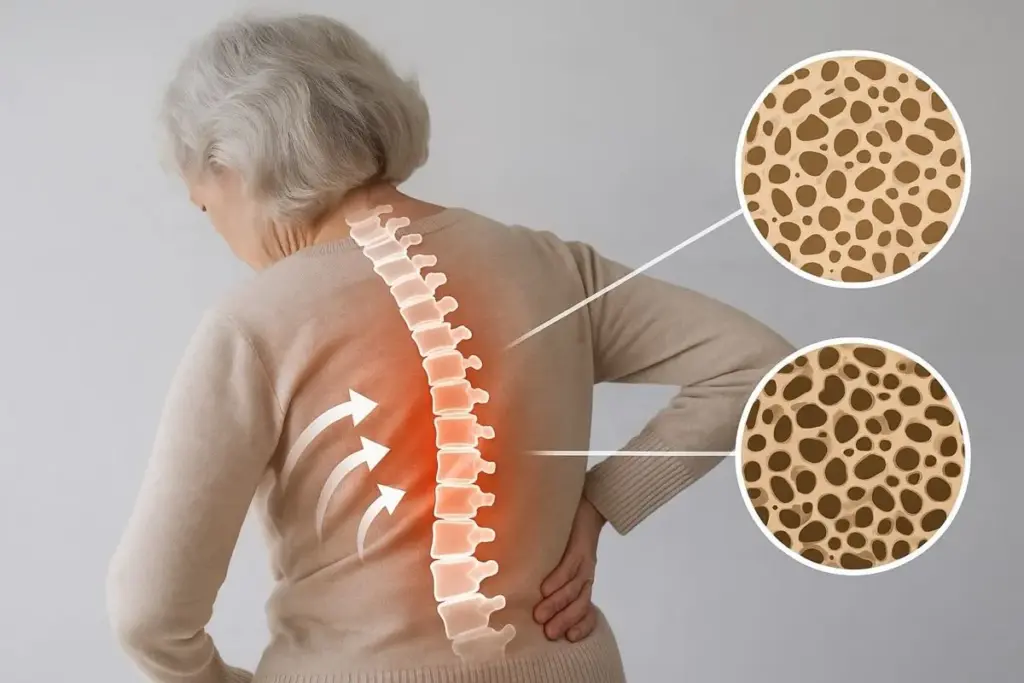
Osteopenia vs Osteoporosis: What’s the Difference and What to Do Now
Osteopenia and Osteoporosis both involve loss of bone density, but they are not the same thing. Osteopenia is considered an…
-
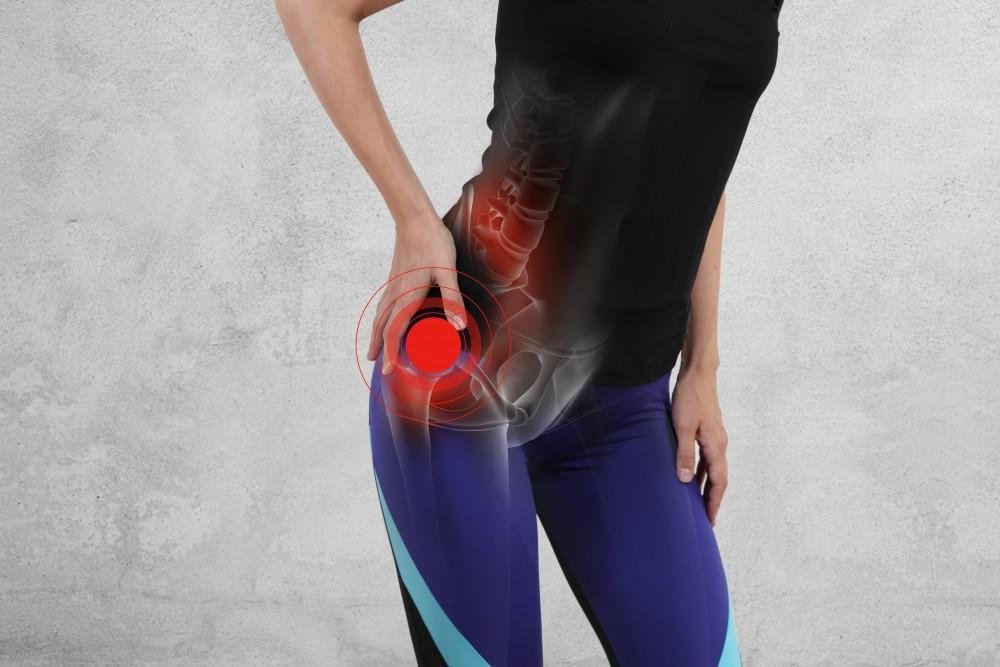
Hip Pain Causes in Adults Over 50: What It Means and How to Fix It
Hip pain becomes increasingly common after age 50, but the cause isn’t always the hip joint itself. Pain may come…
-

High Triglycerides: What Causes Them and How to Lower Them Naturally
Triglycerides are a normal part of your body’s energy system—but when levels get too high, they become a serious risk…
-
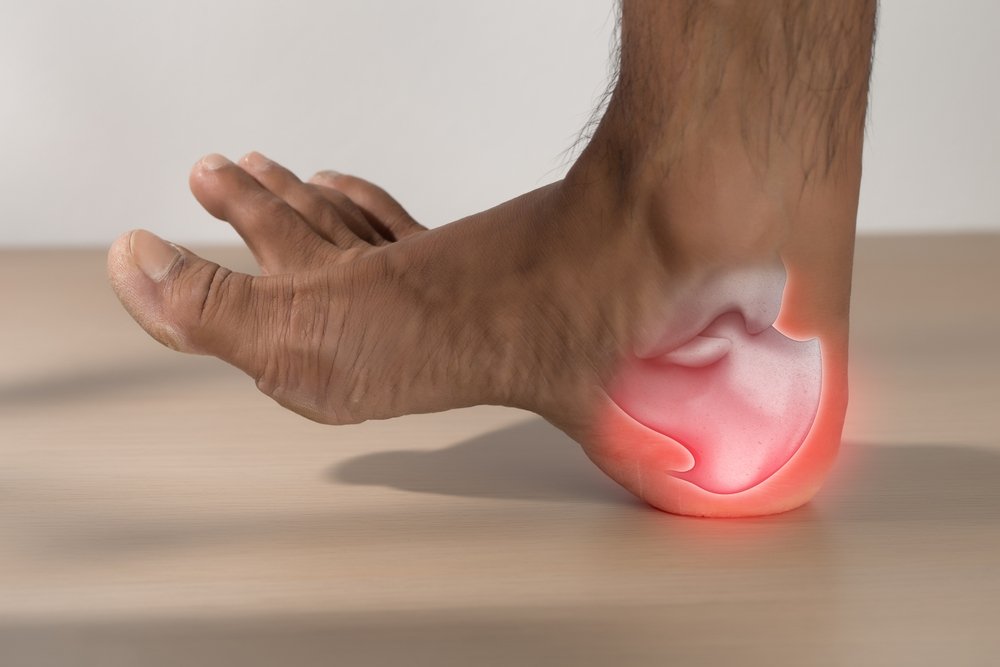
Plantar Fasciitis: The Real Reason Your Heel Hurts (and How to Fix It)
If you feel a sharp, stabbing pain in your heel when you take your first steps in the morning, you’re…
-
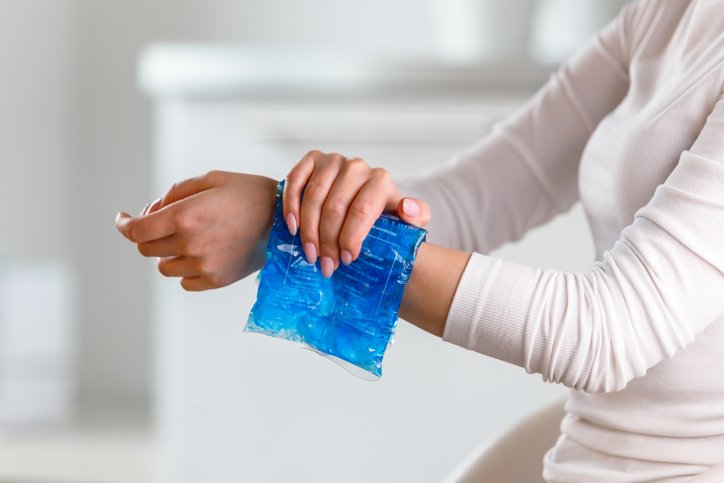
Carpal Tunnel Syndrome: Symptoms, Causes, and How to Treat It at Home
If your hands tingle, go numb, or feel weak—especially at night or while using your phone or keyboard—you may be…
-

Sciatica Pain Relief: Causes, Exercises, and When to See a Doctor
If you’ve ever felt a sharp, shooting pain traveling from your lower back down your leg, you may be dealing…
-
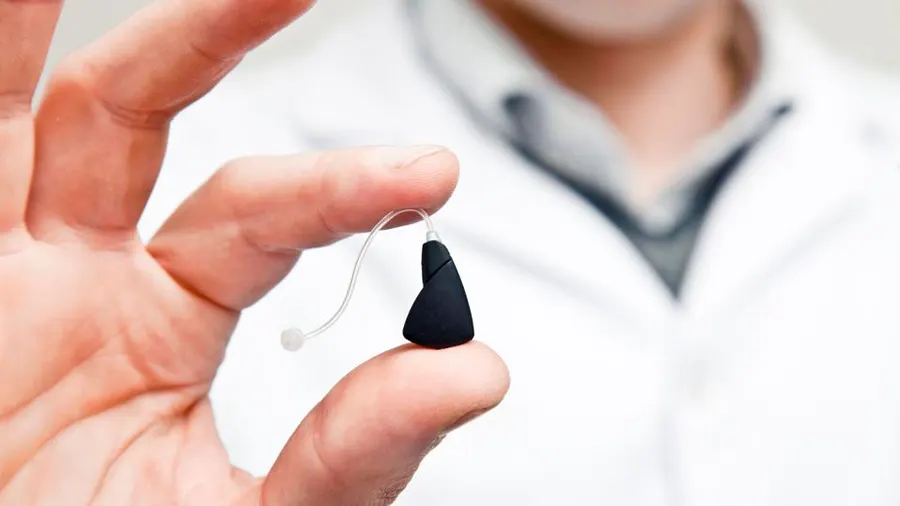
Hearing Aids in 2026: OTC vs Prescription — What’s Actually Worth It?
Hearing loss is more common than most people think—and it’s happening earlier, too. By 2026, hearing technology has evolved fast,…
-

HRT for Menopause: Benefits, Risks, and Who Should Consider It
Hot flashes that hit out of nowhere. Night sweats that ruin your sleep. Mood swings, brain fog, and a body…
Latest Posts
-

Lorazepam: Benzodiazepine for Anxiety, Seizures & Sedation — Uses & Safety
What Is Lorazepam? Lorazepam is a prescription benzodiazepine medication that…
-
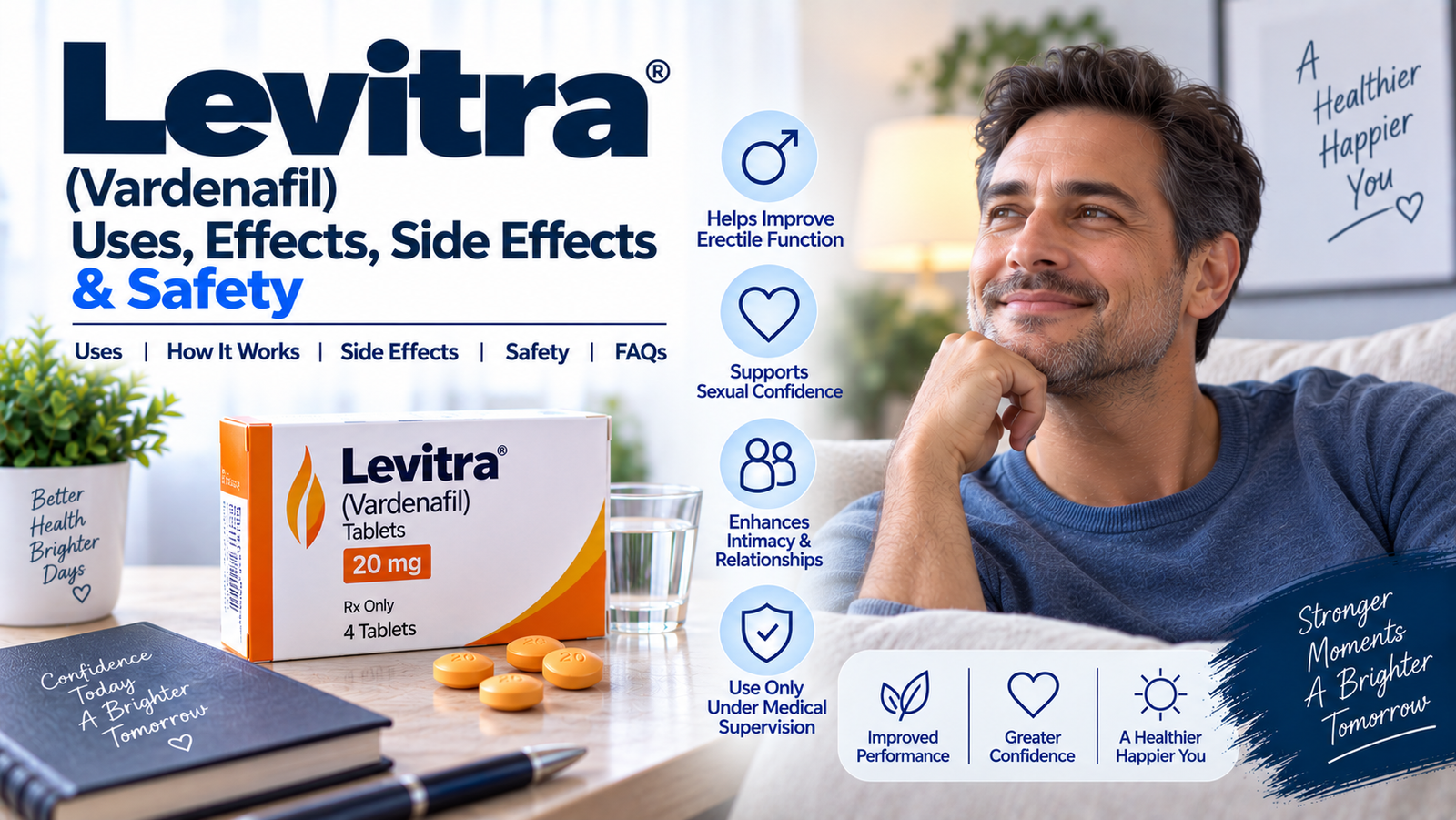
Levitra (Vardenafil): PDE-5 Inhibitor for Erectile Dysfunction — Uses, Effects & Safety
What Is Levitra (Vardenafil)? Levitra is the brand name associated…
-
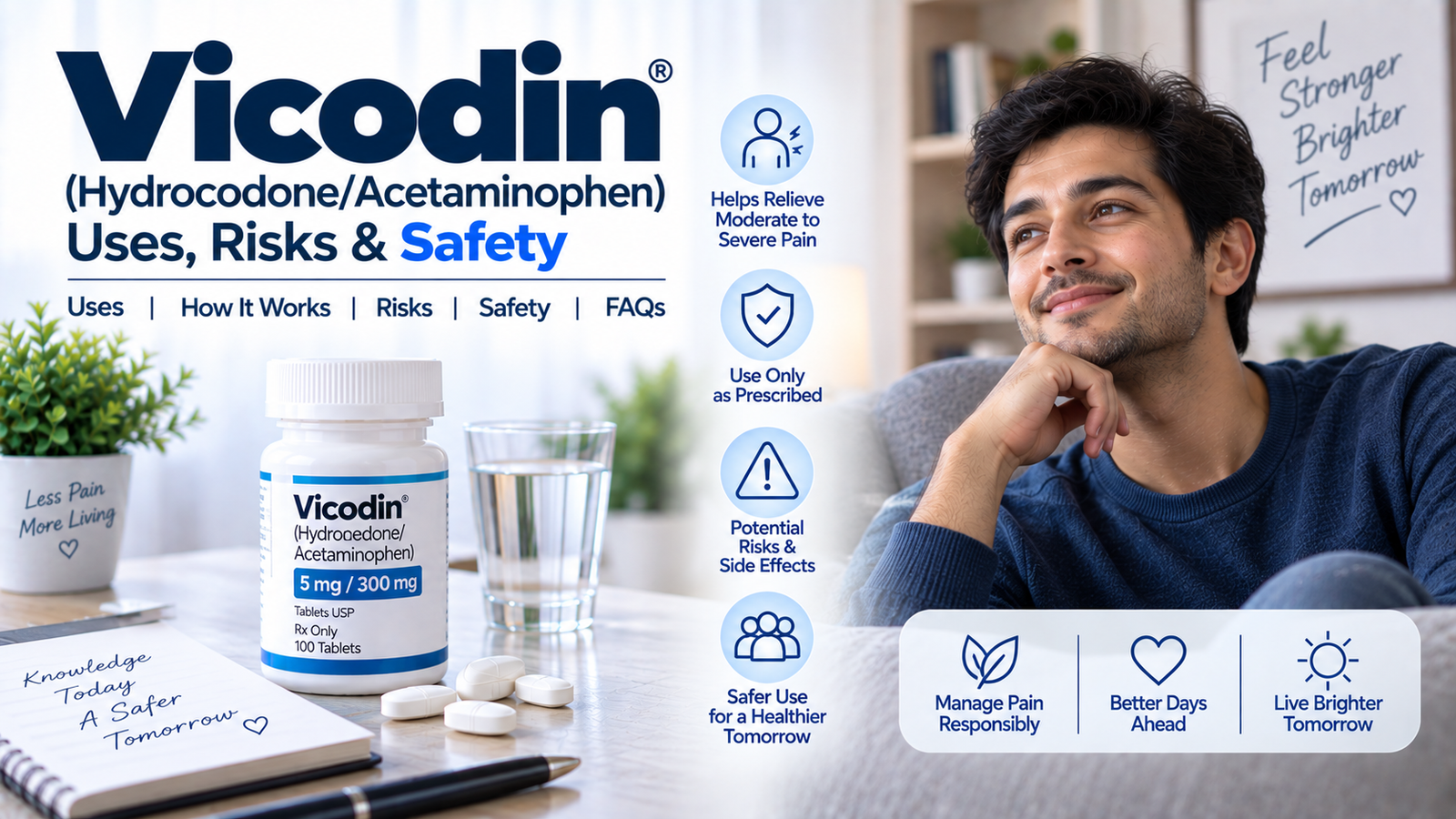
Vicodin (Hydrocodone/Acetaminophen): Opioid Combination for Moderate-to-Severe Pain — Uses & Safety
What Is Vicodin? Vicodin is a prescription combination pain medication…