-

Drug Interactions to Know: Dangerous Combinations Your Pharmacist Checks
Millions of Americans take multiple medications every day, especially adults over 40. But many people don’t realize that combining certain…
-

Health Screening Tests Every Adult Should Have by Age 40, 50, and 60
Preventive health screenings can help detect serious conditions before symptoms appear. Many diseases—including Type 2 Diabetes, Heart Disease, and several…
-
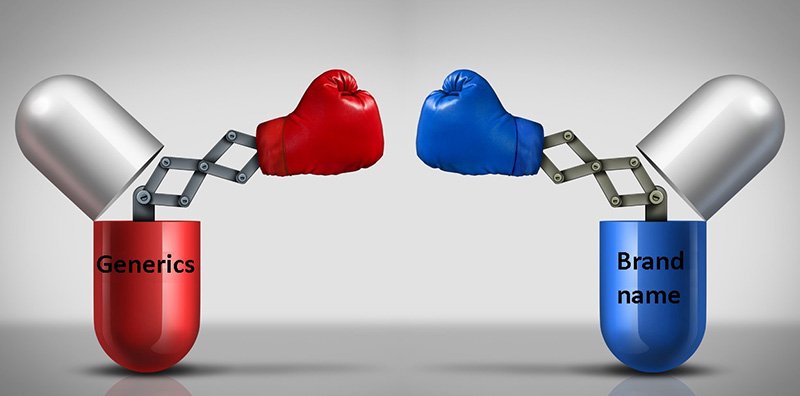
Generic vs Brand Name Drugs: Are Generics Really the Same?
Many Americans wonder whether generic medications work as well as brand-name drugs. Some people switch to generics without noticing any…
-

How to Advocate for Yourself at the Doctor’s Office: What to Say
Many people leave medical appointments feeling rushed, confused, unheard, or unsure what to do next. Modern healthcare can move quickly,…
-

Telehealth vs In-Person Care: When to Use Each and How to Get the Most From It
Telehealth became mainstream during the pandemic, but by 2026 it has become a permanent part of modern healthcare in the…
-
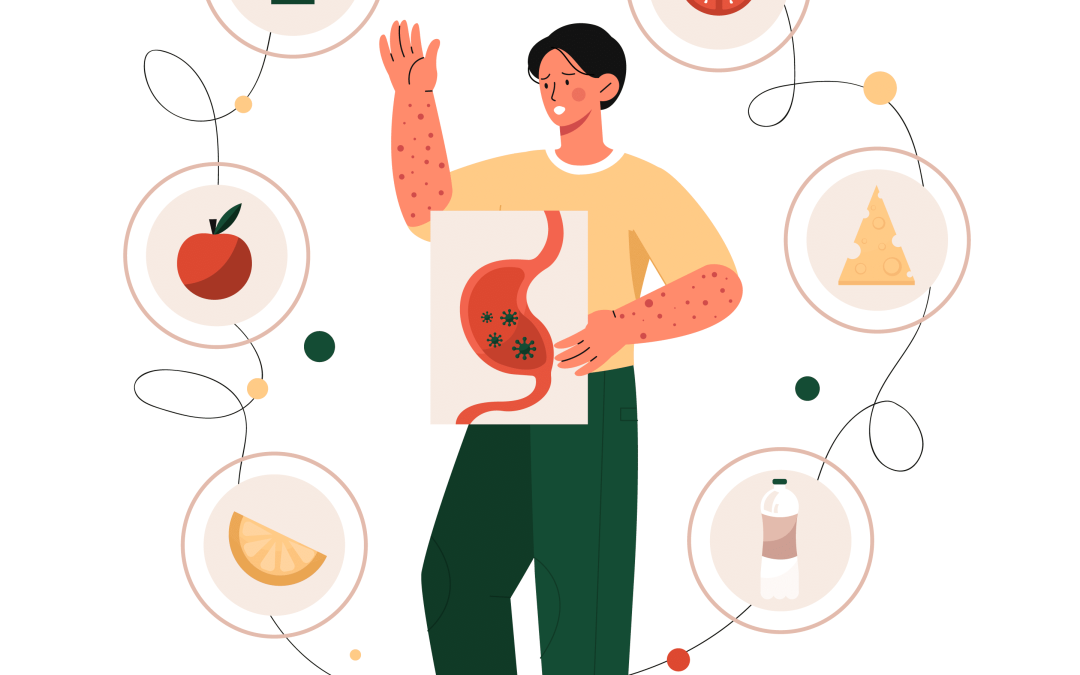
Histamine Intolerance Symptoms: The Hidden Cause of Mystery Reactions
Some people experience unexplained symptoms after eating certain foods—even when allergy tests come back negative. They may develop headaches, flushing,…
-
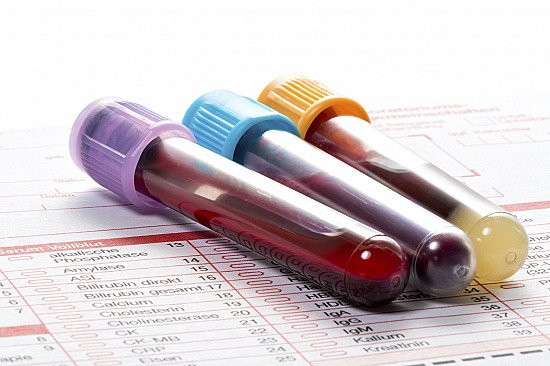
How to Read Your Blood Test Results: What Every Number Actually Means
Getting blood work back can feel overwhelming. Most lab reports contain pages of numbers, abbreviations, and “normal ranges” that are…
-

Mast Cell Activation Syndrome: Symptoms and Why It’s Often Misdiagnosed
Mast Cell Activation Syndrome (MCAS) is a complex condition in which mast cells—immune cells involved in allergic and inflammatory responses—release…
-

Seasonal Allergies Getting Worse Every Year? Here’s Why and What Helps
If your seasonal allergies feel more intense than they used to, you’re not imagining it. Many people across the United…
-

How to Boost Immune System Health Naturally After 40
As people get older, the immune system gradually changes. After 40, many adults notice they don’t recover from illness as…
Latest Posts
-

Lorazepam: Benzodiazepine for Anxiety, Seizures & Sedation — Uses & Safety
What Is Lorazepam? Lorazepam is a prescription benzodiazepine medication that…
-
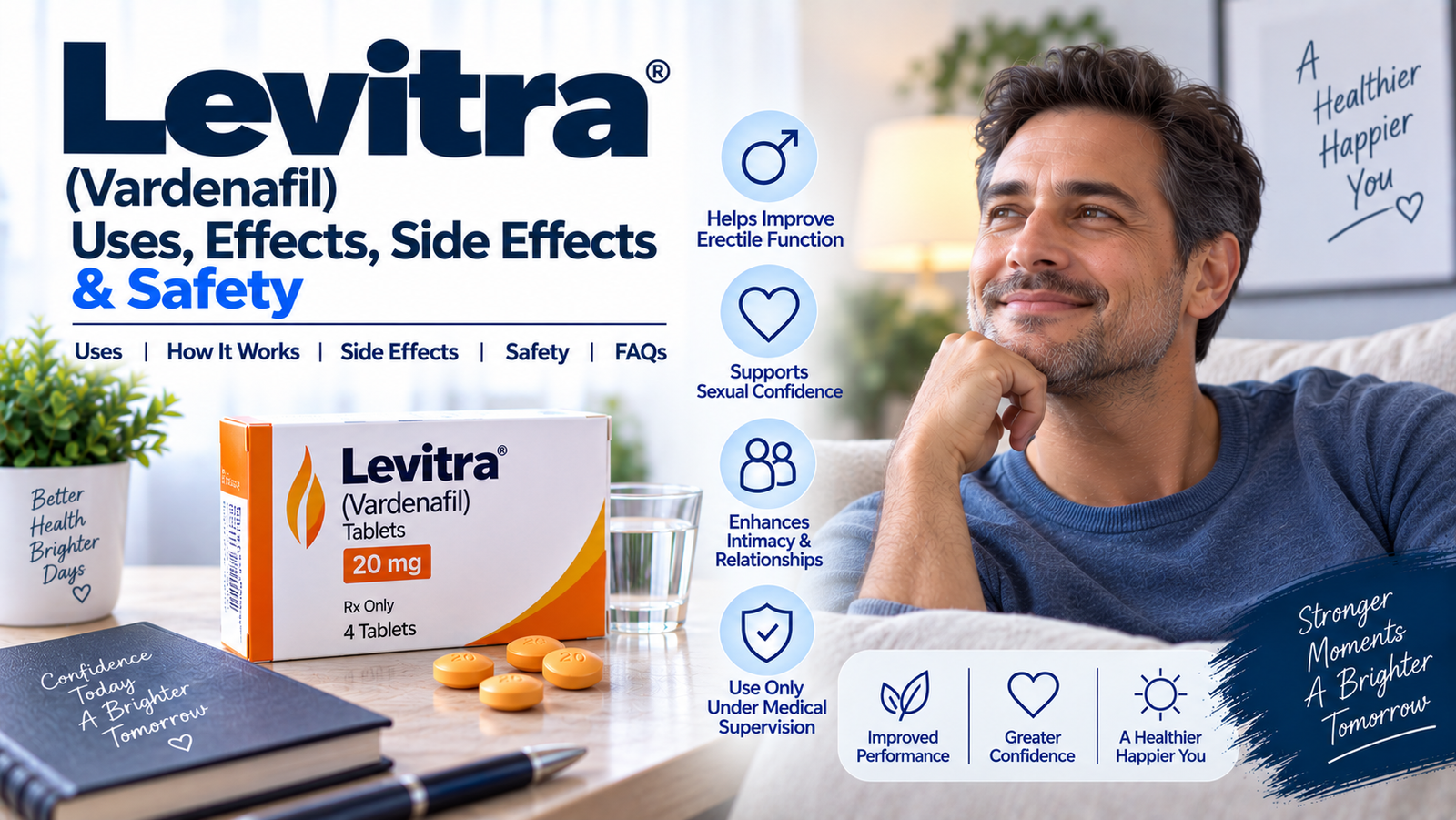
Levitra (Vardenafil): PDE-5 Inhibitor for Erectile Dysfunction — Uses, Effects & Safety
What Is Levitra (Vardenafil)? Levitra is the brand name associated…
-
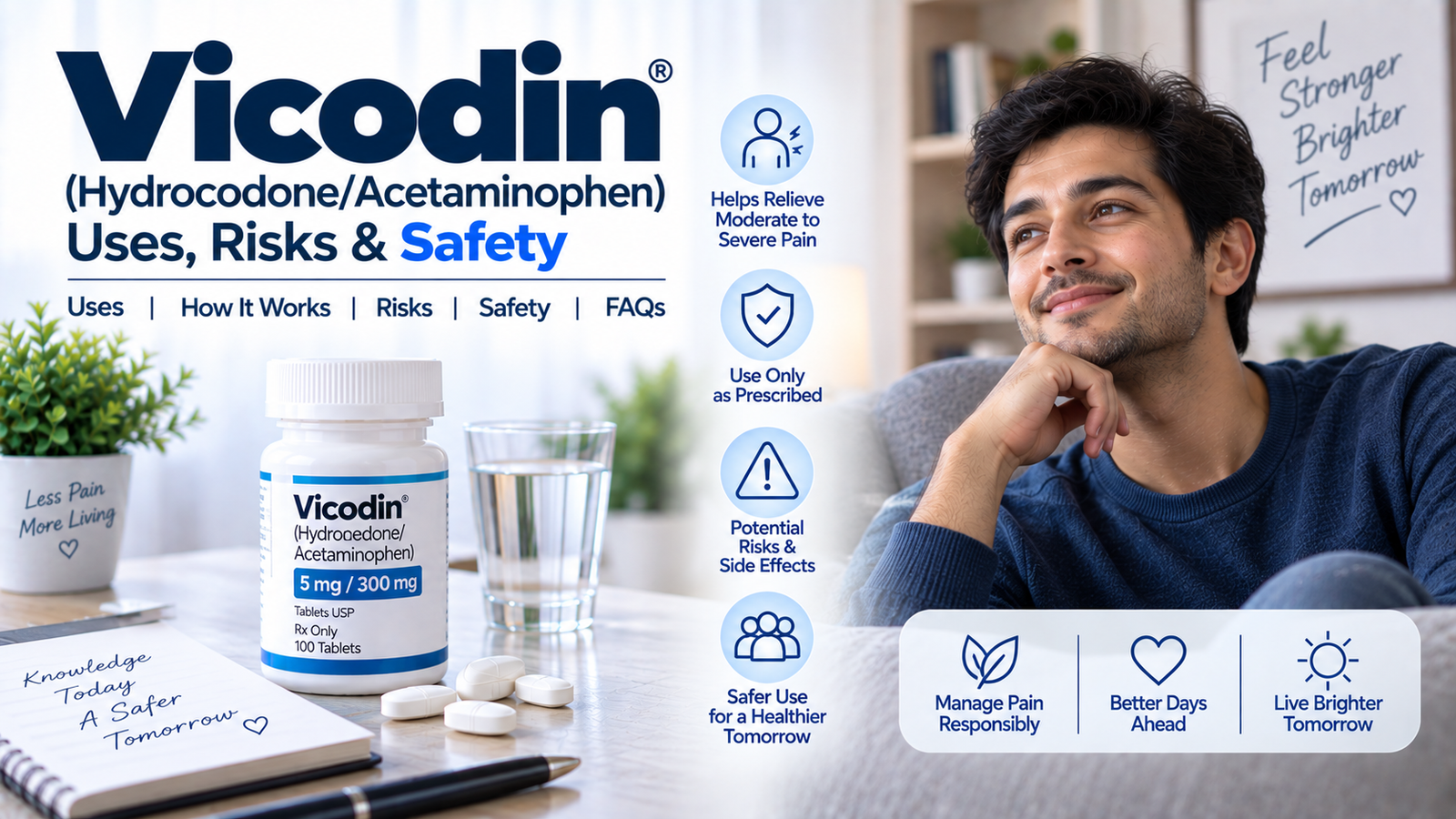
Vicodin (Hydrocodone/Acetaminophen): Opioid Combination for Moderate-to-Severe Pain — Uses & Safety
What Is Vicodin? Vicodin is a prescription combination pain medication…