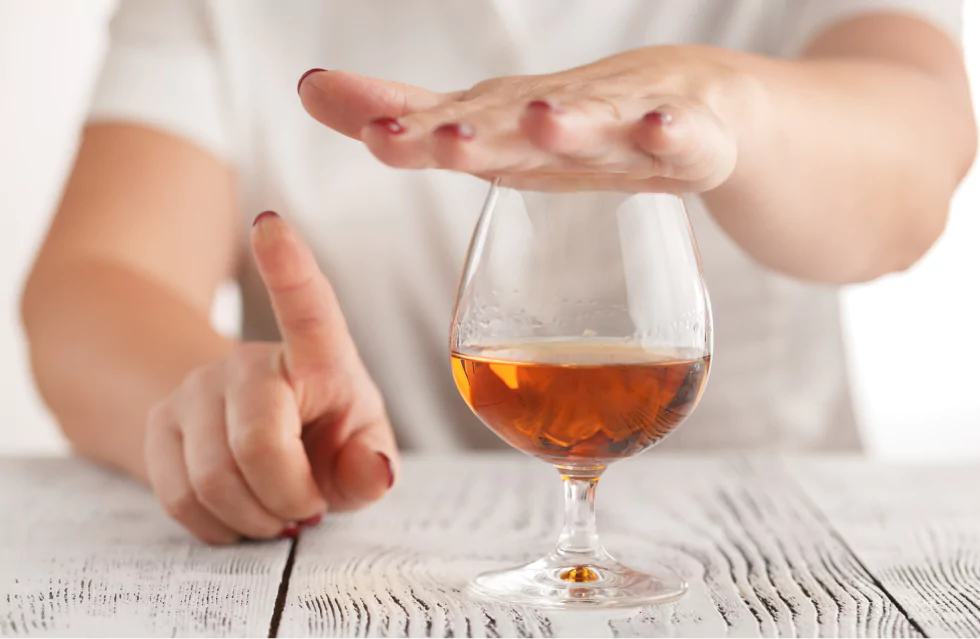
Cutting back on alcohol doesn’t have to mean going to meetings or quitting overnight. Many people successfully reduce their drinking using practical, evidence-based strategies that fit into everyday life. If you’re looking for a realistic approach, here’s what actually works.
First, Know Where You Stand
Before making changes, get clear on your current habits.
- Track how many drinks you have per day or week
- Notice patterns (weekends, stress, social events)
- Compare with guidelines from the National Institute on Alcohol Abuse and Alcoholism, which defines moderate drinking as:
- Up to 1 drink/day for women
- Up to 2 drinks/day for men
If you’re regularly exceeding this, reducing intake can significantly improve your health.
1. Set Clear, Realistic Limits
Vague goals like “drink less” don’t stick. Be specific.
- Decide how many days per week you’ll drink
- Set a drink limit per occasion
- Choose alcohol-free days
Example: “No drinking Monday–Thursday, max 2 drinks on weekends.”
2. Use the “Delay and Distract” Method
Urges often pass within 15–30 minutes.
- Delay your first drink by 20 minutes
- Do something else (walk, shower, call a friend)
- Reassess if you still want it
This builds control instead of relying on willpower alone.
3. Switch What (and How) You Drink
Small changes can cut intake without feeling restrictive:
- Choose lower-alcohol options (light beer, spritzers)
- Alternate each alcoholic drink with water
- Use smaller glasses
You still participate socially—but consume less overall.
4. Identify Your Triggers
Most drinking isn’t random—it’s tied to cues.
Common triggers:
- Stress after work
- Social pressure
- Boredom or loneliness
- Habit (e.g., nightly drink while watching TV)
Once you spot your triggers, you can plan alternatives instead of reacting automatically.
5. Replace the Ritual, Not Just the Drink
For many people, it’s not just alcohol—it’s the routine.
Try:
- Sparkling water with lime in a wine glass
- Herbal tea at night
- Non-alcoholic beer or mocktails
You keep the “feel” of the habit without the alcohol.
6. Eat Before and While Drinking
Drinking on an empty stomach increases both intake and effects.
- Have a balanced meal before drinking
- Include protein and healthy fats
- Snack while drinking
This naturally slows consumption.
7. Plan Ahead for Social Situations
Social events are where most people overdrink.
- Decide your limit before you arrive
- Bring or order a non-alcoholic option
- Practice a simple response: “I’m cutting back for health reasons”
Most people won’t question it as much as you think.
8. Make It Slightly Inconvenient
Environment matters more than motivation.
- Don’t keep large amounts of alcohol at home
- Avoid stocking your “favorite” drink
- Keep alternatives easily available
Less access = fewer impulsive drinks.
9. Track Your Progress
What gets measured improves.
- Use a notes app or journal
- Log drinks honestly
- Notice patterns and improvements
Even small reductions (like 2–3 fewer drinks per week) make a difference.
10. Focus on What You Gain (Not Just What You Cut)
Reducing alcohol often leads to:
- Better sleep
- Improved energy and focus
- Weight management
- Lower blood pressure
- Better mood stability
The Centers for Disease Control and Prevention highlights that cutting back reduces risk for liver disease, heart issues, and certain cancers.
When Cutting Back Isn’t Enough
Sometimes, reducing alcohol is harder than expected. That’s not a failure—it’s information.
You may need extra support if you notice:
- Strong cravings or loss of control
- Withdrawal symptoms (shaking, sweating, anxiety)
- Drinking despite negative consequences
This may indicate Alcohol Use Disorder, which is treatable.
Alternatives to AA (If You Want Support Without Meetings)
If you prefer non-AA approaches, options include:
- Cognitive behavioral therapy (CBT)
- Online or app-based programs
- One-on-one counseling
- Medication (in some cases, prescribed by a doctor)
These approaches focus on behavior change without the 12-step model.
A Realistic Mindset That Works
You don’t need perfection—just progress.
- Aim for reduction, not instant elimination
- Expect slip-ups and adjust
- Focus on consistency over intensity
Bottom Line
You can reduce alcohol intake without AA by using structured, practical strategies—like setting limits, managing triggers, and changing your environment.
The key is making small, repeatable changes that fit your lifestyle. Over time, those changes add up to better health, more control, and a stronger relationship with your habits.