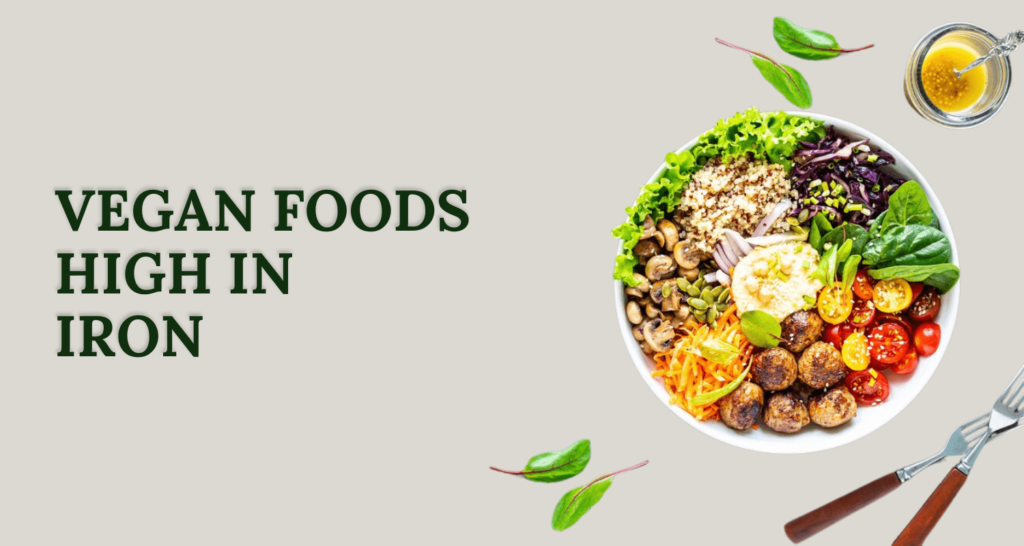
Do you know a well-planned vegan diet can fully meet your daily iron needs?
Many people believe plant-based diets don’t provide enough iron—but that’s a myth.
With the right food choices, vegans can maintain healthy iron levels and reduce the risk of Iron Deficiency Anemia.
In this guide, we’ll explore the best vegan foods high in iron, how iron supports your body, and simple ways to improve absorption naturally.
Key Takeaways
- Vegans can meet iron needs through plant foods
- Iron supports oxygen transport and energy production
- Lentils, tofu, seeds, leafy greens, and whole grains are excellent sources
- Vitamin C improves plant-iron absorption
- Tea and coffee may reduce iron absorption if consumed with meals
Why Iron Is Important for Your Health
Iron plays a vital role in many body functions.
It helps:
- produce hemoglobin (carries oxygen in blood)
- support brain function 🧠
- maintain energy levels
- strengthen the immune system
- support muscle performance
Low iron intake may lead to fatigue, weakness, headaches, and reduced concentration.
Fortunately, plant-based diets can provide enough iron when properly planned.
Can Vegans Get Enough Iron?
Yes—vegans can absolutely meet their iron requirements.
Plant foods contain non-heme iron, which is absorbed slightly less efficiently than animal-based iron. However, absorption improves significantly when combined with vitamin C-rich foods.
Balanced vegan diets often provide adequate or even higher total iron intake compared to non-vegan diets.
Top Vegan Foods High in Iron
Here are some of the best plant-based iron sources to include daily.
1. Blackstrap Molasses
Just 2 tablespoons provide about 7 mg of iron.
Ways to use it:
- add to smoothies
- mix into oatmeal
- use in baking
- stir into warm plant milk
2. Lentils
One of the best vegan iron foods.
Benefits include:
- high iron content
- rich in fiber
- excellent plant protein source
- supports digestion
Use lentils in:
- soups
- stews
- salads
- curries
3. Tofu and Tempeh
Soy-based foods provide both:
- iron
- complete plant protein
Best uses:
- stir-fries
- wraps
- grain bowls
- grilled dishes
Tempeh also improves mineral absorption because it is fermented.
4. Spinach
Cooked spinach is especially rich in iron.
Add spinach to:
- smoothies
- soups
- pasta
- curries
- salads
Cooking improves iron availability compared to raw spinach.
5. Beans
Excellent varieties include:
- kidney beans
- black beans
- chickpeas
- soybeans
They also provide:
- fiber
- protein
- magnesium
Perfect for tacos, soups, salads, and bowls.
6. Swiss Chard
Swiss chard supports iron intake while providing antioxidants and vitamin K.
It works well in:
- sautéed vegetable dishes
- soups
- grain bowls
Other Iron-Rich Vegan Foods
Additional helpful sources include:
Nuts and Seeds
Great options:
- pumpkin seeds
- sesame seeds
- flaxseeds
- almonds
- pine nuts
These also support heart health ❤️
Whole Grains
Iron-rich grains include:
- quinoa
- oats
- amaranth
- spelt
Fortified breakfast cereals can also help meet daily iron needs.
Fruits That Contain Iron
Some fruits contribute small but useful amounts:
- mulberries
- prunes
- black olives
They support overall nutrient balance.
Leafy Greens and Legumes: Powerful Iron Combinations
Leafy greens and legumes together create excellent iron-supporting meals.
Examples:
- spinach + lentils
- kale + chickpeas
- black beans + brown rice
These combinations improve both protein and mineral intake.
Cooked spinach provides about 6 mg of iron per cup, making it one of the best plant sources.
How to Improve Iron Absorption on a Vegan Diet
Simple habits can dramatically increase iron absorption.
Pair Iron Foods with Vitamin C
Vitamin C boosts absorption significantly.
Combine iron foods with:
- oranges 🍊
- strawberries
- tomatoes
- bell peppers
- lemons
Example:
Spinach + lemon juice = better absorption.
Avoid Tea and Coffee with Meals
These drinks contain compounds that reduce iron absorption.
Drink them between meals instead.
Try Soaking and Fermenting Foods
Helpful methods include:
- soaking beans
- sprouting grains
- eating fermented foods like tempeh
These reduce phytates that block mineral absorption.
Cook with Cast-Iron Cookware
Cooking acidic foods like tomatoes in cast-iron pans can slightly increase iron content in meals.
Include Lysine-Rich Foods
Lysine helps support iron utilization.
Sources include:
- legumes
- quinoa
- soy foods
When Are Iron Supplements Needed?
Sometimes supplements may help if blood tests show deficiency.
Consult a healthcare professional before taking iron supplements, especially if symptoms include:
- fatigue
- dizziness
- pale skin
- shortness of breath
Food-first nutrition is always the best approach.
Final Thoughts
A well-planned vegan diet can easily provide enough iron through:
- leafy greens
- legumes
- tofu and tempeh
- nuts and seeds
- whole grains
Combining these foods with vitamin C-rich ingredients helps maximize absorption and supports long-term energy, immunity, and overall wellness 🌿
With smart planning, plant-based eating fully supports healthy iron levels.