

Liver Cirrhosis Early Signs: What Happens Before the Diagnosis
Liver cirrhosis is a serious condition that develops when long-term liver damage causes scar tissue to replace healthy liver tissue. As the scarring increases, the liver may become less effective at filtering the blood, processing nutrients, producing important proteins, and supporting other essential body functions. One of the biggest challenges with cirrhosis is that the…
Liver cirrhosis is a serious condition that develops when long-term liver damage causes scar tissue to replace healthy liver tissue. As the scarring increases, the liver may become less effective at filtering the blood, processing nutrients, producing important proteins, and supporting other essential body functions.
One of the biggest challenges with cirrhosis is that the earliest signs can be difficult to recognize. Some people feel completely normal even when significant liver damage is already present. Others notice vague changes, such as persistent tiredness, reduced appetite, unexplained weight loss, or itchy skin, without realizing that their liver may need medical attention.
Understanding liver cirrhosis early signs symptoms can help people recognize possible warning signals and seek an appropriate medical evaluation. However, these symptoms are not specific to cirrhosis and can have many other explanations.
The important point is that you do not have to wait for obvious symptoms to check your liver health. When risk factors are present, appropriate blood tests, imaging, and medical follow-up can help identify liver disease before serious complications develop.
This guide explains what may happen before a cirrhosis diagnosis, which symptoms deserve attention, what causes liver scarring, and how doctors investigate and manage the condition.
What Is Liver Cirrhosis?
The liver performs hundreds of important functions. It processes nutrients, produces bile, helps regulate blood clotting, stores certain vitamins and minerals, and breaks down medicines and other substances.
When the liver is repeatedly injured, it attempts to repair itself. Over time, ongoing inflammation and repair can produce fibrosis, which means scarring. Cirrhosis is an advanced form of liver scarring that changes the liver’s structure and can interfere with its normal functions.
Several conditions can lead to cirrhosis, including chronic viral hepatitis, alcohol-associated liver disease, and metabolic dysfunction-associated steatotic liver disease, commonly known as MASLD.
Cirrhosis does not develop overnight. It generally progresses over years, although the timeline varies according to the underlying cause and a person’s health.
Early diagnosis matters because treating the cause of liver damage can slow progression and reduce the risk of complications. Some liver damage may improve when the underlying disease is treated, but established cirrhosis is generally difficult to reverse.
Liver Cirrhosis Early Signs Symptoms: What May Appear First?
There is no single symptom that reliably identifies early cirrhosis. In fact, some people have no noticeable symptoms at all.
When symptoms do occur, they may be mild and easy to attribute to stress, a busy schedule, digestive problems, or another health issue.
1. Persistent Fatigue and Low Energy
Unusual tiredness is one possible early symptom of liver disease. A person may feel exhausted even after getting enough sleep or notice that everyday activities require more effort than usual.
Liver disease can affect energy metabolism and may occur alongside inflammation, poor nutrition, anemia, or sleep disturbances. These factors can contribute to fatigue.
However, fatigue is extremely common and is not a reliable indicator of cirrhosis by itself. Sleep problems, iron deficiency, thyroid conditions, infections, and many other issues can cause similar symptoms.
When to pay attention: Arrange a medical evaluation if persistent fatigue is unexplained, continues over time, or occurs alongside other concerning changes such as reduced appetite, unexplained weight loss, or abdominal discomfort.
2. Loss of Appetite
Some people with liver disease notice that they feel less interested in food or become full sooner than they used to.
Changes in appetite can occur for many reasons, including digestive conditions, medication effects, stress, and infections. In liver disease, changes in metabolism and general well-being may contribute.
A lasting reduction in appetite is worth discussing with a healthcare professional, especially if it is accompanied by nausea, weakness, or unintentional weight loss.
3. Unexplained Weight Loss
Unintentional weight loss can occur in people with chronic liver disease, particularly when appetite declines or the body has difficulty maintaining adequate nutrition.
The liver plays a central role in processing nutrients and managing energy stores. Advanced liver disease can also contribute to muscle loss, which may cause a person to feel weaker.
Weight loss alone does not establish a diagnosis of cirrhosis. Many digestive, hormonal, infectious, and other medical conditions can cause it.
If someone is losing weight without trying, a healthcare professional should evaluate the change rather than assuming it is related to diet or activity.
4. Nausea or Mild Digestive Discomfort
Some people with liver disease experience nausea, an unsettled stomach, or discomfort in the upper-right portion of the abdomen, where the liver is located.
These symptoms are nonspecific. Acid reflux, gallbladder disease, medication side effects, and other digestive problems can produce similar sensations.
Persistent nausea or abdominal discomfort deserves medical attention when it does not improve, keeps returning, or occurs alongside other symptoms that may suggest liver disease.
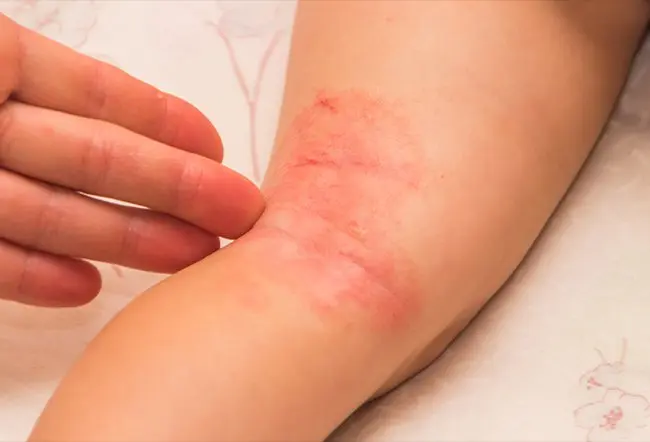
5. Itchy Skin Without an Obvious Rash
Persistent itching can sometimes occur with liver and bile duct conditions. It may affect different parts of the body and may be more noticeable at night.
In some liver conditions, substances associated with bile flow accumulate in the body and contribute to itching. The exact mechanisms vary depending on the underlying disease.
Itching is not proof of cirrhosis. Dry skin, allergies, eczema, medication reactions, and kidney or thyroid disorders can also cause it.
If itching is persistent, widespread, unexplained, or accompanied by yellowing of the eyes or skin, contact a healthcare professional for evaluation.
6. Muscle Weakness or Loss of Muscle
Chronic liver disease can affect how the body processes nutrients and maintains muscle. Some people experience reduced strength or gradual muscle loss.
This can occur alongside poor appetite, inadequate nutrition, inflammation, and changes in metabolism.
Muscle weakness has many possible causes, so it should be assessed in context rather than treated as a liver-specific symptom.
A healthcare professional can help determine whether nutrition, medication effects, another medical condition, or liver disease may be contributing.
7. Mild Discomfort in the Upper-Right Abdomen
The liver sits beneath the right side of the rib cage. Some people with liver disease report discomfort or a feeling of fullness in this area.
However, the liver itself does not always cause pain, even when disease is present. Many people with cirrhosis have no abdominal discomfort at all.
Pain in the upper-right abdomen may also come from the gallbladder, stomach, intestines, muscles, or other nearby structures.
Seek medical advice for recurring or unexplained discomfort. Severe or rapidly worsening pain, particularly with fever, vomiting, or jaundice, needs urgent assessment.
Signs That May Appear as Liver Disease Progresses
As cirrhosis advances, symptoms may become more noticeable. Some changes indicate that the liver is struggling to perform essential functions or that pressure in the blood vessels around it has increased.
These signs require prompt medical attention.
Yellowing of the Skin or Eyes
Jaundice causes the skin or whites of the eyes to look yellow. It develops when bilirubin, a yellow substance produced as red blood cells are broken down, builds up in the blood.
A damaged liver may not process and remove bilirubin effectively. Problems with bile flow can also cause jaundice.
Jaundice can have several causes, including liver inflammation, bile duct obstruction, and certain blood disorders. New yellowing of the eyes or skin should be assessed urgently, rather than waiting to see whether it disappears.
Swelling in the Legs, Feet, or Ankles
Liver disease can contribute to fluid accumulation in the lower body. This swelling, known as edema, may occur when the liver produces less albumin, a protein that helps keep fluid inside blood vessels.
Changes in blood flow associated with cirrhosis can also contribute.
Swelling can have other causes, including heart, kidney, and vein problems. New or persistent swelling should be evaluated, especially if abdominal swelling or other symptoms occur at the same time.
Abdominal Swelling From Fluid Buildup
A growing abdomen does not always mean weight gain. In advanced liver disease, fluid can collect inside the abdominal cavity, a condition called ascites.
Ascites can cause abdominal enlargement, tightness, discomfort, and sometimes shortness of breath.
New abdominal swelling needs prompt medical assessment. In someone with known cirrhosis, fever, new abdominal pain, or worsening illness alongside ascites may signal a serious complication that requires urgent care.
Easy Bruising or Bleeding
The liver produces proteins involved in blood clotting. Advanced liver disease can alter clotting and may also lower platelet counts.
As a result, some people bruise more easily or experience unusual bleeding.
Easy bruising can also be caused by medications, nutritional deficiencies, and blood disorders. A healthcare professional can assess the pattern and determine whether testing is needed.
Dark Urine or Pale Stools
Bilirubin and bile flow affect the color of urine and stool. Dark urine and unusually pale stools may occur when bilirubin builds up or bile does not flow normally into the intestine.
These changes are not specific to cirrhosis, but they can signal a liver or bile duct problem. Contact a healthcare professional promptly, particularly if they occur with jaundice, itching, or abdominal pain.
Spider-Like Blood Vessels or Redness on the Palms
Some people with cirrhosis develop small, spider-shaped blood vessels visible beneath the skin. Redness across the palms can also occur.
These changes may be associated with altered hormone processing and blood vessel changes in liver disease.
They are not diagnostic on their own. Many people with these findings do not have cirrhosis, and some people with cirrhosis do not develop them.
Changes in Concentration, Sleep, or Alertness
Advanced liver disease can allow substances that the liver normally processes to affect the brain. This may lead to hepatic encephalopathy, which can cause difficulty concentrating, altered sleep patterns, confusion, or changes in alertness.
Sudden confusion, unusual drowsiness, or difficulty staying awake in someone with suspected or known liver disease requires emergency medical care.
Why Early Cirrhosis Can Go Undetected
One of the most important facts about cirrhosis is that the absence of symptoms does not rule out liver damage.
The liver has considerable functional reserve. It can continue performing many of its jobs even when some tissue has been damaged or replaced by scar tissue.
This is why early cirrhosis may be discovered during routine blood tests, an ultrasound performed for another reason, or an evaluation for a condition such as fatty liver disease or viral hepatitis.
Blood tests can provide important clues, but normal liver enzyme results do not always exclude advanced fibrosis or cirrhosis. Doctors consider the overall medical history, examination, laboratory findings, and imaging results.
People with known risk factors should discuss appropriate screening and follow-up with a healthcare professional instead of relying solely on symptoms.
What Causes Liver Cirrhosis?
Several conditions can cause repeated liver injury and eventually lead to cirrhosis.
1. Metabolic Dysfunction-Associated Steatotic Liver Disease (MASLD)
MASLD involves excess fat in the liver in association with cardiometabolic risk factors. In some people, the condition progresses to liver inflammation and scarring.
Risk factors can include type 2 diabetes, certain metabolic conditions, and excess body fat. However, not everyone with fatty liver develops cirrhosis.
Managing associated medical conditions and following an individualized care plan can help reduce liver-related risk.
2. Chronic Hepatitis B or Hepatitis C
Hepatitis B and hepatitis C are viral infections that can cause long-term liver inflammation.
Some people with chronic infection have few or no symptoms for years. Without appropriate diagnosis and treatment, ongoing inflammation may cause fibrosis and cirrhosis.
Testing is important when recommended because effective treatments are available for hepatitis C, and hepatitis B can be monitored and treated when indicated.
3. Alcohol-Associated Liver Disease
Long-term alcohol exposure can cause liver inflammation, fat accumulation, and scarring. The risk depends on several factors, including the amount and duration of exposure and individual susceptibility.
Alcohol is not the only cause of cirrhosis, and a person does not have to drink alcohol to develop it.
For anyone diagnosed with alcohol-associated liver disease, stopping alcohol use is an important part of medical care. A healthcare professional can provide appropriate support for doing so safely.
4. Autoimmune Liver Diseases
In autoimmune hepatitis, the immune system mistakenly attacks liver cells and causes inflammation. Other immune-related conditions can damage the bile ducts and contribute to liver scarring.
These conditions may produce subtle symptoms or initially be identified through abnormal blood tests.
Diagnosis usually requires a combination of laboratory tests, medical history, and sometimes specialized testing or a liver biopsy.
5. Genetic and Other Less Common Conditions
Some inherited conditions can lead to liver damage, including hemochromatosis, which involves excess iron accumulation, and Wilson disease, which involves excess copper accumulation.
Certain bile duct disorders, medication-related liver injury, and other chronic liver conditions can also contribute to cirrhosis.
Because the causes differ, treatment must be tailored to the condition responsible for the damage.
Who Is at Higher Risk of Developing Cirrhosis?
A healthcare professional may recommend liver assessment based on a person’s medical history and risk factors.
Factors that can increase concern include:
- Chronic hepatitis B or hepatitis C infection
- A history of long-term heavy alcohol exposure
- Fatty liver disease, especially with type 2 diabetes or other metabolic conditions
- Certain autoimmune or inherited liver disorders
- Previously abnormal liver tests or imaging
- A family history of some inherited liver conditions
Having one or more risk factors does not mean someone has cirrhosis. It means that appropriate assessment may be worthwhile.
A clinician can help determine whether blood tests, viral hepatitis testing, imaging, or further evaluation is appropriate.
How Do Doctors Diagnose Liver Cirrhosis?
There is no single symptom or blood test that confirms every case of cirrhosis. Doctors usually combine several types of information to assess liver health and identify the underlying cause.
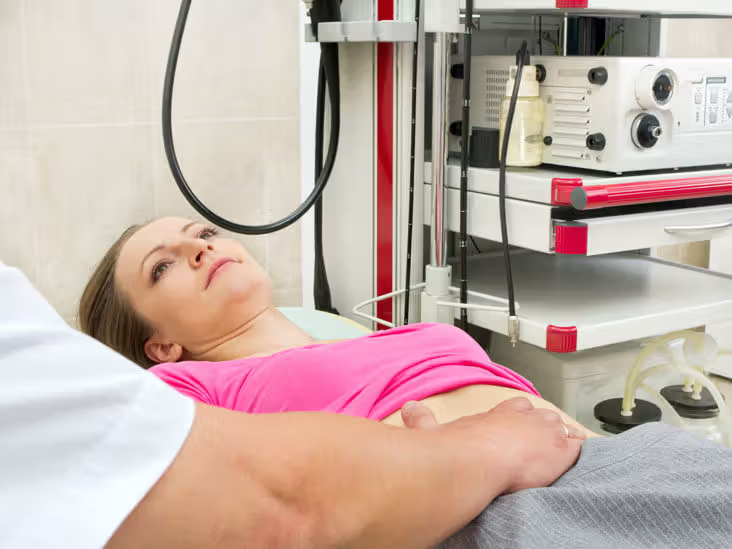
Medical History and Physical Examination
A healthcare professional may ask about symptoms, medications, supplements, alcohol exposure, previous infections, metabolic conditions, and family history.
The examination may look for jaundice, swelling, abdominal fluid, skin changes, or other signs of liver disease.
Blood Tests
Blood tests may include:
- Liver enzymes: ALT and AST can indicate liver cell injury.
- Bilirubin: Helps assess how the body is processing this substance.
- Albumin: Provides information about the liver’s protein production and overall health.
- Complete blood count: Can reveal anemia or a low platelet count.
- Clotting tests: May help assess the liver’s ability to produce certain clotting proteins.
- Kidney function tests: Help evaluate overall health and possible complications.
- Hepatitis tests: May identify viral infections that can damage the liver.
These tests help doctors evaluate the likelihood and severity of liver disease, but results must be interpreted together. Normal enzyme levels do not automatically rule out cirrhosis.
Ultrasound and Other Imaging
An abdominal ultrasound can show liver structure and may identify features that suggest chronic liver disease or complications.
Depending on the findings, doctors may recommend CT or MRI scans. Elastography is another option that measures liver stiffness and can help estimate the degree of fibrosis.
Liver Biopsy
A liver biopsy involves taking a small tissue sample for examination. It is not necessary in every case, but it may be recommended when the diagnosis or underlying cause remains uncertain.
The choice of tests depends on the individual situation and the information needed to guide treatment.
Can Early Liver Cirrhosis Be Treated?
Although established cirrhosis is generally not fully reversible, early diagnosis can make a meaningful difference. Treating the underlying cause may slow further damage, reduce the risk of complications, and help preserve liver function.
Treatment depends on the reason for cirrhosis and the person’s stage of disease.
Examples include:
- Hepatitis C treatment: Modern antiviral medicines can cure hepatitis C in most treated patients.
- Hepatitis B management: Monitoring and antiviral treatment may be appropriate for some people.
- Alcohol-associated liver disease care: Stopping alcohol use and receiving medical support can reduce ongoing injury.
- Metabolic liver disease management: Treating diabetes and other metabolic conditions, alongside sustainable nutrition and activity changes, can support liver health.
- Autoimmune disease treatment: Specialist-directed medicines may control inflammation in certain conditions.
- Monitoring for complications: People with cirrhosis may need regular checks for fluid buildup, enlarged veins that can bleed, and liver cancer.
Some people with advanced disease may need evaluation for liver transplantation.
Treatment should be directed by a qualified healthcare professional. There is no proven liver detox, juice cleanse, or over-the-counter supplement that can remove cirrhosis-related scar tissue.
How to Support Liver Health
Healthy habits can help reduce further liver injury, although they cannot guarantee that cirrhosis will be prevented.
Address Underlying Health Conditions
Follow medical advice for diabetes, high cholesterol, fatty liver disease, and viral hepatitis. Managing these conditions may reduce the risk of ongoing liver damage.
Review Medicines and Supplements
Some prescription medicines, over-the-counter products, and herbal supplements can injure the liver or interact with treatment.
Tell your healthcare professional about everything you take. Do not stop prescribed medication without discussing it with the person who prescribed it.
Avoid Alcohol if You Have Liver Disease
Alcohol can worsen liver injury. People diagnosed with cirrhosis are generally advised to avoid alcohol completely. If alcohol use has become difficult to stop, a healthcare professional can help identify suitable support.
Eat a Balanced Diet
A varied eating pattern with adequate protein and nutrients can support general health. People with advanced liver disease may have specific nutritional needs, so individualized advice is important.
Avoid extreme diets and unproven detox products.
Ask About Hepatitis Prevention
Depending on your medical history, hepatitis A and B vaccination may be appropriate. Ask a healthcare professional whether you need vaccination or testing.
Keep Recommended Medical Appointments
When liver disease is suspected or diagnosed, follow-up appointments and recommended tests help doctors monitor changes and adjust care.
When Should You Seek Medical Attention?
Arrange a medical appointment for persistent unexplained fatigue, ongoing appetite loss, unexplained weight loss, recurring upper-right abdominal discomfort, or persistent itching.
Seek urgent medical assessment for new yellowing of the eyes or skin, rapidly increasing abdominal swelling, or new swelling accompanied by other symptoms.
Call emergency services or seek emergency care immediately for vomiting blood, black tarry stools that may indicate bleeding, sudden confusion, severe unusual drowsiness, fainting, or severe abdominal pain with fever.
These symptoms can signal serious complications and should not be managed with home remedies.
Frequently Asked Questions
1. What are the earliest signs of liver cirrhosis?
Some people have no symptoms in the earliest stages. Possible early symptoms include fatigue, weakness, reduced appetite, unexplained weight loss, nausea, itchy skin, and mild upper-right abdominal discomfort. None of these symptoms alone confirms cirrhosis.
2. Can you have cirrhosis without knowing it?
Yes. Cirrhosis may remain unnoticed for years because the liver can continue functioning despite significant scarring. It may be detected through blood tests, imaging, or evaluation for an underlying liver condition.
3. Does liver cirrhosis always cause pain?
No. Many people with cirrhosis do not experience noticeable liver pain. Some report discomfort or fullness in the upper-right abdomen, but pain is neither necessary for diagnosis nor specific to liver disease.
4. Can normal liver blood tests rule out cirrhosis?
No. Liver enzyme levels may be normal in some people with advanced fibrosis or cirrhosis. Doctors may need additional blood tests, imaging, elastography, or other assessments to evaluate liver health.
5. What is the difference between fatty liver and cirrhosis?
Fatty liver involves excess fat in liver cells. Some people develop inflammation and fibrosis, and a smaller proportion progress to cirrhosis. The conditions are related but are not interchangeable.
6. Can cirrhosis be reversed if it is caught early?
Established cirrhosis is generally difficult to reverse, but treating the underlying cause can slow or sometimes substantially improve aspects of liver disease. The outcome depends on the cause, the degree of damage, and the response to treatment.
7. How is cirrhosis confirmed?
Doctors use medical history, physical examination, blood tests, imaging, and sometimes elastography or a liver biopsy. No single symptom or routine blood test is sufficient in every case.
8. Can a healthy diet prevent cirrhosis?
A balanced diet can support liver health, especially when combined with management of metabolic conditions and avoidance of alcohol when medically indicated. However, diet alone cannot prevent every cause of cirrhosis, including viral, autoimmune, and inherited diseases.
9. Is itching always a sign of liver disease?
No. Itching is common and has many possible causes, including dry skin, allergies, and medication reactions. Persistent unexplained itching, particularly with jaundice or other concerning symptoms, should be assessed.
10. When should someone ask for liver testing?
Testing may be appropriate when symptoms are persistent or unexplained, liver enzymes have been abnormal, a person has chronic viral hepatitis, or other risk factors are present. A healthcare professional can determine which tests are suitable.
Final Takeaway
Recognizing liver cirrhosis early signs symptoms can be challenging because the condition may develop silently. Persistent fatigue, reduced appetite, unexplained weight loss, nausea, and itchy skin can occur in early liver disease, but they are not specific enough to diagnose cirrhosis.
More noticeable signs, such as jaundice, swelling in the legs or abdomen, easy bleeding, and changes in alertness, can indicate more advanced disease and require prompt medical evaluation.
The most important lesson is not to wait for severe symptoms. If you have persistent concerns or risk factors for liver disease, speak with a healthcare professional about appropriate testing. Identifying the cause early and treating it can help protect liver function and reduce the risk of serious complications.
Medical disclaimer: This article is for educational purposes only and does not replace professional medical advice, diagnosis, or treatment.
Related reading
How to Detox Your Liver Safely: What Works vs. What’s a Scam
Primary Biliary Cholangitis: The Liver Disease Most Women Don’t Know They Have
Sources: The National Institute of Diabetes and Digestive and Kidney Diseases (NIDDK) explains cirrhosis — see Cirrhosis for details.




One Comment