
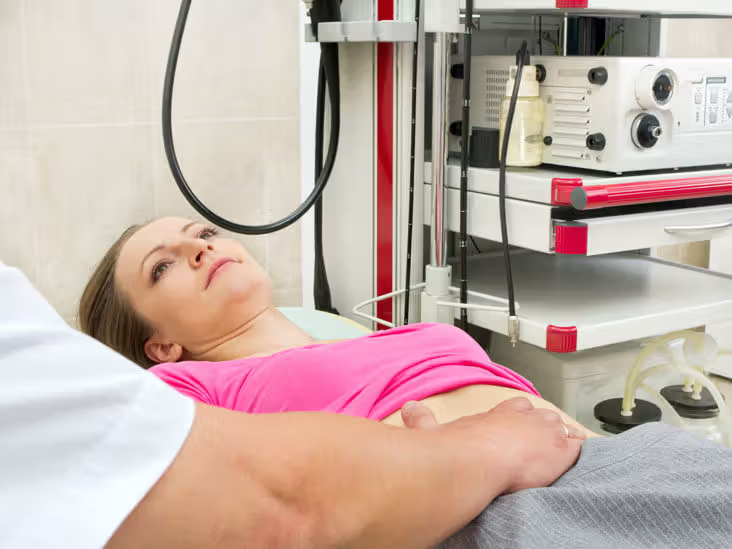
Gallbladder Removal Side Effects: What Life Is Really Like After Cholecystectomy
Gallbladder removal, medically known as a cholecystectomy, is a common operation used to treat painful gallstones and other gallbladder problems. Most people recover well and return to their usual activities without major long-term difficulties. Still, life after surgery can feel different, especially when it comes to digestion. Some people notice changes in bowel movements, bloating…
Gallbladder removal, medically known as a cholecystectomy, is a common operation used to treat painful gallstones and other gallbladder problems. Most people recover well and return to their usual activities without major long-term difficulties. Still, life after surgery can feel different, especially when it comes to digestion.
Some people notice changes in bowel movements, bloating after fatty meals, or diarrhea that was not a problem before surgery. Others can eat their usual foods and barely notice a difference. Understanding the possible gallbladder removal side effects long term can help you know what is normal during recovery, which symptoms deserve medical attention, and how to make everyday meals more comfortable.
The good news is that you can live without a gallbladder. Your liver continues to produce bile, which helps your body digest fats. The main change is how bile reaches your small intestine.
This guide explains what happens after gallbladder removal, which digestive changes may persist, how to manage them, and when to speak with a healthcare professional.
What Happens to Your Body After Gallbladder Removal?
The gallbladder is a small, pear-shaped organ located beneath the liver. Its primary job is to store and concentrate bile, a digestive fluid produced by the liver.
When you eat a meal containing fat, your gallbladder releases stored bile into the small intestine. Bile helps break down dietary fat so your body can absorb it.
After a cholecystectomy, the gallbladder is no longer available to store bile. Instead, bile flows directly from the liver through the bile ducts into the small intestine.
Your body can adapt to this change, but digestion may work a little differently.
For example, a large, high-fat meal may be harder to tolerate shortly after surgery because bile is no longer released from a storage reservoir in response to that meal. Some people experience loose stools, urgency, or bloating as their digestive system adjusts.
Most people do not need a permanently restrictive diet after gallbladder removal. Many eventually return to a varied, balanced eating pattern.
Common Gallbladder Removal Side Effects Long Term
Not everyone experiences lasting symptoms after surgery. When they occur, the effects are often digestive and can range from mild inconvenience to symptoms that need medical evaluation.
1. Diarrhea After Gallbladder Removal
Diarrhea is one of the best-known digestive changes after cholecystectomy. It may begin soon after surgery and improve as your body adjusts. In some people, it continues for months or longer.
One possible explanation is bile acid diarrhea. Because bile continuously enters the intestine rather than being stored in the gallbladder, more bile acids may reach the colon in some people. These acids can stimulate the colon and cause watery stools, urgency, and more frequent bathroom trips.
Symptoms may be more noticeable after meals, particularly meals high in fat.
What may help:
- Eat smaller meals instead of very large portions.
- Reduce greasy or deep-fried foods if they trigger symptoms.
- Increase soluble fiber gradually, using foods such as oats, bananas, and apples.
- Drink enough fluids to replace what you lose through diarrhea.
- Keep a simple food and symptom diary to identify patterns.
If diarrhea persists, disrupts daily life, or causes dehydration, speak with your healthcare professional. Bile acid diarrhea can often be treated with prescription bile acid-binding medicines when appropriate.
Do not assume that ongoing diarrhea is simply a normal consequence of surgery. Other digestive conditions may need to be considered.
2. Bloating and Excess Gas
Some people notice more gas, abdominal fullness, or bloating after gallbladder removal. These symptoms can be related to meal size, food choices, changes in bowel habits, or another digestive issue.
High-fat meals may be a trigger, but individual responses vary. Certain fermentable carbohydrates, carbonated drinks, and eating quickly can also contribute to gas.
Try eating slowly, choosing smaller meals, and limiting foods that consistently make symptoms worse. Avoid eliminating entire food groups unless a healthcare professional recommends it.
Persistent or worsening bloating, especially when accompanied by pain, vomiting, or unexplained weight loss, should be evaluated rather than automatically attributed to surgery.
3. Difficulty Digesting Fatty Foods
Fat digestion can feel different after cholecystectomy, particularly in the first few weeks.
Foods such as fried chicken, creamy sauces, rich desserts, fast food, and heavily buttered dishes may cause loose stools, nausea, or discomfort in some people.
That does not mean your body can no longer digest fat. Your liver still makes bile, and most people can gradually tolerate a broad range of foods.
To make the transition easier:
- Choose moderate portions of fat rather than eating a large amount at once.
- Use cooking methods such as baking, grilling, steaming, or roasting.
- Include sources of unsaturated fat, such as olive oil, nuts, seeds, and avocado, in portions you tolerate.
- Reintroduce richer foods gradually instead of testing several potential triggers in one meal.
The goal is not to eliminate fat completely. Dietary fat provides energy and helps your body absorb vitamins A, D, E, and K. A healthcare professional or registered dietitian can help if your diet has become unnecessarily limited.
4. Abdominal Discomfort or Indigestion
Mild abdominal discomfort, nausea, or indigestion may occur during recovery. However, ongoing pain should not automatically be considered a long-term side effect of gallbladder removal.
Possible causes include reflux, constipation, an ulcer, irritable bowel syndrome, bile duct stones, or another condition unrelated to the surgery.
Some people also experience symptoms similar to those they had before the operation. The term post-cholecystectomy syndrome describes a collection of persistent or new symptoms after gallbladder removal. It is not one specific disease, and it can have several different causes.
If pain continues, returns after initially improving, or interferes with eating or sleeping, arrange a medical evaluation. The cause determines the appropriate treatment.
5. Changes in Bowel Habits
Bowel movements may become more frequent or looser after surgery. Other people experience constipation, particularly during recovery when activity levels change or pain medicines are used.
These changes do not affect everyone, and they are not necessarily permanent.
For constipation, gradual increases in fiber, adequate fluids, and regular movement may help. If you are taking opioid pain medicine, ask your healthcare professional about a suitable constipation-prevention plan.
For frequent loose stools, avoid self-treating indefinitely with over-the-counter medicines. Persistent symptoms deserve an assessment to identify the cause.
6. Weight Changes After Surgery
Some people gain weight after gallbladder removal because they can eat comfortably again after treatment for painful gallstones. Others lose weight temporarily because of reduced appetite, nausea, or digestive discomfort.
Gallbladder removal does not automatically cause weight gain or make weight loss impossible. Weight changes are influenced by overall eating patterns, activity, recovery, medications, and other health factors.
If you are losing weight without trying, struggling to eat enough, or experiencing ongoing digestive symptoms, consult your healthcare professional.
Are Gallbladder Removal Side Effects Permanent?
For most people, major long-term complications are not the expected outcome. Many temporary symptoms improve over days or weeks, although recovery varies according to the type of surgery, the reason for the operation, and individual health.
Some people continue to experience diarrhea, food intolerance, or abdominal discomfort. These symptoms may be manageable, but persistent problems should be investigated because they can have treatable causes.
| Symptom | What may happen over time | When to seek advice |
|---|---|---|
| Loose stools | Often improve; sometimes persist | If ongoing, frequent, or disruptive |
| Bloating or gas | May settle with meal adjustments | If persistent or worsening |
| Fatty-food intolerance | May improve gradually | If it severely limits eating |
| Constipation | May occur during recovery | If persistent or accompanied by significant pain |
| Abdominal pain | Should not be assumed to be normal long term | If recurring, severe, or worsening |
| Unexplained weight loss | Not an expected recovery goal | Arrange medical evaluation |
These patterns are general, not a way to diagnose the cause of symptoms at home.
What Should You Eat After Gallbladder Removal?
There is no single diet that everyone must follow after a cholecystectomy. Your best approach depends on how your body responds and whether you have ongoing symptoms.
Start With Smaller, Balanced Meals
During early recovery, smaller meals may be easier to tolerate than three very large meals. Include foods from different groups rather than relying on a narrow list of foods.
Options that many people find manageable include:
- Oatmeal, rice, and other grains
- Bananas and other fruits you tolerate
- Cooked vegetables
- Lean poultry, fish, eggs, beans, or tofu
- Lower-fat yogurt or other dairy alternatives, depending on tolerance
- Moderate amounts of healthy fats
You do not need to eat only bland foods indefinitely. Expand your food choices as your appetite and comfort improve.
Limit Foods That Trigger Symptoms
Temporarily reducing very greasy meals, deep-fried foods, heavy cream sauces, and large portions of high-fat foods may help if they trigger diarrhea or discomfort.
Pay attention to your own pattern. A food that causes symptoms for one person may be perfectly comfortable for someone else.
Add Fiber Gradually
Soluble fiber can help absorb water in the digestive tract and may improve loose stools for some people. Oats, barley, bananas, apples, and certain beans are useful options.
Increase fiber gradually and drink enough fluids. A sudden increase can worsen gas and bloating.
Stay Hydrated
Frequent diarrhea can lead to fluid loss. Drink water regularly, and seek medical advice if you have persistent diarrhea, dizziness, reduced urination, or other signs of dehydration.
Avoid Unnecessary Food Restrictions
A very low-fat or highly restrictive diet is not automatically required for life after gallbladder removal. If you are avoiding many foods or having trouble meeting your nutritional needs, ask a registered dietitian or healthcare professional for individualized guidance.
How Long Does It Take to Recover From Gallbladder Removal?
Recovery depends partly on whether the operation was laparoscopic or open.
After laparoscopic surgery: Most people return home the same day or after a short hospital stay. Many can resume light activities within several days and return to many usual activities in about one to two weeks, depending on their recovery and the demands of their work.
After open surgery: Recovery generally takes longer. It may take several weeks before a person can comfortably resume normal activities.
Your surgical team should provide specific instructions about lifting, driving, wound care, work, exercise, and follow-up appointments. Follow those instructions rather than relying on a general timeline.
Digestive adjustment may continue after the surgical wounds have healed. If symptoms persist or worsen instead of gradually improving, contact your healthcare professional.
Serious Complications to Know About
Long-term digestive changes are not the same as surgical complications. Although complications are uncommon, it is important to recognize warning signs.
Contact a healthcare professional promptly if you develop:
- Persistent or worsening abdominal pain
- Fever or chills
- Yellowing of the skin or eyes
- Dark urine or unusually pale stools
- Repeated vomiting
- Ongoing diarrhea or difficulty staying hydrated
- Unexplained weight loss
Seek urgent medical care for severe abdominal pain, significant jaundice with illness, fainting, or symptoms that feel rapidly worse.
These signs may indicate a problem such as a retained bile duct stone, bile duct injury, infection, or another condition requiring evaluation. They should not be dismissed as routine adjustment after surgery.
Can You Develop Gallstones After Gallbladder Removal?
The gallbladder itself cannot develop new gallstones once it has been removed. However, stones can occasionally remain in or later develop within the bile ducts.
Bile duct stones may cause upper abdominal pain, jaundice, fever, nausea, or abnormal liver blood tests. Some people have less obvious symptoms.
If symptoms similar to your original gallstone attacks return, contact your healthcare professional. Depending on the situation, evaluation may include blood tests and imaging. Some bile duct stones can be treated using a procedure called endoscopic retrograde cholangiopancreatography (ERCP).
Does Gallbladder Removal Affect Liver Function or Nutrient Absorption?
Gallbladder removal does not usually damage the liver or prevent it from producing bile. The liver continues to make bile, which flows directly into the intestine.
Most people continue to absorb nutrients normally and do not need routine vitamin supplements solely because their gallbladder has been removed.
However, persistent diarrhea or another digestive condition can sometimes affect nutrition. If you have ongoing symptoms, unexplained weight loss, or concerns about vitamin absorption, your healthcare professional can determine whether testing or dietary changes are appropriate.
Do not start high-dose vitamin supplements or bile-related products without discussing them with a qualified healthcare professional.
How to Manage Long-Term Symptoms After Cholecystectomy
If digestive symptoms continue after recovery, a structured approach can help you and your healthcare professional identify the cause.
Step 1: Track symptoms. Record when symptoms occur, what you ate, how often you have bowel movements, and whether pain or nausea is present.
Step 2: Make practical meal adjustments. Try smaller meals and reduce foods that reliably trigger symptoms. Avoid making multiple major dietary changes at once.
Step 3: Arrange a medical review. Discuss symptoms that persist, return, or interfere with daily activities. Your clinician may review your medical history, medications, and surgical details.
Step 4: Consider targeted testing. Depending on your symptoms, a clinician may recommend blood tests, ultrasound or other imaging, stool testing, or evaluation for bile acid diarrhea and other digestive conditions.
Step 5: Use treatment directed at the cause. Treatment may involve dietary adjustments, medication for bile acid diarrhea, or treatment for another identified condition. Not everyone needs medication or additional procedures.
The key is to treat the underlying problem rather than assuming that every digestive symptom is an unavoidable consequence of surgery.
Frequently Asked Questions
1. What are the most common long-term side effects of gallbladder removal?
Possible long-term effects include diarrhea, bloating, gas, difficulty tolerating large fatty meals, and recurring abdominal discomfort. Many people have no lasting symptoms. Persistent problems should be evaluated because some causes are treatable.
2. Can you live a normal life without a gallbladder?
Yes. Most people return to their normal routines and eat a varied diet after recovery. Some need to adjust meal size or fat intake, particularly if certain foods trigger symptoms.
3. Does gallbladder removal cause permanent diarrhea?
Not usually, but diarrhea can persist in some people. Bile acid diarrhea is one possible cause and can often be treated. Consult a healthcare professional if diarrhea continues or disrupts everyday life.
4. Do you have to follow a low-fat diet forever after gallbladder removal?
No. A permanent low-fat diet is not necessary for everyone. Reducing high-fat meals may help during early recovery or if those foods trigger symptoms. Over time, many people can tolerate a balanced diet with moderate amounts of fat.
5. Can you eat eggs after gallbladder removal?
Many people can eat eggs without difficulty. Preparation and portion size may matter if fat triggers symptoms. Try a portion that you tolerate and adjust according to your response.
6. Why does my stomach hurt months after gallbladder removal?
Possible explanations include reflux, bowel conditions, bile duct stones, or other digestive problems. Ongoing pain should not automatically be blamed on surgery. Arrange a medical evaluation, especially if the pain is severe, recurring, or accompanied by fever or jaundice.
7. Can gallstones come back after gallbladder removal?
Gallstones cannot form in a gallbladder that has been removed, but stones can occur in the bile ducts. New or recurring pain, jaundice, fever, or changes in urine or stool color warrant medical assessment.
8. Does gallbladder removal affect life expectancy?
Gallbladder removal itself is not generally expected to shorten life expectancy. A person’s overall health, the condition that led to surgery, and any complications are more relevant to their long-term outlook.
9. When should I call a doctor after gallbladder surgery?
Contact your healthcare professional for persistent diarrhea, recurring abdominal pain, ongoing vomiting, or symptoms that are not improving. Seek urgent care for severe pain, fever with worsening illness, jaundice, or signs of significant dehydration.
Final Takeaway
Understanding gallbladder removal side effects long term can make life after surgery feel less uncertain. Most people adapt well and eventually return to their usual activities and a varied diet. Some experience digestive changes, particularly diarrhea, bloating, or difficulty tolerating large fatty meals.
Small, balanced meals and gradual dietary adjustments can help during recovery. If symptoms continue, however, do not assume you simply have to live with them. Conditions such as bile acid diarrhea and bile duct stones may need specific treatment.
The most useful approach is to pay attention to your symptoms, follow your surgical team’s recovery advice, and seek medical evaluation for persistent or concerning changes.
Medical disclaimer: This article is for educational purposes and is not a substitute for individualized medical advice, diagnosis, or treatment.
Related reading
Gallstones Symptoms: How to Know If You Have Them Before a Crisis
How to Detox Your Liver Safely: What Works vs. What’s a Scam
Sources: MedlinePlus explains gallbladder disease in plain language — see Gallbladder Disease | MedlinePlus for an overview.





One Comment