What Is Vicodin?
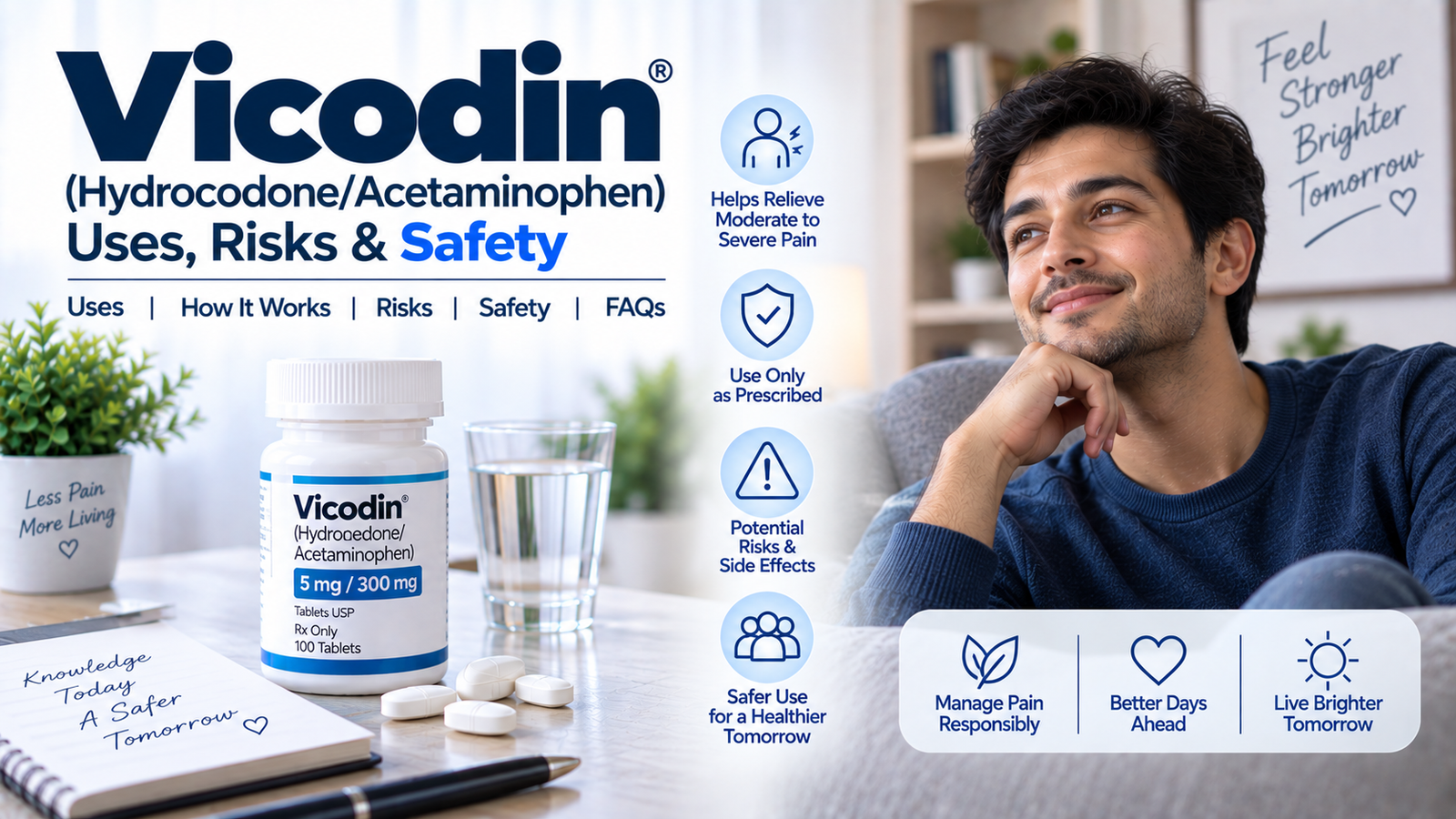
Vicodin is a prescription combination pain medication containing the opioid hydrocodone and the non-opioid pain reliever acetaminophen. Hydrocodone changes how the brain and nervous system respond to pain, while acetaminophen provides additional analgesic activity through a different mechanism. (medlineplus.gov)
The combination has historically been used to manage moderate to moderately severe pain. Current U.S. opioid labeling for hydrocodone/acetaminophen combination products generally describes use when pain is severe enough to require an opioid and alternative treatments are inadequate or not tolerated.
Vicodin contains two pharmacologically different ingredients:
| Ingredient | Role |
|---|---|
| Hydrocodone | Opioid analgesic |
| Acetaminophen | Non-opioid analgesic and fever reducer |
This combination can provide stronger pain relief than either component alone, but it also creates two important safety considerations: opioid-related respiratory depression and dependence, plus acetaminophen-related liver toxicity if too much is taken.
Hydrocodone combination products are controlled substances in the United States. Hydrocodone combination products were moved from Schedule III to Schedule II in 2014.
How Does Vicodin Work?
Vicodin works through the complementary effects of its two active ingredients.
Hydrocodone
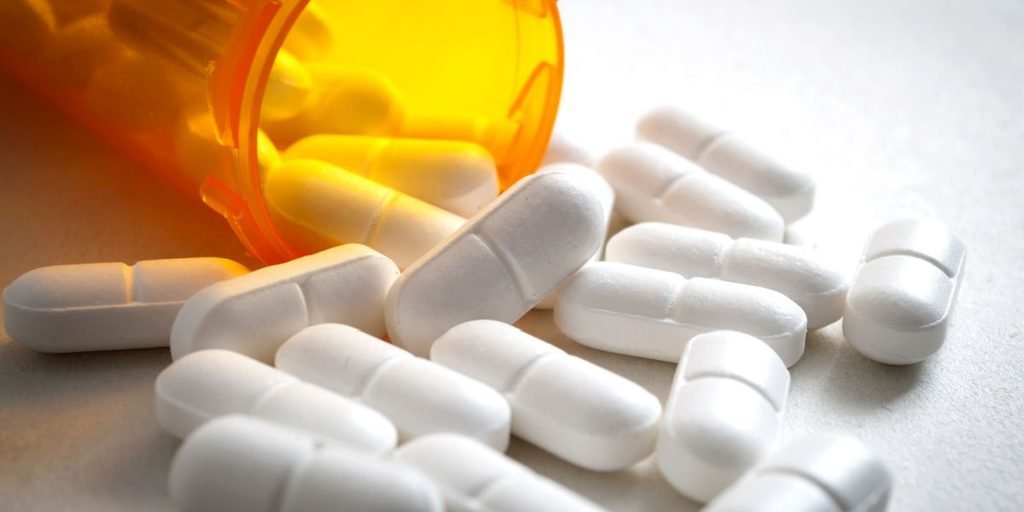
Hydrocodone is an opioid analgesic. It binds to opioid receptors in the central nervous system and changes the way the brain and nervous system perceive and respond to pain. (medlineplus.gov)
Acetaminophen
Acetaminophen is a non-opioid analgesic and antipyretic. It contributes additional pain-relieving activity without producing the same opioid mechanism as hydrocodone.
The combination can therefore be summarized as:
Hydrocodone → opioid receptor activity → altered pain perception
Acetaminophen → additional analgesic activity → enhanced overall pain relief
Because hydrocodone affects the central nervous system, it can also cause sedation and respiratory depression.
What Is Vicodin Used For?
1. Moderate-to-Severe Pain
Hydrocodone/acetaminophen combination medicines have been used for the relief of moderate to moderately severe pain. Historical Vicodin labeling specifically identified this indication.
Examples of situations in which an opioid combination may be considered include certain:
- Acute injuries
- Surgical or postoperative pain
- Dental procedures
- Other painful conditions where non-opioid treatments are inadequate
Current CDC guidance emphasizes maximizing non-opioid and non-pharmacologic treatments when appropriate and using opioids only when the expected benefits for pain and function are expected to outweigh the risks.
Vicodin Dosage and Strengths
Vicodin and historical Vicodin-branded products have existed in different hydrocodone/acetaminophen strengths.
Older branded formulations included:
- Vicodin: hydrocodone 5 mg / acetaminophen 300 mg
- Vicodin ES: hydrocodone 7.5 mg / acetaminophen 300 mg
- Vicodin HP: hydrocodone 10 mg / acetaminophen 300 mg
These historical formulations should not be confused with currently available generic hydrocodone/acetaminophen products, which may have different strengths and labeling.
The exact dose prescribed depends on:
- Severity of pain
- Previous opioid exposure
- Age
- Other medications
- Liver function
- Kidney function
- Response to treatment
- Risk factors for opioid-related complications
Patients should take only the amount prescribed.
Do not increase the dose because pain persists without contacting the prescriber.
The Acetaminophen Issue: Why the Combination Requires Extra Attention
One of the distinctive safety issues with Vicodin is that it contains acetaminophen.
Acetaminophen is found in hundreds of prescription and OTC medicines. Taking multiple acetaminophen-containing products can unintentionally result in excessive total exposure. (fda.gov)
Too much acetaminophen can cause severe liver damage, liver failure, and death.
Therefore, someone prescribed hydrocodone/acetaminophen should check other medicines for acetaminophen before taking products such as:
- Tylenol
- Some cold and flu medicines
- Other prescription pain medicines
- Some sleep or allergy products
The FDA states that the maximum total amount of acetaminophen from all sources for adults and children 12 years and older should not exceed 4,000 mg in 24 hours, although individual medical circumstances may require a lower limit.
Do not use the FDA maximum as an individualized dosing target. Follow the directions for the specific prescription and ask a healthcare professional or pharmacist if multiple products contain acetaminophen.
Common Vicodin Side Effects
Hydrocodone/acetaminophen can cause opioid-related and gastrointestinal effects.
Common effects may include:
- Drowsiness
- Sleepiness
- Dizziness
- Lightheadedness
- Nausea
- Vomiting
- Constipation
- Abdominal discomfort
- Tiredness
- Headache
- Sweating
MedlinePlus lists nausea, vomiting, stomach pain, increased sweating, drowsiness, and dizziness among possible effects of hydrocodone combination products. (medlineplus.gov)
Some effects may become less troublesome over time, but severe or persistent symptoms should be discussed with a healthcare professional.
Vicodin and Respiratory Depression
Respiratory depression is one of the most serious risks of hydrocodone.
The medication can slow the respiratory system, potentially causing breathing to become:
- Slow
- Shallow
- Irregular
- Interrupted
The risk is particularly important during the first 24–72 hours of treatment and after an increase in dose. (medlineplus.gov)
Risk can also increase when hydrocodone is combined with:
- Alcohol
- Benzodiazepines
- Other opioids
- Sleep medicines
- Other CNS depressants
Severe respiratory depression can lead to coma or death.
Vicodin, Alcohol, and Other CNS Depressants
Alcohol should be avoided while taking hydrocodone/acetaminophen unless a healthcare professional specifically provides different instructions.
Combining hydrocodone with alcohol can increase:
- Sedation
- Dizziness
- Loss of coordination
- Respiratory depression
- Coma
- Overdose risk
The Vicodin medication guide warns that combining it with alcohol, benzodiazepines, other opioids, or other central nervous system depressants can result in severe drowsiness, breathing problems, coma, and death.
Vicodin and Benzodiazepines
Examples of benzodiazepines include:
- Alprazolam
- Clonazepam
- Diazepam
- Lorazepam
Combining an opioid such as hydrocodone with a benzodiazepine can substantially increase central nervous system depression.
Potential consequences include:
- Profound sedation
- Respiratory depression
- Coma
- Death
The CDC recommends particular caution when prescribing opioids with benzodiazepines or other sedating medications.
Patients should tell their healthcare professional about all sedating medicines before starting hydrocodone/acetaminophen.
Vicodin and Other Acetaminophen Products
This is one of the most important medication-safety points.
Do not automatically take additional acetaminophen while using Vicodin.
Many products contain acetaminophen under names such as:
- Acetaminophen
- APAP
- Paracetamol
The FDA warns that taking more than the recommended amount of acetaminophen can cause severe liver damage.
If another medicine is needed for pain, fever, or cold symptoms, patients should check with a pharmacist or healthcare professional first.
Vicodin and Liver Damage
The acetaminophen component makes liver safety particularly important.
The risk of liver injury is higher with excessive acetaminophen exposure and can also be influenced by certain medical and lifestyle factors.
Warning symptoms of significant acetaminophen-related liver injury can include:
- Nausea
- Vomiting
- Loss of appetite
- Weakness
- Abdominal discomfort
- Yellowing of the skin or eyes
- Dark urine
An acetaminophen overdose can cause liver failure even before severe symptoms become obvious. MedlinePlus identifies liver failure and jaundice among possible consequences of hydrocodone/acetaminophen overdose.
If an overdose is suspected, seek medical help immediately rather than waiting for symptoms.
Is Vicodin Addictive?
Yes. Hydrocodone can cause misuse, addiction, and physical dependence.
Hydrocodone combination products carry important opioid risks even when prescribed appropriately. MedlinePlus warns that these medicines can be habit-forming.
Addiction and physical dependence are related but different concepts.
Physical dependence
The body adapts to repeated opioid exposure. Abruptly stopping the medicine can produce withdrawal symptoms.
Addiction
Addiction involves problematic patterns of use, impaired control, and continued use despite harmful consequences.
A patient can develop physical dependence without necessarily having opioid use disorder.
Vicodin Withdrawal
Stopping hydrocodone suddenly after regular use can cause withdrawal.
Symptoms may include:
- Restlessness
- Anxiety
- Yawning
- Sweating
- Chills
- Muscle aches
- Runny nose
- Watery eyes
- Irritability
- Abdominal cramps
- Nausea
- Vomiting
- Diarrhea
- Difficulty sleeping
- Increased heart rate
MedlinePlus specifically advises patients not to stop hydrocodone combination products suddenly without speaking with their doctor.
The appropriate discontinuation strategy depends on the duration and pattern of use and should be individualized.
Vicodin and Naloxone
Naloxone is an opioid antagonist that can rapidly reverse opioid-induced respiratory depression during an overdose.
The CDC recommends considering or offering naloxone when prescribing opioids, particularly when risk factors for overdose are present. These include:
- Previous overdose
- Substance-use disorder
- Concurrent benzodiazepine use
- Higher opioid dosages
- Reduced opioid tolerance after tapering or interruption
MedlinePlus also advises discussing access to naloxone or nalmefene with a healthcare professional or pharmacist when taking hydrocodone combination products.
If an overdose occurs, naloxone should be administered if available and appropriate, while 911 should be called immediately.
Signs of a Vicodin Overdose
An overdose can involve toxicity from both hydrocodone and acetaminophen.
Possible opioid-overdose signs include:
- Very slow or stopped breathing
- Shallow breathing
- Extreme sleepiness
- Inability to wake
- Pinpoint pupils
- Blue or gray lips or fingernails
- Cold, clammy skin
- Loss of consciousness
- Coma
Possible acetaminophen toxicity can include:
- Nausea
- Vomiting
- Abdominal symptoms
- Liver injury
- Jaundice
- Liver failure
MedlinePlus specifically identifies slow or absent breathing, reduced consciousness, coma, and liver failure among possible symptoms of hydrocodone/acetaminophen overdose.
What to do
If a Vicodin overdose is suspected:
- Call 911 immediately.
- Administer naloxone if opioid overdose is suspected and naloxone is available.
- Follow emergency dispatch instructions.
- Contact Poison Help in the U.S. at 1-800-222-1222 for additional guidance.
- Do not wait for symptoms to become severe.
Vicodin and Driving
Hydrocodone can cause:
- Sleepiness
- Dizziness
- Lightheadedness
- Slowed reactions
- Impaired judgment
- Reduced coordination
The Vicodin medication guide advises against driving or operating heavy machinery until the person knows how the medication affects them.
Alcohol and other sedatives can further increase impairment.
Vicodin and Constipation
Constipation is a common effect of opioid medications.
Hydrocodone can slow gastrointestinal movement, making stools harder to pass.
Patients taking hydrocodone regularly should discuss constipation prevention and treatment with their healthcare professional.
Severe abdominal pain, persistent vomiting, inability to pass stool or gas, or other symptoms suggesting intestinal obstruction require prompt medical assessment.
Who May Need Extra Caution With Vicodin?
Extra caution or medical assessment may be needed in people with:
- Respiratory disease
- Severe asthma
- Sleep-disordered breathing
- Liver disease
- Kidney problems
- Head injury
- Seizure disorders
- Low blood pressure
- Thyroid problems
- Urinary difficulties
- Gallbladder or pancreatic disorders
- A history of opioid misuse
- Alcohol-use problems
- Concurrent benzodiazepine or sedative use
The Vicodin medication guide specifically identifies severe asthma or breathing problems and gastrointestinal obstruction as contraindication concerns and recommends telling the prescriber about liver, kidney, thyroid, neurological, and substance-use history.
Vicodin During Pregnancy
Regular opioid exposure during pregnancy can lead to neonatal opioid withdrawal syndrome (NOWS) after birth.
A newborn exposed to opioids for a prolonged period may develop withdrawal symptoms requiring medical treatment.
MedlinePlus warns that regular hydrocodone combination-product use during pregnancy can result in potentially life-threatening withdrawal symptoms in the newborn.
Pregnant patients should discuss opioid treatment with their healthcare professional and should not abruptly discontinue regular opioid therapy without appropriate guidance.
Vicodin and Breastfeeding
Hydrocodone and acetaminophen can pass into breast milk.
The Vicodin medication guide warns that these ingredients can potentially harm a breastfed infant.
Anyone taking hydrocodone/acetaminophen while breastfeeding should discuss the treatment with a healthcare professional and monitor for medication-related concerns in the infant as directed.
Vicodin and Opioid-Induced Hyperalgesia
An important but less commonly understood opioid-related phenomenon is opioid-induced hyperalgesia (OIH).
This occurs when opioid exposure may contribute to increased sensitivity to pain rather than simply reducing pain.
MedlinePlus advises patients to tell their doctor if pain increases, becomes worse, or if new pain or increased sensitivity to pain develops during hydrocodone treatment.
Increasing the opioid dose independently is not an appropriate response to unexplained worsening pain.
Vicodin Storage and Disposal
Hydrocodone-containing medicines should be stored securely.
This is especially important because accidental ingestion can be fatal to children and other people who have not been prescribed the medication.
Important precautions include:
- Keep the medicine in its original container.
- Store it out of sight and reach of children.
- Do not share it with anyone.
- Keep it secured against unauthorized access.
- Dispose of unused medication through an appropriate take-back program or according to current medication-disposal instructions.
The historical Vicodin medication guide specifically recommends secure storage and flushing unused tablets after treatment, while current disposal guidance should be checked for the exact product.
Vicodin vs. Hydrocodone/Acetaminophen
Vicodin is a brand name; hydrocodone/acetaminophen describes the active combination.
| Term | Meaning |
|---|---|
| Vicodin | Brand name |
| Hydrocodone | Opioid analgesic |
| Acetaminophen | Non-opioid analgesic |
| Combination | Hydrocodone + acetaminophen |
| Main therapeutic purpose | Pain relief |
| Major opioid risk | Respiratory depression |
| Major acetaminophen risk | Liver toxicity |
| U.S. controlled-substance category | Schedule II for hydrocodone combination products |
MedlinePlus currently lists Vicodin among hydrocodone/acetaminophen combination brands while noting that some branded products are no longer marketed. Generic alternatives may be available.
Vicodin vs. Norco
Both Vicodin and Norco are brand names associated with hydrocodone/acetaminophen combinations.
However, the exact strength and formulation should always be checked on the prescription label.
Patients should not assume that two hydrocodone/acetaminophen products contain identical amounts of acetaminophen or hydrocodone.
This matters because the total acetaminophen exposure from all medicines must be considered.
Vicodin vs. Other Opioid Pain Medicines
Hydrocodone/acetaminophen differs from single-ingredient opioids such as:
- Morphine
- Oxycodone
- Hydromorphone
- Fentanyl
The addition of acetaminophen provides another analgesic mechanism but also introduces the risk of acetaminophen-related liver toxicity.
The appropriate opioid, if any, depends on the pain condition, expected duration, previous opioid exposure, medical history, other medications, and the balance between potential benefits and risks.
Frequently Asked Questions About Vicodin
What is Vicodin used for?
Vicodin is a hydrocodone/acetaminophen combination historically used to relieve moderate to moderately severe pain. Current hydrocodone combination labeling generally reserves opioids for pain severe enough to require an opioid when alternative treatments are inadequate.
Is Vicodin an opioid?
Yes. Vicodin contains hydrocodone, which is an opioid analgesic.
What is the other ingredient in Vicodin?
The second active ingredient is acetaminophen, a non-opioid pain reliever.
Is Vicodin addictive?
Hydrocodone can cause misuse, addiction, and physical dependence. These risks are important even when the medication is prescribed.
Can Vicodin cause breathing problems?
Yes. Hydrocodone can cause serious or life-threatening respiratory depression, particularly when treatment begins, after dose increases, or when combined with alcohol or other CNS depressants.
Can you drink alcohol while taking Vicodin?
Alcohol can substantially increase hydrocodone-related sedation and respiratory-depression risk. It should be avoided while taking Vicodin unless a healthcare professional specifically advises otherwise.
Can Vicodin be taken with Xanax or other benzodiazepines?
Combining hydrocodone with benzodiazepines can cause profound sedation and respiratory depression and may be fatal. Such combinations require careful medical assessment and monitoring.
Can you take Tylenol with Vicodin?
Do not automatically take additional acetaminophen/Tylenol with Vicodin. Vicodin already contains acetaminophen, and combining multiple acetaminophen-containing medicines can cause an excessive total dose and potentially severe liver damage.
Can Vicodin cause liver damage?
Yes, because it contains acetaminophen. Excessive acetaminophen exposure can cause severe liver injury, liver failure, and death.
Can Vicodin cause withdrawal?
Yes. Regular hydrocodone use can produce physical dependence, and suddenly stopping can cause withdrawal symptoms.
Is Vicodin still available in the United States?
The original branded Vicodin products are not necessarily currently marketed in the same form as historically; MedlinePlus identifies Vicodin among hydrocodone/acetaminophen brands and notes that some branded products are no longer on the market. Generic hydrocodone/acetaminophen products are available.
What should I do if someone overdoses on Vicodin?
Call 911 immediately. If opioid overdose is suspected, administer naloxone if available and appropriate. Because Vicodin also contains acetaminophen, an overdose can cause potentially severe liver toxicity, so urgent medical evaluation is essential.
Key Takeaways
Vicodin (hydrocodone/acetaminophen) is an opioid combination pain medicine containing hydrocodone and acetaminophen.
The most important safety points are:
- Hydrocodone is the opioid component that changes how the central nervous system responds to pain.
- Acetaminophen provides additional analgesic activity.
- Hydrocodone/acetaminophen combinations have been used for moderate-to-severe pain.
- Hydrocodone can cause respiratory depression, misuse, addiction, physical dependence, and withdrawal.
- Combining hydrocodone with alcohol, benzodiazepines, or other CNS depressants can cause profound sedation, respiratory depression, coma, or death.
- The acetaminophen component creates an additional risk of severe liver injury if too much is taken.
- Patients should check all other medicines for acetaminophen to avoid accidental duplication.
- Naloxone can reverse life-threatening opioid respiratory depression, and the CDC recommends considering naloxone for people at increased overdose risk.
- Hydrocodone should not be stopped abruptly after regular use without medical guidance.
- Vicodin can impair alertness and driving ability.
- Persistent or worsening pain should be discussed with the prescriber rather than treated by independently increasing the dose.