Adderall is a central nervous system (CNS) stimulant containing amphetamine and dextroamphetamine. In the United States, the medication is used as part of a treatment program for attention-deficit/hyperactivity disorder (ADHD) and is also used for narcolepsy, a sleep disorder characterized by excessive daytime sleepiness and sudden sleep attacks. Because amphetamine-based medicines can be habit-forming and can cause cardiovascular, psychiatric, and other adverse effects, understanding their uses, risks, interactions, and safe-use considerations is important.
This guide explains Adderall amphetamine/dextroamphetamine uses, how this CNS stimulant for ADHD works, common and serious side effects, potential interactions, and important safety information for patients and families in the United States.
Quick answer: Adderall is an amphetamine-based CNS stimulant used primarily for ADHD and, in certain patients, narcolepsy. It works by changing the amounts of certain natural substances in the brain. It can be effective when used appropriately, but it also carries risks including misuse, dependence, cardiovascular effects, and psychiatric adverse effects.
What Is Adderall?
Adderall is a brand name for a combination of amphetamine and dextroamphetamine. These medicines belong to the central nervous system stimulant class.
The combination is used as part of a broader treatment program for ADHD and is also used for narcolepsy. According to MedlinePlus, immediate-release Adderall is used for ADHD in adults and children age 3 and older and for narcolepsy in adults and children age 12 and older. Formulations and approved age ranges can differ, so patients should rely on the current medication labeling and individualized medical instructions.
The medication does not simply “increase focus” in everyone who takes it. Its effects and risks depend on the individual, the condition being treated, the formulation, other medications, and underlying health factors.
What Is Adderall Used For?
Adderall for ADHD
One of the primary uses of amphetamine/dextroamphetamine is the management of ADHD symptoms as part of a comprehensive treatment plan.
ADHD is a neurodevelopmental condition that can affect attention, impulse control, organization, and activity level. Although ADHD is commonly associated with childhood, it can continue into adulthood.
U.S. data demonstrate how significant adult ADHD is. CDC estimates that approximately 15.5 million U.S. adults had a current ADHD diagnosis in 2023, representing about 6% of adults. More than half of those adults received their diagnosis during adulthood.
For people diagnosed with ADHD, stimulant medication may be one component of treatment. Treatment decisions are individualized and may also involve behavioral approaches, counseling, education, organizational strategies, or other interventions.
Adderall for Narcolepsy
Adderall is also used to treat narcolepsy, a neurological sleep disorder that can cause excessive daytime sleepiness and sudden episodes of sleep.
Importantly, amphetamine/dextroamphetamine should not be used simply to treat ordinary tiredness or sleepiness that is unrelated to narcolepsy. MedlinePlus specifically distinguishes narcolepsy-related excessive sleepiness from general fatigue.
People experiencing persistent daytime sleepiness should be evaluated for possible causes rather than assuming that a stimulant is appropriate.
How Does Amphetamine/Dextroamphetamine Work?
Adderall belongs to the CNS stimulant class. MedlinePlus explains that the combination works by changing the amounts of certain natural substances in the brain.
The therapeutic goal in ADHD is to help manage symptoms such as difficulty maintaining attention, controlling impulses, and remaining appropriately still or quiet.
The response to stimulant medication varies from person to person. A medicine that works well for one individual may produce unwanted effects or insufficient symptom control in another.
This is why medication selection, monitoring, and treatment adjustments are individualized rather than based solely on the diagnosis.
Adderall Immediate-Release vs. Extended-Release
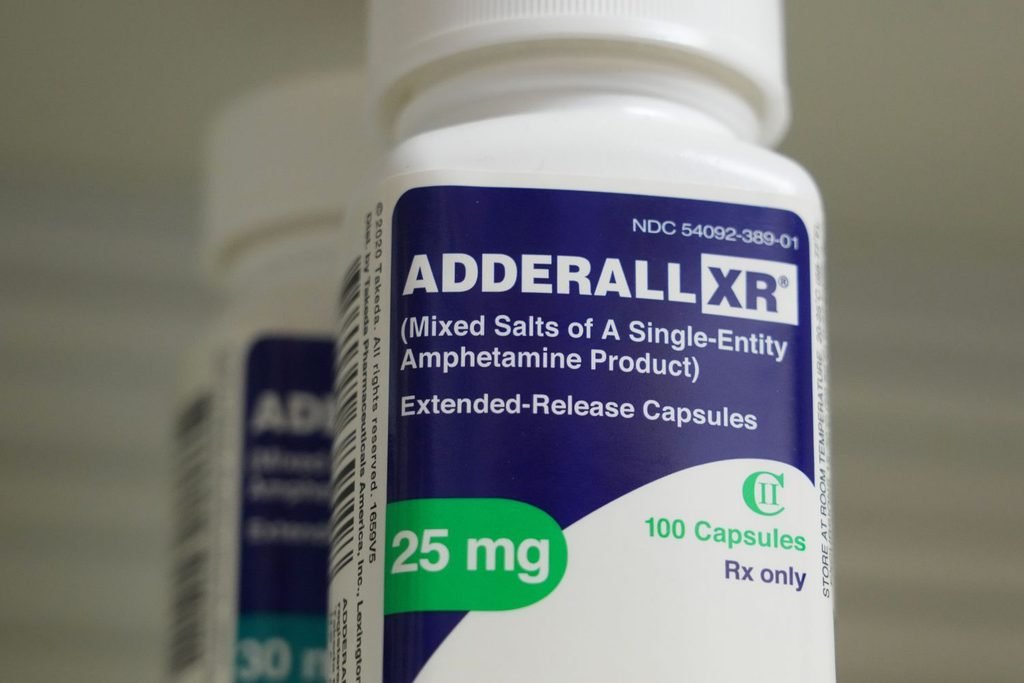
Amphetamine/dextroamphetamine is available in different formulations. Adderall is an immediate-release formulation, while Adderall XR is an extended-release formulation. Other amphetamine-based products have their own formulations, strengths, and prescribing information.
| Feature | Immediate-release | Extended-release |
|---|---|---|
| Duration | Generally shorter acting | Designed for longer coverage |
| Dosing pattern | May involve more than one dose depending on treatment | Commonly administered once daily |
| Purpose | Symptom management according to individual treatment plan | Longer-duration symptom management |
| Important consideration | Timing can affect symptom coverage and sleep | Extended-release products have specific administration instructions |
These formulations should not be considered automatically interchangeable. Patients should follow the directions for the specific product they have been given.
Common Adderall Side Effects
Like other medicines, amphetamine/dextroamphetamine can cause side effects. MedlinePlus lists several commonly reported effects, including:
- Nervousness
- Headache
- Dry mouth
- Nausea
- Constipation
- Diarrhea
- Weight loss
- Changes in sex drive or sexual function
Not everyone experiences these effects, and their severity can vary. A symptom that is persistent, severe, or concerning should be discussed with a healthcare professional.
What are the most common side effects of Adderall?
Common Adderall side effects can include nervousness, headache, dry mouth, gastrointestinal symptoms, decreased appetite or weight loss, and changes in sexual function. The actual response varies by person, formulation, and other health factors.
Serious Adderall Risks and Safety Concerns
Adderall and other prescription stimulants have important safety considerations.
The FDA warns that prescription stimulants can carry risks involving misuse, abuse, addiction, overdose, and death, particularly when they are not used appropriately.
MedlinePlus also warns that excessive use of amphetamine/dextroamphetamine can result in serious cardiovascular problems and potentially sudden death.
Serious symptoms requiring prompt medical attention can include:
- Chest pain
- Shortness of breath
- Fainting
- Seizures
- Significant mood or behavioral changes
- Hallucinations
- Severe agitation or confusion
- Signs of an allergic reaction
- Significant changes in heart rate
Anyone experiencing severe or potentially life-threatening symptoms should seek emergency medical assistance.
Cardiovascular considerations
Stimulant medications can affect heart rate and blood pressure. Certain people with serious heart conditions may face greater risks.
MedlinePlus warns about serious cardiovascular events in people with significant underlying heart problems and recommends immediate medical attention for symptoms such as chest pain, shortness of breath, or fainting.
This makes a person’s cardiovascular history an important part of medication safety.
Psychiatric and behavioral effects
Amphetamine/dextroamphetamine can also be associated with psychiatric or behavioral adverse effects. MedlinePlus lists symptoms such as severe agitation, hallucinations, unusual suspiciousness, depression, and mania among serious effects requiring medical attention.
These reactions are not the expected experience for most patients, but they illustrate why stimulant treatment requires appropriate monitoring.
Can Adderall Be Habit-Forming?
Yes. Amphetamine/dextroamphetamine can be habit-forming, and misuse can lead to serious health consequences.
MedlinePlus advises against taking a larger amount, taking the medicine more frequently, or using it for longer than directed. It also warns against selling or giving the medication to another person.
The FDA similarly emphasizes the risks of misuse, abuse, addiction, overdose, and death associated with prescription stimulants.
For this reason, Adderall should be used only according to the individual’s treatment instructions.
Adderall Drug Interactions
Amphetamine/dextroamphetamine can interact with other medications.
One particularly important interaction involves monoamine oxidase inhibitors (MAOIs). MedlinePlus advises patients to tell their healthcare professional if they are taking an MAOI or have stopped one within the previous two weeks.
Other medicines can also affect stimulant treatment or require additional monitoring.
Before starting or changing treatment, patients should provide a complete list of:
- Prescription medicines
- Over-the-counter medicines
- Vitamins
- Supplements
- Other substances they use
Never assume that a medication combination is safe simply because both products were previously tolerated individually.
Who Should Take Extra Precautions With Adderall?
Certain medical histories can make stimulant safety more complicated.
Patients should tell their healthcare professional about:
- Heart disease or serious heart problems
- High blood pressure
- Psychiatric conditions
- A history of substance misuse
- Current medications
- Previous reactions to stimulant medicines
- Pregnancy or plans for pregnancy
- Breastfeeding
- Significant changes in appetite or weight
MedlinePlus also notes specific precautions for older adults and explains that children taking stimulant medication may require monitoring of growth and weight.
These factors do not automatically mean someone cannot use a stimulant, but they demonstrate why treatment should be individualized.
Adderall and Adult ADHD in the United States
Adult ADHD has become an important U.S. healthcare topic.
CDC’s analysis of nationally representative 2023 data estimated that 15.5 million U.S. adults had current ADHD, with approximately 55.9% receiving their diagnosis at age 18 or older.
Among adults taking stimulant medication for ADHD, 71.5% reported difficulty obtaining their medication because it was unavailable during the previous 12 months.
These figures highlight two important issues: adult ADHD is common enough to represent a significant public-health concern, and access to ADHD medication can be challenging for some patients.
The statistics should not, however, be interpreted as evidence that every person with attention or concentration difficulties has ADHD or needs stimulant medication.
How Is ADHD Diagnosed in Adults?
ADHD diagnosis involves more than identifying occasional difficulty concentrating.
Healthcare professionals consider symptoms, developmental history, functional impairment, and other possible explanations for the person’s difficulties.
CDC notes that ADHD is a neurodevelopmental disorder that develops during childhood and can continue into adulthood. Diagnostic criteria require evidence of symptoms before age 12, although an individual may not receive a formal diagnosis until many years later.
This distinction is important for anyone researching adult ADHD diagnosis online. Difficulty concentrating can also occur with sleep problems, stress, depression, anxiety, medication effects, substance use, and other health conditions.
Adderall Safety: Important Practical Considerations
Safe use starts with following the individual’s treatment instructions.
Patients should:
- Take the medicine exactly as directed.
- Avoid taking more or taking it more frequently than instructed.
- Never share medication with another person.
- Store medication securely.
- Tell healthcare professionals about other medicines and supplements.
- Report significant or unusual symptoms.
- Follow instructions regarding missed doses.
- Avoid making major changes to treatment without professional guidance.
MedlinePlus specifically warns against taking more than directed and emphasizes secure storage because giving or selling amphetamine/dextroamphetamine to others can cause harm and is unlawful.
What Happens If an Adderall Dose Is Missed?
Instructions can vary by formulation.
For example, MedlinePlus advises that if a person misses a morning dose of an extended-release formulation, they should skip the missed dose and take the next dose at the regular time rather than taking a later or double dose.
Because immediate-release and extended-release products differ, the safest approach is to follow the specific instructions supplied for the product being used.
Frequently Asked Questions About Adderall
What is Adderall?
Adderall is a brand-name combination of amphetamine and dextroamphetamine. It is a CNS stimulant used as part of treatment programs for ADHD and is also used for narcolepsy.
Is Adderall a CNS stimulant?
Yes. Amphetamine/dextroamphetamine belongs to the central nervous system stimulant class.
What is Adderall used for?
Adderall is used primarily for ADHD and is also used for narcolepsy in appropriate patients. It should not be used simply to treat ordinary tiredness unrelated to narcolepsy.
What are common Adderall side effects?
Common effects can include nervousness, headache, dry mouth, nausea, gastrointestinal symptoms, weight loss, and changes in sexual function.
Can Adderall be habit-forming?
Yes. Amphetamine/dextroamphetamine can be habit-forming, particularly when misused. Taking more than directed can increase the risk of serious complications.
Can Adderall cause heart problems?
Stimulants can affect cardiovascular function. Serious cardiovascular events are an important safety concern, particularly for people with certain underlying heart conditions. Chest pain, shortness of breath, or fainting require immediate medical attention.
What is the difference between Adderall and Adderall XR?
Adderall is an immediate-release formulation, while Adderall XR is an extended-release formulation. Their dosing instructions and duration of action differ, so they should not be treated as automatically interchangeable.
Is Adderall used for narcolepsy?
Yes. Amphetamine/dextroamphetamine is used to treat narcolepsy, which can involve excessive daytime sleepiness and sudden sleep attacks.
Can Adderall interact with other medicines?
Yes. Amphetamine/dextroamphetamine can interact with other medicines, including MAO inhibitors. Patients should provide a complete medication list before starting treatment.
Key Takeaways
Adderall (amphetamine/dextroamphetamine) is a CNS stimulant medication used for ADHD and narcolepsy. Its benefits and risks should be considered as part of an individualized treatment plan.
The most important points are:
- Adderall contains amphetamine and dextroamphetamine.
- It is a central nervous system stimulant.
- It is used for ADHD and narcolepsy.
- Common adverse effects can include headache, nervousness, dry mouth, nausea, and weight loss.
- Misuse can lead to dependence, overdose, and serious health complications.
- Cardiovascular and psychiatric risks require appropriate attention.
- Drug interactions are possible, including important interactions with MAO inhibitors.
- U.S. adult ADHD data show a substantial diagnosed population and ongoing medication-access challenges.
- Medication should be used only according to individualized medical instructions.
For trustworthy medication information, patients should rely on current prescribing information, their healthcare professional, and authoritative U.S. health resources rather than online claims about obtaining or using stimulant medicines.
Sources and U.S. Health References
- MedlinePlus — Dextroamphetamine and Amphetamine: NIH MedlinePlus medication information
- CDC — Data on ADHD in Adults: CDC ADHD adult data
- CDC MMWR — ADHD Diagnosis, Treatment and Telehealth in U.S. Adults: CDC MMWR report
- FDA — Prescription Stimulant Safety Communication: FDA prescription stimulant safety information
Medical information disclaimer: This article is intended for general educational purposes and is not a substitute for individualized medical advice, diagnosis, or treatment. Medication decisions should be based on the current product information and guidance from a qualified healthcare professional.